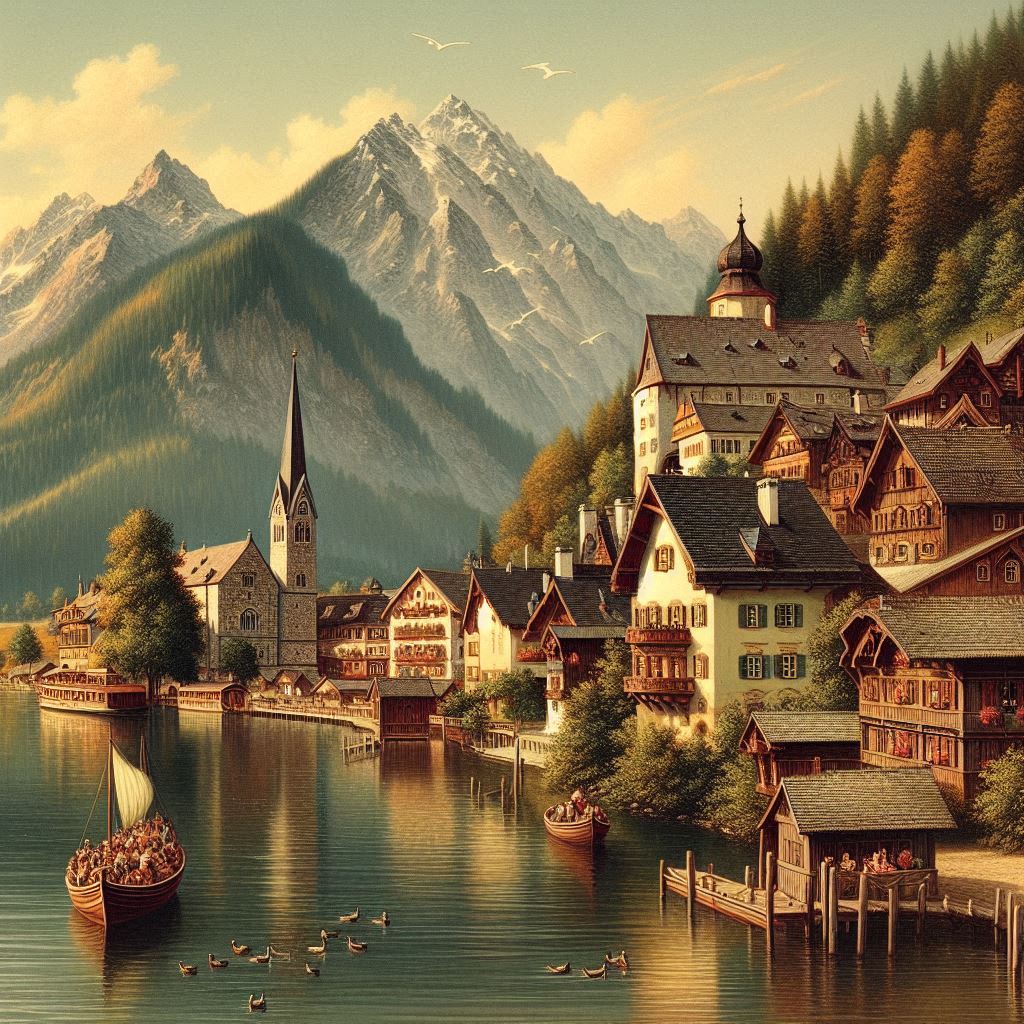
Bavaria, officially the Free State of Bavaria, is Germany’s largest state by land area, located in the southeastern part of the country. Known as Bayern in German, its capital is Munich, a city celebrated for its rich cultural heritage, historical landmarks, and globally renowned Oktoberfest. 🍺
This page features links derived from the Online Familienbücher (OFB) website (https://ofb.genealogy.net/). To make these links more navigable and user-friendly, I have taken the liberty of reorganizing and categorizing them. For updated details and additional resources, please visit the original website directly.
| Cities, Towns, Villages, and Hamlets | Locality Descriptions | OFB Links and Additional Resources |
|---|---|---|
| Ahornberg | Ahornberg, a village in Bavaria, Germany, is part of the municipality of Konradsreuth in the Hof district. First mentioned in 1323, it holds historical significance as one of the “Seven Free Villages.” | Local family database Ahornberg |
| Aletshausen | Aletshausen, a municipality in Bavaria’s Günzburg district, was first documented in 1316. Renowned for its historical connection to the Freiherren von Freyberg family, it boasts cultural landmarks like the Holy Cross Church and picturesque landscapes. | Local heritage book of Aletshausen |
| Bahra | Bahra is a small village in the municipality of Mellrichstadt, located in the Rhön-Grabfeld district of Bavaria, Germany. Nestled in the scenic Rhön region, it is surrounded by rolling hills and picturesque landscapes. Bahra is part of a historically rich area, with Mellrichstadt itself being first mentioned in the 8th century.1 | Local heritage book of Bahra |
| Bayreuth | Bayreuth, a city of global acclaim, is best known for hosting Richard Wagner’s renowned opera festival. Famous for its exquisite Baroque architecture, it is home to the Margravial Opera House, a UNESCO World Heritage site. With a rich history deeply intertwined with the arts and music, Bayreuth stands as a cultural treasure in Germany. | Local family database Bayreuth (Stadtkirche) |
| Brunn (Bronn) | Brunn, also known as Bronn, is a tranquil village with Slavic origins, its name highlighting early settlement patterns within Heiligenstadt. Historically, it played a significant role in the region’s rural development, contributing to its agricultural and cultural heritage. | Local heritage book of Heiligenstadt i.OFr. |
| Burggrub | Burggrub, a picturesque hamlet in Bavaria first mentioned in 1272, has roots in medieval settlement growth. Historically known as “Grube,” it was part of the Bishopric of Bamberg and granted to noble families like the von Schaumbergs. Its location near historic borders led to disputes, and its 12th-century church tower once served as a fortified refuge. Closely tied to Heiligenstadt, Burggrub played a key role in the region’s agricultural and religious traditions, highlighting its significance in the Fränkische Schweiz area. | Local heritage book of Heiligenstadt i.OFr. |
| Draisendorf | Draisendorf, also known as Traisendorf, is a village in the municipality of Regnitzlosau, located in the Hof district of Upper Franconia (Oberfranken), Bavaria, Germany. It is part of the Hochfranken region and is known for its rural charm and historical significance. The village features landmarks like the Erbschänke, a historic inn dating back to 1398, and a private motorcycle museum showcasing vintage bikes. | Local heritage book of Heiligenstadt i.OFr. |
| Eschau (Amt Wildenstein) | Eschau is a market community in the Miltenberg district of Lower Franconia (Unterfranken), Bavaria, Germany. Historically, it was part of the Amt Wildenstein, a lordship held by the Counts of Erbach. Eschau is situated in the scenic Spessart region, with the Elsava River flowing through its territory. | Local heritage book of Eschau (Amt Wildenstein) |
| Gößmannsberg | Gößmannsberg, also known as Jobstmannsberg, is a village in Bavaria, Germany, situated within the municipality of Wiesenttal in the Forchheim district. Its history is closely linked to Slavic settlement patterns. The village is celebrated for its picturesque landscapes, small-scale farming, and cultural importance in the Heiligenstadt region. | Local heritage book of Heiligenstadt i.OFr. |
| Greifenstein | Greifenstein, located in Bavaria’s Fränkische Schweiz region, is home to the historic Schloss Greifenstein, first mentioned in 1172. This castle, tied to the noble Schenk von Stauffenberg family since 1691, is a prominent feature of Heiligenstadt’s cultural landscape. Rebuilt in Baroque style after the Peasants’ War, it reflects the area’s medieval and aristocratic heritage. Today, Schloss Greifenstein is a key attraction along the Burgenstraße (Castle Road), showcasing its historical and architectural significance. | Local heritage book of Heiligenstadt i.OFr. |
| Heiligenstadt | Heiligenstadt, a historically rich region in Bavaria, Germany, is deeply influenced by medieval Slavic settlement patterns and early Christian roots. First mentioned in the 12th century, Heiligenstadt was granted market rights in 1541 under the patronage of the noble von Streitberg family. The Reformation reached the area in 1580, shaping its religious identity. The region is renowned for the Heiligenstadt Manor, which reflects its aristocratic heritage, and the Evangelical St.-Veit-und-St.-Michaels-Kirche, known for its Baroque artwork. Nestled in the Fränkische Schweiz area, Heiligenstadt is celebrated for its cultural significance, including Easter fountains and traditional Franconian architecture. | Local heritage book of Heiligenstadt i.OFr. |
| Hildenbach | Hildenbach is part of the Hochfranken region in northern Bavaria. It is a small village located in the Wunsiedel district, within the scenic Fichtel Mountains. | Local family database Hochfranken |
| Hochfranken | Hochfranken, a region in northern Bavaria, is renowned for its industrial legacy in textiles and porcelain. Today, it thrives as a center of innovation, with flourishing industries such as technical ceramics and automotive supply. | Local family database Hochfranken |
| Höchheim | Höchheim, a Bavarian village with roots dating back to 783, was first linked to the Milz monastery and later to the Reichskloster Fulda. Over time, it came under the Counts of Henneberg and faced destruction during regional conflicts, including the Thirty Years’ War. Notable landmarks include the rebuilt Kirchenburg and a synagogue established in 1798, reflecting its vibrant Jewish community and rich historical heritage. | Local heritage book of Höchheim |
| Höchstädt/Hoechstaedt | Höchstädt, a historic village in Bavaria’s Sechsämterland region, was first documented in 1316. It played a significant role in the area’s agricultural development during the Middle Ages, serving as a hub for farming innovations and trade. The village’s name reflects its elevated position, which provided strategic advantages for settlement and defense. Höchstädt was historically influenced by the Margraves of Brandenburg-Bayreuth, who governed the Sechsämterland region and established administrative systems that shaped its development. | Local family database Sechsämterland |
| Hohenberg an der Eger | Hohenberg an der Eger is a small town in the Wunsiedel district of Upper Franconia (Oberfranken), Bavaria, Germany. Located on the Eger River near the Czech border, it is part of the Hochfranken region and is known for its historical and cultural significance. The town is home to Hohenberg Castle, a medieval fortress that now houses a museum dedicated to porcelain.2 | Local family database Sechsämterland |
| Irmelshausen | Irmelshausen is a village in the municipality of Höchheim, located in the Rhön-Grabfeld district of Lower Franconia (Unterfranken), Bavaria, Germany. It is renowned for its picturesque setting and historical significance, particularly the Wasserschloss Irmelshausen, a moated castle that dates back to the Middle Ages. The village also features a late Gothic church with notable gravestones from the 16th and 17th centuries. Irmelshausen’s rich history includes ties to the Bibra family, who have been associated with the castle for centuries.3 | Local heritage book of Irmelshausen |
| Kleinheubach | Kleinheubach is a market community in the Miltenberg district of Lower Franconia (Unterfranken), Bavaria, Germany. Situated along the Main River, it lies between the Spessart and Odenwald mountain ranges, offering picturesque landscapes and a rich cultural heritage. The town is known for landmarks like Schloss Löwenstein, a Baroque palace built in the 18th century, and its historical Lutheran church. Kleinheubach also has ties to the Princes of Löwenstein-Wertheim-Rosenberg, who have resided there since 1720. | Local heritage book of Kleinheubach |
| Kühlgrün | Kühlgrün, a quaint hamlet in Oberfranken (Upper Franconia), Bavaria, Germany, is part of the municipality of Tröstau in the Wunsiedel district. Nestled within the picturesque Fichtel Mountains, Kühlgrün has historical roots tied to the region’s early settlement patterns. The area was historically influenced by the Margraves of Brandenburg-Bayreuth, who governed the Sechsämterland region, including Wunsiedel, during the Middle Ages. Kühlgrün’s proximity to ancient trade routes contributed to its development, and its surrounding forests and meadows have long supported traditional crafts and agriculture. | Local family database Hochfranken |
| Kulmbach | Kulmbach is a historic town in the Upper Franconia (Oberfranken) region of Bavaria, Germany. Known as the “secret capital of beer,” it is famous for its breweries and the annual Kulmbach Beer Week. The town is also home to the impressive Plassenburg Castle, which houses the world’s largest tin soldier museum. Situated at the confluence of the White Main and Red Main rivers, Kulmbach boasts a rich history, vibrant cultural scene, and picturesque landscapes.4 5 | Local heritage book of Kulmbach Local family database Hochfranken |
| Lanzendorf | Lanzendorf is part of the Hochfranken region in northern Bavaria. It is a village located near Himmelkron in the Kulmbach district, at the western edge of the Fichtel Mountains. Lanzendorf is known for its historical charm, including the Markgrafenkirche St. Gallus and the remnants of a medieval knight’s estate. | Local family database Hochfranken |
| Leidingshof (Laidenhof, Laidingshof) | Leidingshof is a hamlet with historical ties to rural development in Bavaria. Known for its quiet charm and role in medieval agricultural patterns. Features remnants of traditional architecture. | Local heritage book of Heiligenstadt i.OFr. |
| Leupoldsdorf | Leupoldsdorf is part of the Hochfranken region in northern Bavaria. It is a village in the municipality of Tröstau, located in the Wunsiedel district within the scenic Fichtel Mountains. | Local family database Hochfranken |
| Markersreuth b. Münchberg | Markersreuth is a district of the town of Münchberg in the Hof district of Bavaria, Germany. It is part of the Markersreuth district, which spans both Münchberg and Konradsreuth. | Local family database Ahornberg – List of individuals born in Markersreuth |
| Marktleuthen | Marktleuthen, a vibrant town in Bavaria’s Sechsämterland region, boasts a rich history shaped by its strategic location along important trade routes. Situated on the banks of the Eger River, the town played a key role in regional commerce during the Middle Ages, connecting Upper Franconia to neighboring regions. Marktleuthen is also renowned for its cultural influence, particularly in the production of porcelain, with the Winterling Porcelain Factory operating there from 1903 to 2010. | Local family database Sechsämterland |
| Mühlfeld/Muehlfeld | Mühlfeld is a quiet village with historical roots in early Bavarian agriculture. Known for its serene surroundings and traditional practices. Represents rural heritage in Bavaria. | Local heritage book of Mühlfeld |
| Neudorf | A picturesque locality historically linked to Heiligenstadt’s settlement growth. Known for its beautiful countryside and cultural traditions. Holds ancestral importance in Bavaria. | Local heritage book of Heiligenstadt i.OFr. |
| Oberharthausen | Oberharthausen is a rural village in Bavaria with historical significance in agriculture. Known for its traditional Bavarian festivals. Features stunning landscapes and local crafts. | Local heritage book of Oberharthausen |
| Oberleinleiter | Oberleinleiter is a village with deep roots in rural development. Historically significant for its role in Heiligenstadt’s growth. Surrounded by picturesque landscapes. | Local heritage book of Heiligenstadt i.OFr. |
| Oberröslau | Oberröslau is part of the Hochfranken region in northern Bavaria. It is a village in the municipality of Röslau, located in the Wunsiedel district within the scenic Fichtel Mountains. | Local family database Hochfranken |
| Reckendorf | Reckendorf is a tranquil village in Bavaria, Germany, renowned for its ties to early rural settlement patterns. It showcases Bavarian architectural heritage, with well-preserved structures that reflect the region’s traditional building styles. Historically, Reckendorf’s existence can be traced back to at least 855, and it has played a significant role in the cultural and economic development of the Heiligenstadt area. The village is also notable for its Jewish heritage, including a historic synagogue and cemetery, which highlight its diverse cultural past.6 | Local heritage book of Heiligenstadt i.OFr. |
| Reichau | Reichau is a small community with historical ties to medieval agriculture. Known for its pastoral charm and connection to Bavarian traditions. Offers insights into rural German history. | Local heritage book of Reichau |
| Reichenbach | Reichenbach is a municipality in the Kronach district of Upper Franconia (Oberfranken), Bavaria, Germany. Nestled in the Hochfranken region, it is known for its scenic landscapes and rural charm. | Local family database Hochfranken |
| Rothenstein | Rothenstein, a historic village in Bavaria, Germany, traces its origins to early Slavic settlement patterns, which were prominent in the region between the 6th and 12th centuries. These settlements were part of the broader migration and assimilation of West Slavic tribes, known as Wends, into northeastern Bavaria, an area historically referred to as Bavaria Slavica. Over time, the Slavic settlers integrated with the local Frankish and Bavarian populations, leaving a lasting cultural and historical imprint. Rothenstein, first mentioned in the 14th century, later became associated with the noble von Streitberg family, further enriching its medieval heritage. Today, the village reflects this layered history, blending its Slavic roots with its Franconian traditions and ties to Heiligenstadt. | Local heritage book of Heiligenstadt i.OFr. |
| Rothausen | Rothausen, with deep medieval roots, is celebrated for its ties to agriculture and rural craftsmanship. Its name, meaning “houses on the clearing,” reflects its origins as a settlement in the Grabfeld region. First mentioned in 855, it became part of the Fulda monastery and later the Bildhausen monastery in 1181. Over time, it was influenced by rulers like the Counts of Henneberg and the Ernestine Wettins. The Reformation in the 1560s shaped its religious identity, and the historic Gerichtslinde tree symbolizes its judicial past. | Local heritage book of Rothausen |
| Schirnding | Schirnding, a historic town located in Bavaria’s Sechsämterland region, is famed for its longstanding tradition of porcelain production. This charming town is also well-known for its rich history and vibrant cultural festivals. | Local family database Sechsämterland |
| Schönbrunn | Schönbrunn is a village in the Fichtel Mountains, part of the town of Wunsiedel in Upper Franconia (Oberfranken), Bavaria, Germany. Founded around 1200 as a small settlement near a castle, it has a rich history, with its oldest surviving building being the St. Peter Church, dating back to around 1200. Schönbrunn is known for its picturesque landscapes, small businesses, and rural charm. It became part of Wunsiedel in 1975. | Local family database Hochfranken |
| Sechsämterland | The Sechsämterland, or “Land of Six Offices,” is a historical region in northern Bavaria, Germany, located in the Fichtelgebirge area of Upper Franconia (Oberfranken). It was part of the Margraviate of Brandenburg-Bayreuth and derived its name from the six administrative districts (Ämter) it comprised: Hohenberg, Kirchenlamitz, Selb, Thierstein, Weißenstadt, and Wunsiedel. The region is rich in history, shaped by the Hohenzollern dynasty’s territorial expansion during the Middle Ages. It features picturesque landscapes, including rolling hills, forests, and the Fichtel Mountains. Today, the Sechsämterland corresponds largely to the modern Wunsiedel district. | Local family database Sechsämterland |
| Siegritz | Siegritz is a small village in Bavaria, Germany, located within the municipality of Heiligenstadt in Oberfranken, in the Bamberg district. Nestled in the scenic Fränkische Schweiz region, it is home to about 190 residents. Siegritz is situated near the villages of Leidingshof and Schulmühle, reflecting its close ties to the cultural and natural heritage of the area. | Local heritage book of Heiligenstadt i.OFr. |
| Sondheim im Grabfeld | Sondheim im Grabfeld is a village in the Rhön-Grabfeld district of Bavaria, Germany. It lies near the border with Thuringia and is part of the Verwaltungsgemeinschaft Ostheim vor der Rhön. First mentioned in 789, it has a rich history, including being an enclave of Saxe-Weimar until 1945.7 | Local heritage book of Sondheim in Grabfeld |
| Störnhof | Störnhof is a small village in Bavaria, Germany, located within the municipality of Wiesenttal in the Forchheim district. Situated in the Fränkische Schweiz (Franconian Switzerland) region, it lies at an elevation of 451 meters. Historically, Störnhof has been part of the cultural and natural heritage of the area, with its rural charm and scenic surroundings. The village is connected to Heiligenstadt through its shared Franconian traditions and landscapes. | Local heritage book of Heiligenstadt i.OFr. |
| Stücht/Stuecht | Stücht is a small village in Bavaria, Germany, located within the municipality of Heiligenstadt in Oberfranken. Situated in the Fränkische Schweiz region, it lies at an elevation of 466 meters. Historically, Stücht was associated with the noble von Stauffenberg family, who owned Schloss Greifenstein nearby. Stücht became part of Heiligenstadt in 1971. | Local heritage book of Heiligenstadt i.OFr. |
| Thiersheim | Thiersheim, a municipality in Bavaria, Germany, is situated in the district of Wunsiedel within the scenic Fichtel Mountains. Historically significant, it served as the seat of the noble Gravenreuth family for centuries. | Local family database Sechsämterland |
| Thierstein | Thierstein, a historic municipality in Bavaria’s Sechsämterland region, is rich in medieval heritage and Bavarian traditions. The town is home to the ruins of Thierstein Castle, built in the 14th century, which served as a strategic fortification for the Margraves of Brandenburg-Bayreuth. The castle played a key role in regional defense during the Middle Ages and remains a symbol of the area’s feudal history. Thierstein was also historically significant as part of the administrative and judicial system of the Sechsämterland, which comprised six districts under the Margraviate of Brandenburg-Bayreuth. | Local family database Sechsämterland |
| Traindorf | Traindorf is a small village in the municipality of Heiligenstadt in Oberfranken, located in the Bamberg district of Bavaria, Germany. Nestled in the Fränkische Schweiz (Franconian Switzerland) region, it lies just south of Heiligenstadt along the Leinleiter River. The village was first mentioned in historical records in 1340, when Fritz von Streitberg sold his property in “Dreundorf” to the St. Gangolf monastery in Bamberg. Traindorf has a rich history, including its connection to the von Streitberg family and its role in the region’s medieval landholdings. | Local heritage book of Heiligenstadt i.OFr. |
| Tröstau | Tröstau is a municipality in the Wunsiedel district of Upper Franconia (Oberfranken), Bavaria, Germany. Nestled in the scenic Fichtel Mountains, it is known for its natural beauty and outdoor activities, including hiking and cycling. | Local family database Hochfranken |
| Veilbronn | Veilbronn is a charming village in Bavaria, Germany, located within the municipality of Heiligenstadt in Oberfranken. Set in the scenic Leinleitertal valley, it is celebrated for its breathtaking landscapes, featuring striking Jura rock formations and numerous hiking trails. | Local heritage book of Heiligenstadt i.OFr. |
| Voigendorf | Voigendorf, a small village in Bavaria, Germany, is part of the municipality of Wiesenttal in the Forchheim district. First recorded in 1318 as “Vocchendorf,” it holds historical significance due to its ties to the Hochstift Bamberg. Additionally, its connection to Heiligenstadt reflects the intertwined cultural and historical heritage of the region within Franconian Switzerland. | Local heritage book of Heiligenstadt i.OFr. |
| Volkmannsreuth | Volkmannsreuth, a quaint village in Bavaria, Germany, is part of the municipality of Heiligenstadt in Oberfranken. First recorded in 1212, it is historically associated with the noble von Streitberg family. Nestled at an elevation of 434 meters, the village lies in the heart of the scenic Fränkische Schweiz region. | Local heritage book of Heiligenstadt i.OFr. |
| Weißenstadt | Weißenstadt is a charming town in the Wunsiedel district of Upper Franconia (Oberfranken), Bavaria, Germany. Nestled in the picturesque Fichtel Mountains, it is situated along the Ohře River and on the shores of the scenic Weißenstadter See (Weißenstadt Lake). Weißenstadt’s name, meaning “White City,” originates from its once-white church, which has weathered over time. | Local family database Hochfranken |
| Wunsiedel | Wunsiedel is a historic town in the Wunsiedel district of Upper Franconia (Oberfranken), Bavaria, Germany. Nestled in the Fichtel Mountains, it serves as the administrative center of the district. The town is part of the Hochfranken region, known for its industrial heritage and cultural significance. Historically, Wunsiedel was the capital of the Sechsämterland, a region comprising six administrative districts (or “Ämter”) during the era of the Margraviate of Brandenburg-Bayreuth.8 9 | Local family database Sechsämterland Local family database Hochfranken |
| Zoggendorf | Zoggendorf, also known as Zochendorf, is a small village in Bavaria, Germany. It belongs to the municipality of Heiligenstadt in Oberfranken. The village was first documented in 1163 and became part of Heiligenstadt in 1971.10 11 | Local heritage book of Heiligenstadt i.OFr. |
- https://en.wikipedia.org/wiki/Mellrichstadt ↩︎
- https://en.wikipedia.org/wiki/Hohenberg_an_der_Eger ↩︎
- https://en.wikipedia.org/wiki/Irmelshausen ↩︎
- https://en.wikipedia.org/wiki/Kulmbach ↩︎
- https://www.kulmbach.de/xist4c/web/Tourism_id_8884_.htm ↩︎
- https://en.wikipedia.org/wiki/Reckendorf ↩︎
- https://en.wikipedia.org/wiki/Sondheim_vor_der_Rh%C3%B6n ↩︎
- https://en.wikipedia.org/wiki/Wunsiedel ↩︎
- https://mapcarta.com/18787384 ↩︎
- https://de.wikipedia.org/wiki/Zoggendorf ↩︎
- https://www.heiligenstadt.de/ ↩︎
 OFB index