A Vibrant Metropolis Shaped by Its Residents
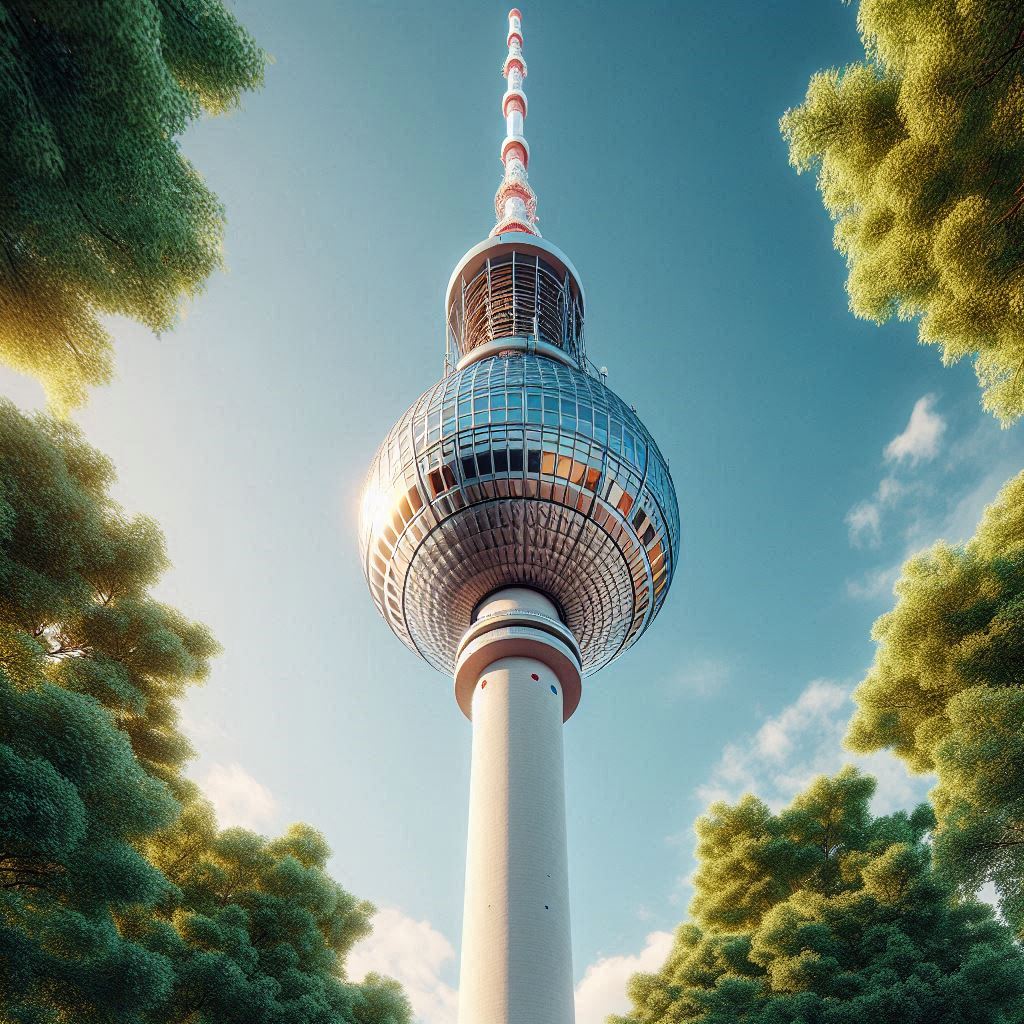
“Berlin, the newest city I have come across. Even Chicago would appear old and gray in comparison.” — Mark Twain
Mark Twain captures the vibrant essence of Berlin, a city that has always stood at the crossroads of innovation and resilience.
Berlin has always been a city like no other. Defined by its resilience, creativity, and dynamic energy, it stands as a testament to the enduring spirit of its people. From its humble beginnings as a small trading post to becoming a world-renowned cultural and political hub, Berlin’s story is one of reinvention, survival, and transformation.
Early Beginnings: The Birth of Berlin
Berlin traces its origins back to the 13th century, with its earliest mention dating to 1237. Initially a modest trading village along the River Spree, it grew as a key crossing point for trade routes. In 1307, the twin settlements of Berlin and Cölln united, laying the foundation for the Berlin we know today.
By 1415, the powerful Hohenzollern dynasty took control of the region, marking the beginning of an era that would see Berlin rise in importance. Under their rule, Berlin evolved into the capital of the Margraviate of Brandenburg and later the Kingdom of Prussia.
A Center of Power: The Prussian and Imperial Eras
Berlin’s prominence soared in the 18th and 19th centuries. As the capital of Prussia, it became the epicenter of military strength, cultural achievement, and enlightenment thought. Landmarks like the Brandenburg Gate were constructed during this period, symbolizing Berlin’s growing significance.
In 1871, Berlin was named the capital of the newly unified German Empire. The Industrial Revolution further transformed the city, bringing rapid urbanization and technological advancements. Berlin flourished as a modern metropolis, known for its bustling streets, vibrant nightlife, and booming arts scene.
Trial and Transformation: The 20th Century
The 20th century brought both devastation and renewal to Berlin. During World War II, the city suffered extensive destruction, with much of its historic architecture reduced to rubble. Following the war, Berlin became a focal point of the Cold War, symbolized by its division into East and West.
In 1961, the Berlin Wall was erected, physically and ideologically dividing the city. For nearly three decades, the Wall stood as a stark reminder of the tensions between democracy and communism. When it fell in 1989, it marked a moment of triumph and unity, paving the way for Berlin to become the vibrant capital of a reunified Germany.
Modern Berlin: A City of Resilience and Energy
Today, Berlin is celebrated for its diversity, creativity, and relentless energy. Its neighborhoods are a tapestry of cultures, from the historic grandeur of Mitte to the bohemian charm of Kreuzberg. The city’s art scene thrives, with street murals and avant-garde galleries coexisting alongside its world-class museums.
Berlin’s culinary landscape is just as eclectic, with everything from traditional German cuisine to international flavors reflecting its global character. The city’s dynamic spirit is on full display in its festivals, music events, and vibrant nightlife that attracts people from all corners of the world.
Berlin’s legacy invites us to delve into its layers, connecting the past with the present in a way that is uniquely its own. Whether you’re retracing your family’s footsteps or discovering the city’s history for the first time, Berlin offers a wealth of stories waiting to be told.
 OFB index