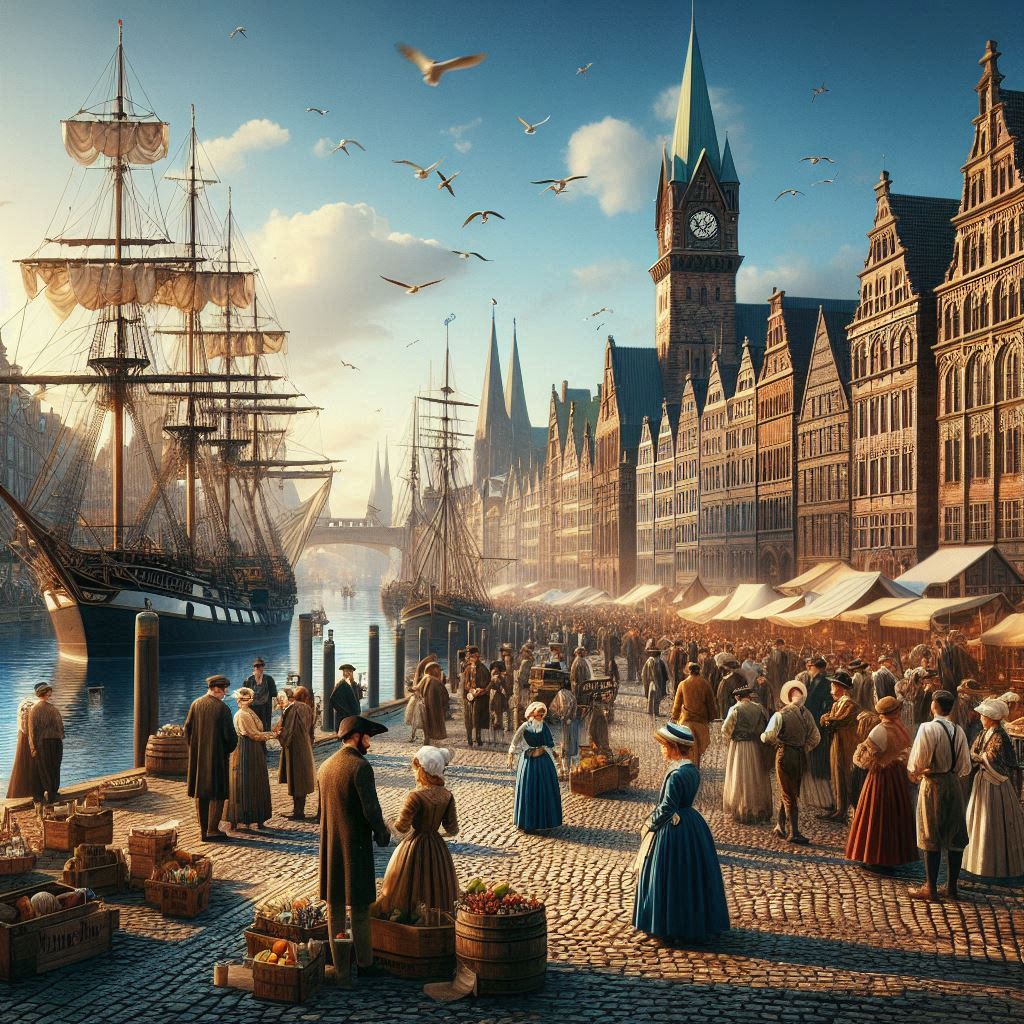
Bremen is one of Germany’s 16 federal states (Bundesländer) and comprises two cities: Bremen and Bremerhaven. It’s the smallest federal state by area and is located in northern Germany, along the Weser River.
This page features links derived from the Online Familienbücher (OFB) website (https://ofb.genealogy.net/). To make these links more navigable and user-friendly, I have taken the liberty of reorganizing and categorizing them. For updated details and additional resources, please visit the original website directly.
| Cities, Towns, Villages, and Hamlets | Locality Descriptions | OFB Links and Additional Resources |
|---|---|---|
| Arbergen | Arbergen is a district in the eastern part of Bremen, Germany, located within the borough of Osterholz. It is primarily a residential area, characterized by its suburban charm and green spaces. Historically, Arbergen was an independent village before being incorporated into the city of Bremen in the 20th century. | Local heritage book of Bremen-Arbergen |
| Arsten | Arsten, a historic locality in the Obervieland district of Bremen, Germany, dates back to the 12th century and was first mentioned in records in 1220. Originally an agricultural village, its fertile lands supported farming communities for centuries. Arsten became part of Bremen in 1939 during the city’s territorial expansion. | Local family database Obervieland |
| Blumenthal | Blumenthal, a historic district in Bremen, Germany, is situated in the northernmost part of the city along the Weser River. First documented in 1305, it is renowned for Burg Blomendal, a 14th-century moated castle and one of Bremen’s oldest surviving secular structures, showcasing the region’s medieval heritage. | Local heritage book of Bremen-Blumenthal (kath.) Local heritage book of Bremen-Blumenthal (ev.) |
Bremen | Bremen, a historic Hanseatic city in northern Germany, is celebrated for its UNESCO World Heritage sites, including the Gothic Town Hall and the Roland statue, both symbols of freedom and justice. Renowned as the setting of the beloved Bremen Town Musicians fairytale, the city combines enchanting charm with centuries of maritime heritage. Situated along the Weser River, Bremen’s legacy as a trading and cultural hub dates back to its foundation in 787. Today, it remains a vibrant city that bridges history and modernity with its cultural landmarks, innovative industries, and lively urban atmosphere. | Local heritage book of Bremen und Vegesack |
Bremerhaven | Bremerhaven is a vibrant port city in the northern part of Germany, located along the Weser River and the North Sea. Together with Bremen, it forms the federal state of Bremen (Freie Hansestadt Bremen), making it one of Germany’s unique two-city states. Historically founded in 1827 as a harbor for Bremen, Bremerhaven has become a hub for maritime trade and industry. | Local heritage book of Bremerhaven |
| Brokhuchting | Brokhuchting is a locality in the district of Huchting, located in the southwestern part of Bremen, Germany. It is primarily residential, offering a serene, suburban environment with a mix of green spaces and rural landscapes. | Local heritage book of Bremen-Huchting |
| Grohn | Grohn is a district in the northern part of Bremen, situated within the borough of Vegesack. It has historical significance as an area closely tied to Bremen’s maritime and industrial past. | Local heritage book of Bremen-Grohn |
| Grolland | Grolland is a district in the southwestern part of Bremen, Germany. | Local heritage book of Bremen-Huchting |
| Hemelingen | Hemelingen is a district in the eastern part of Bremen, known for its mix of industrial zones and residential areas. Historically, it was an independent town before being incorporated into Bremen in the early 20th century. | Local heritage book of Bremen-Hemelingen |
| Huchting | Huchting is a district in the southwestern part of Bremen, characterized by its suburban charm and close-knit community vibe. | Local heritage book of Bremen-Huchting |
| Kattenturm | Kattenturm is a locality within the Obervieland district of Bremen, Germany, situated on the southern side of the Weser River. Its name originates from a small fortification, first mentioned in 1390, which was part of Bremen’s defensive system along the Landwehr. Historically, Kattenturm was part of the Vieland area, cultivated through drainage and dike construction during the 12th and 13th centuries. In 1598, Vieland was divided into Obervieland and Niedervieland, with Kattenturm becoming a key part of Obervieland. | Local family database Obervieland |
| Kirchhuchting | Kirchhuchting is a locality within the Huchting district in Bremen, Germany. Kirchhuchting developed around a small church (Kirche), which gave the area its name and remains a central point of its community life. | Local heritage book of Bremen-Huchting |
| Lesum | Lesum, a historic district in Bremen, Germany, lies at the confluence of the Wümme and Hamme rivers, where they merge to form the Lesum River. First recorded in 860, Lesum has a long-standing historical significance and officially became part of Bremen in 1939, contributing to the city’s rich cultural and geographical heritage. | Local heritage book of Lesum und Bramstedt |
| Mahndorf | Mahndorf is a district in the eastern part of Bremen, Germany, located within the borough of Osterholz. Historically, Mahndorf was a rural village, with its roots tied to agriculture and farming. It was incorporated into Bremen in the 20th century. | Local heritage book of Bremen-Mahndorf |
| Mittelshuchting | Mittelshuchting, a historic district in Bremen, Germany, is part of the larger Huchting area on the western side of the Weser River. First documented in 1171, it was historically associated with the Prince-Archbishopric of Bremen. Incorporated into the city in 1945, Mittelshuchting continues to hold cultural importance within Bremen’s heritage. | Local heritage book of Bremen-Huchting |
| Neuenlande | Neuenlande, a neighborhood in Bremerhaven, Germany, is located within the district of Wulsdorf. Historically, it was a modest farming community, forming an integral part of the rural landscape that shaped the region’s development. | Local family database Obervieland |
| Obervieland | Obervieland, located in the southern part of Bremen, Germany, comprises localities such as Habenhausen, Kattenturm, Arsten, and Neustadt. Once a predominantly rural area centered on agriculture, Obervieland has evolved into a vibrant and diverse residential district while retaining its historical charm. | Local family database Obervieland |
Rablinghausen | Rablinghausen, a neighborhood in Bremen’s Woltmershausen district, lies near the Weser River and dates back to the 13th century. First mentioned in 1250 as “Ratteringhusen” or “Ratbringhusen,” it reflects early Saxon settlement patterns. Historically part of Niedervieland, its marshy terrain was transformed through drainage and dike construction for agriculture. Burned down during the Swedish siege of Bremen in 1666, it was rebuilt and retained its rural character until officially joining Bremen in 1921. | Local family database Obervieland |
| Strom | Strom, a small district in Bremen, Germany, is situated within the borough of Seehausen in the city’s southern region near the Weser River. Historically, Strom was part of the Vieland area, which was cultivated in the 12th and 13th centuries through extensive drainage and dike construction. This transformation allowed for agricultural development in the marshy terrain. The Vieland region was divided into Obervieland and Niedervieland in 1598, with Strom becoming part of Niedervieland. | Local family database Obervieland |
Vegesack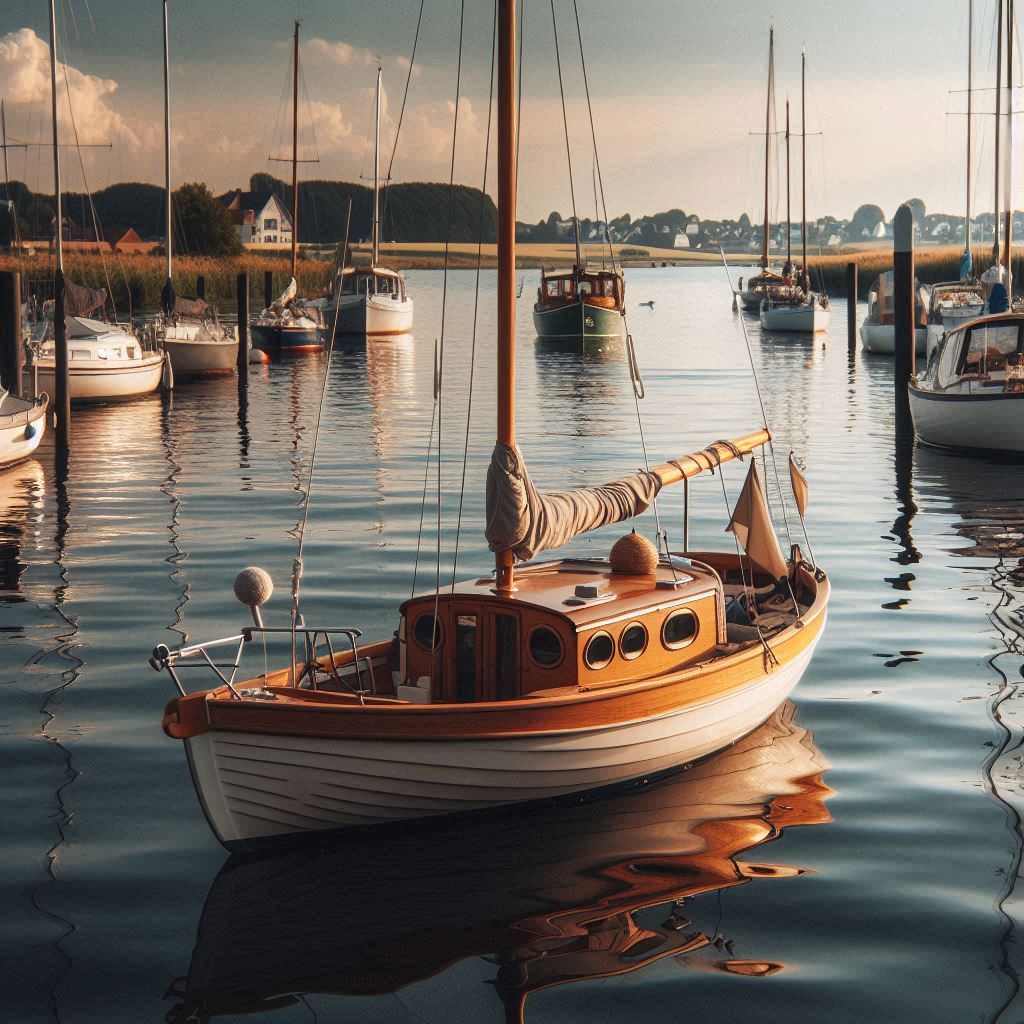 | Vegesack, a northern district of Bremen along the Weser River, is known for Germany’s first artificial harbor, built from 1619 to 1623 to support maritime trade. It played a key role in shipbuilding, fishing, and the development of Germany’s life-saving services in the 19th century. Historical landmarks like the Havenhaus and Evangelische Stadtkirche reflect Vegesack’s rich maritime heritage, which continues to shape its identity today. | Local heritage book of Bremen und Vegesack |
| Woltmershausen | Woltmershausen, often referred to as “Pusdorf” by locals, is a district in Bremen, Germany, located southwest of the city center along the Weser River. Historically, it developed as an industrial and working-class area, closely linked to Bremen’s shipping and dockyard activities. | Local family database Obervieland |
 OFB index