Hesse, officially the State of Hesse, is located in the central part of Germany and is known for its diverse landscape of forests, rivers, and bustling urban centers. Known as Hessen in German, its capital is Wiesbaden, while Frankfurt am Main serves as the state’s financial and cultural hub, famed for its skyline, historical sites, and vibrant fairs.
This page features links derived from the Online Familienbücher (OFB) website (https://ofb.genealogy.net/). To make these links more navigable and user-friendly, I have taken the liberty of reorganizing and categorizing them. For updated details and additional resources, please visit the original website directly.
| Cities, Towns, Villages, and Hamlets | Locality Descriptions | Online OFB Links |
|---|---|---|
| Affhöllerbach (Brensbach) | Affhöllerbach (Affhoellerbach), a small village in the northern Odenwald region of Hesse, Germany, is part of the municipality of Brensbach, located near the Gersprenz River. Its name originates from the Middle High German word “affolter,” meaning apple tree, reflecting its historical roots. First documented in 1450 as “Effolderbach,” the village became part of Brensbach during the Hessian territorial reform in the early 1970s, ensuring the preservation of its cultural heritage within the region.1 2 | Local heritage book of Affhöllerbach |
Airlenbach (Oberzent)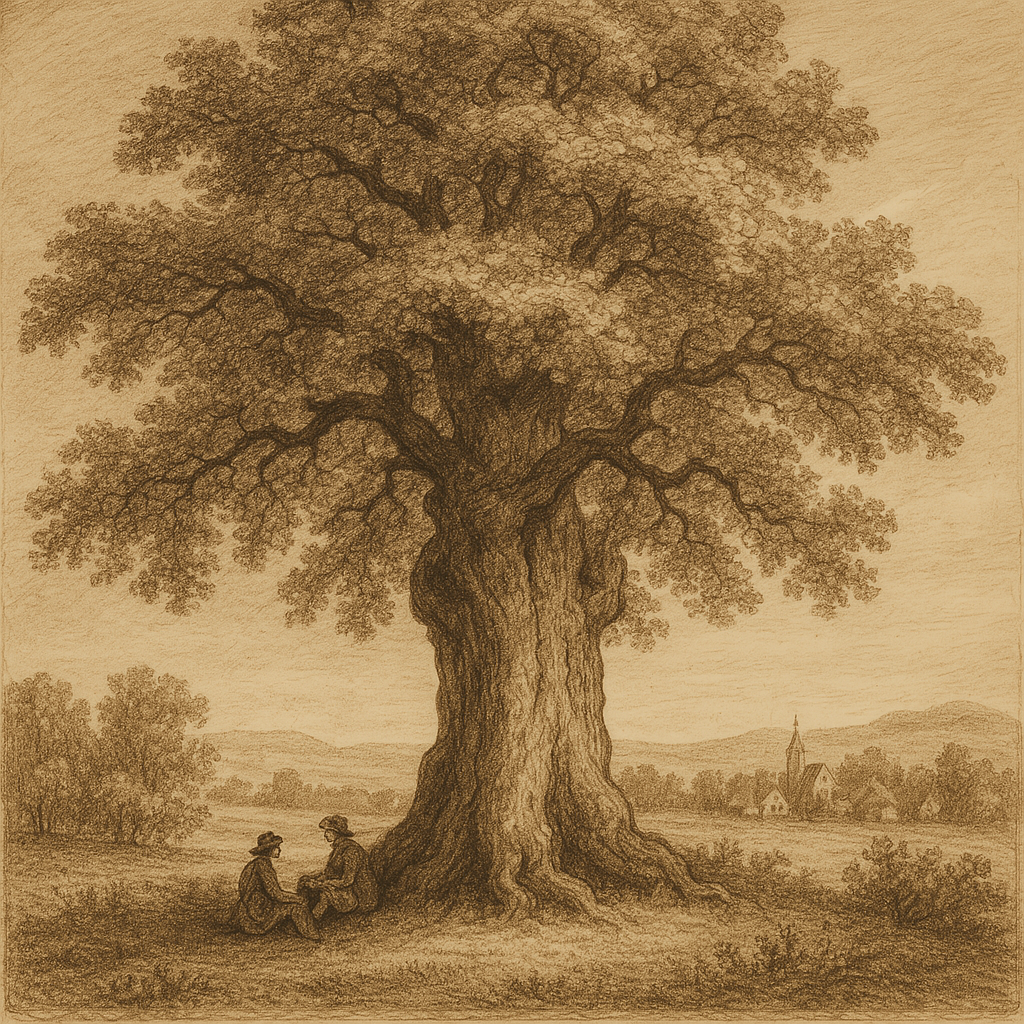 | Airlenbach, a picturesque village tucked away in the high valley of the Odenwald in Oberzent, Hesse, Germany, is steeped in agricultural tradition. It is best known for the “Dicke Eiche” (Thick Oak), a magnificent tree that has stood for more than 800 years, serving as a local landmark. In 2018, Airlenbach officially became part of Oberzent following a municipal reorganization.3 4 5 6 | Local heritage book of Airlenbach (Oberzent) |
| Albshausen (Rauschenberg) | Albshausen, a village in the Marburg-Biedenkopf district of Hesse, Germany, is part of the town of Rauschenberg. Nestled near the scenic Burgwald forest, it features a historic church with a Gothic core, which underwent reconstruction in the early 18th century. As part of the 1971 municipal reform, Albshausen was officially incorporated into Rauschenberg.7 | Local heritage book of Albshausen |
| Allertshofen (Modautal) | Allertshofen, a district of Modautal in Hesse, Germany, has a deep-rooted history, first documented in 1449. Known for its peaceful rural character, the village retains strong historical connections to the Neunkirchen parish, reflecting its lasting cultural heritage.8 | Local heritage book of Allertshofen (Modautal) |
| Alsbach | Alsbach, located in the Darmstadt-Dieburg district of Hesse, Germany, is part of the municipality of Alsbach-Hähnlein. Its origins date back to 779, as recorded in the Lorsch Codex.9 | Local heritage book of Alsbach |
| Alsfeld | Alsfeld, a historic town in the Vogelsbergkreis district of Hesse, Germany, is renowned for its medieval architecture, particularly its town hall, constructed between 1512 and 1516. The town’s origins date back to the early Middle Ages, with its first recorded mention in 1069. During the 14th and 15th centuries, Alsfeld thrived as a major trading hub, benefiting from its strategic position along key trade routes. Today, it remains a cultural landmark, known for its half-timbered houses and historical significance.10 | Local heritage book of Alsfeld |
| Altenbauna (Baunatal) | Altenbauna, a district of Baunatal in Hesse, Germany, evolved from a small village into an integral part of the town. First documented in the 14th century, its growth was influenced by its agricultural heritage and location along regional trade routes. Over time, Altenbauna expanded, officially merging with Baunatal during the mid-20th century, shaping its modern identity.11 12 | Local heritage book of Altenbauna Google Books: OFB Altenbauna – Ein Dorf im Wandel (in German) |
| Altenritte (Baunatal) | Altenritte, a district of Baunatal in Hesse, Germany, has a history dating back to the 14th century, when it was first recorded in historical documents. Initially an agricultural settlement, it grew over time, benefiting from its proximity to regional trade routes. The 20th century saw significant urban development, as Baunatal’s industrial expansion reshaped the area. Today, Altenritte retains elements of its historical identity while being integrated into the modern town structure.13 | Local heritage book of Altenritte |
| Amdorf (Herborn) | Amdorf, a small village in the Lahn-Dill-Kreis district of Hesse, Germany, is part of the town of Herborn. First documented in 1345, its name originates from the Ambach stream. The village is known for its historic combined school and chapel, built in 1834, which remains a defining feature of its landscape. Amdorf was historically linked to Nassau-Dillenburg and later became part of Hesse. It was incorporated into Herborn during the Hessian territorial reform in 1970. The village also had a mineral mill that processed Farberde (pigment earth) in the early 20th century, reflecting its industrial past.14 15 16 | Local heritage book of Herborn |
| Anspach | Anspach, located in the Hochtaunuskreis district of Hesse, Germany, is a district of Neu-Anspach with strong historical connections to the Taunus region. First documented in 1274, it has been an integral part of the area’s cultural and geographic heritage. The district is also home to the Hessenpark Open-Air Museum, which preserves traditional Hessian village life and architecture.17 18 19 | Local heritage book of Anspach |
| Asbach (Modautal) | Asbach, a district of Modautal in Hesse, Germany, is located in the Odenwald region. First recorded in 1331, it was historically part of the Kirchspiel Nieder-Modau, which shaped the area’s religious and cultural development during the Middle Ages. In 1902, Asbach was integrated into the newly established Kirchspiel Ernsthofen, marking a shift in its ecclesiastical ties.20 | Local heritage book of Asbach |
| Aßlar | Aßlar (Asslar), a town in the Lahn-Dill-Kreis district of Hesse, Germany, has a history dating back to 783, as documented in the Lorsch Codex. Located along the Lahn River, its strategic position played a key role in its early development as a trade and settlement hub. Over time, Aßlar expanded, incorporating surrounding communities and gaining town status in 1978.21 22 | Local heritage book of Aßlar |
| Auerbach (Bensheim) | Auerbach, a district of Bensheim in Hesse, Germany, is located along the Bergstraße, a region celebrated for its vineyards and scenic landscapes. First documented in the 13th century, Auerbach is home to the Auerbach Castle, a medieval fortress built by the Counts of Katzenelnbogen. The castle, strategically positioned atop the Urberg hill, played a crucial role in regional defense and trade routes. Today, it remains a popular historical site, offering panoramic views of the Rhine plain and hosting cultural events.23 | Local heritage book of Auerbach |
| Bad Orb | Bad Orb, a spa town in the Main-Kinzig-Kreis district of Hesse, Germany, is famous for its therapeutic salt springs and well-preserved timber-framed architecture. First documented in the early Middle Ages, it became a prominent health retreat in the 19th century, drawing visitors seeking its mineral-rich waters and picturesque landscapes. The town is also home to the historic Stadtmauer, remnants of a 13th-century defense wall, and the Toskana Therme, a modern spa facility offering brine baths.24 25 | Local heritage book of Bad Orb |
| Balsbach (Brombachtal) | Balsbach, a small settlement in the Odenwaldkreis district of Hesse, Germany, is part of the municipality of Brombachtal. First documented in the late Middle Ages, it has deep historical connections to the Kirchspiel Kirch-Brombach, which shaped the region’s religious and cultural life. The village was historically linked to the Herrschaft Breuberg before becoming part of Hesse in 1806.26 27 28 | Local heritage book of Balsbach |
| Bauernheim | Bauernheim, the smallest district of Friedberg in the Wetteraukreis district of Hesse, Germany, has a history dating back to medieval times. First documented in 778 as “Buramheim,” it was historically part of the Grafschaft Solms-Rödelheim before becoming part of Hesse in 1806. The village was officially incorporated into Friedberg on December 31, 1971, during the Hessian territorial reform.29 30 | Local heritage book of Ossenheim/Bauernheim |
| Baunatal | Baunatal, a town in the Kassel district of Hesse, Germany, emerged through the merger of several formerly independent municipalities, including Altenbauna, Altenritte, Kirchbauna, Großenritte, Hertingshausen, Rengershausen, and Guntershausen. Officially established in 1966, Baunatal developed rapidly, becoming a key center for industry and commerce, particularly due to its proximity to the Volkswagen factory, which significantly shaped its growth and economic landscape.31 32 | Local heritage book of Altenbauna Local heritage book of Altenritte |
| Bechlingen (Aßlar) | Bechlingen, a village in the Lahn-Dill-Kreis district of Hesse, Germany, is part of the town of Aßlar. First mentioned in records during the Middle Ages, Bechlingen has strong historical ties to the Kölschhausen parish, which shaped the village’s religious and cultural development. In 1977, it was incorporated into Aßlar as part of the Hessian territorial reform. | Local heritage book of Kölschhausen, Dreisbach, Niederlemp, Breitenbach and Bechlingen |
| Beedenkirchen (Lautertal) | Beedenkirchen, a district of Lautertal in Hesse, Germany, lies within the picturesque Odenwald region. First documented in 1012 in the historic Lorsch Codex, the village is renowned for its late Gothic Evangelical Church, constructed in 1477, which stands as a testament to its rich architectural and cultural heritage. | Local heritage book of Beedenkirchen |
| Beerfelden (Oberzent) | Beerfelden, a district of Oberzent in Hesse, Germany, is nestled in the scenic Odenwald region. First documented in 1032, Beerfelden is famous for its historic gallows, constructed during the medieval period and considered one of the best-preserved in Germany, reflecting its unique cultural and historical legacy. | Local heritage book of Beerfelden (Oberzent) |
| Bensheim | Bensheim, a town in the Bergstraße district of Hesse, Germany, is among the oldest settlements in the region, with its first mention dating back to 765 in the historic Lorsch Codex. Known for its thriving vineyards, Bensheim is also celebrated for its well-preserved medieval architecture, which reflects its rich historical and cultural legacy. | Local heritage book of Bensheim |
| Bieberau, Groß | Groß-Bieberau (Gross Bieberau), a town in the Darmstadt-Dieburg district of Hesse, Germany, has roots extending back to the 8th century, reflecting its long-standing historical significance. Closely associated with the nearby Lichtenberg Castle, the town played a key role in the region’s feudal history. | Local heritage book of Groß-Bieberau |
| Bieberau, Klein (Modautal) | Klein-Bieberau, a district of Modautal in Hesse, Germany, is a quaint village nestled in the picturesque Odenwald region. First documented in 1362, it is celebrated for its scenic setting in the Johannisbachtal, which has long contributed to its tranquil and idyllic charm. | Local heritage book of Klein-Bieberau (Modautal) |
| Bierbach (Brensbach) | Bierbach, a hamlet in the Odenwaldkreis district of Hesse, Germany, is part of the municipality of Brensbach. First documented in 1314, Bierbach holds historical ties to the Wersau parish, which shaped its cultural and religious identity in the medieval period. Its peaceful location and deep-rooted heritage contribute to its enduring charm. | Local heritage book of Bierbach |
| Billings (Fischbachtal) | Billings, a district of Fischbachtal in Hesse, Germany, is situated in the picturesque Odenwald region. First mentioned in the 8th century, Billings is renowned for its historic mills, which highlight its agricultural past. | Local heritage book of Billings |
| Bingenheim | Bingenheim, a village in the Wetteraukreis district of Hesse, Germany, is part of the municipality of Echzell. With a history deeply rooted in the medieval period, it is notably tied to Bingenheim Castle, which once played a central role in the region’s feudal and cultural development. | Local heritage book of Bingenheim |
| Birkert (Brombachtal) | Birkert, a district of Brombachtal in Hesse, Germany, is the northernmost part of the municipality. First documented in 1012, Birkert is admired for its charming location in the scenic Odenwald region, which has long contributed to its tranquil and rural appeal. | Local heritage book of Birkert |
| Bockenrod (Reichelsheim) | Bockenrod, a district of Reichelsheim in Hesse, Germany, is situated in the picturesque Gersprenz Valley. First documented in 1324, Bockenrod is now part of the Geo-Naturpark Bergstraße-Odenwald, a protected area celebrated for its natural beauty and ecological significance. | Local heritage book of Bockenrod |
| Böllstein (Brombachtal) | Böllstein (Boellstein), a district of Brombachtal in Hesse, Germany, is the highest village in the municipality. First documented in 1300, it is celebrated for its stunning location in the Böllsteiner Odenwald, a region known for its captivating landscapes and natural beauty. The area is home to the Böllsteiner Gneis, one of the oldest rock formations in the Odenwald, which serves as a geological landmark and a memorial site. Böllstein lies at an elevation of 400 meters, with the Böllsteiner Höhe reaching 416 meters, offering panoramic views across the Rhein-Main region.33 | Local heritage book of Böllstein |
| Bonbaden (Braunfels) | Bonbaden, a district of Braunfels in Hesse, Germany, is among the region’s oldest settlements, with its first mention dating back to 772. Renowned for its rich history, Bonbaden is home to a historic Evangelical Church that stands as a testament to its cultural and architectural heritage. | Local heritage book of Bonbaden |
| Brandau (Modautal) | Brandau, a district of Modautal in Hesse, Germany, is the largest village within the municipality. First documented in 1346, Brandau is situated along the upper Modau River, a feature that has influenced its development and scenic charm over the centuries. | Local heritage book of Bonbaden |
| Breitenbach (Schauenburg) | Breitenbach, a district of Schauenburg in Hesse, Germany, is situated within the scenic Habichtswald Nature Park. First recorded in 1408, Breitenbach is notable for its Romanesque church tower, which stands as a striking symbol of its historical and architectural heritage. | Local heritage book of Breitenbach |
| Breitenbach (Kölschhausen) | Breitenbach, a village in the Lahn-Dill-Kreis district of Hesse, Germany, is part of the municipality of Ehringshausen. First mentioned in medieval records, Breitenbach has historical ties to the Kölschhausen parish, which influenced its cultural and religious development. In 1977, Breitenbach was integrated into Ehringshausen as part of the Hessian territorial reform. | Local heritage book of Kölschhausen, Dreisbach, Niederlemp, Breitenbach and Bechlingen |
| Brensbach (Odenwaldkreis) | Brensbach, a municipality in the Odenwaldkreis district of Hesse, Germany, is nestled in the picturesque Gersprenz Valley. First documented in the 13th century, Brensbach is renowned for its late Gothic church, which reflects its rich architectural heritage. | Local heritage book of Brensbach |
| Bullau (Erbach) | Bullau, a district of Erbach in Hesse, Germany, is the highest settlement in the Odenwaldkreis district, perched at over 500 meters above sea level. First documented in 1095 as “Buolaha”, it has a rich history linked to agriculture and the Michelstadt parish, both of which have shaped its cultural and economic development over the centuries. Bullau lies within the Granitgebiet des Odenwaldes, offering scenic landscapes and historical significance. The village is also home to the Kohlberg, the highest elevation in the Odenwaldkreis, reaching 560 meters. On February 1, 1972, Bullau was officially incorporated into Erbach during the Hessian territorial reform.34 35 | Local heritage book of Bullau |
| Burg (Herborn) | Burg, a district of Herborn in the Lahn-Dill-Kreis district of Hesse, Germany, has medieval origins and was historically tied to the Herborn parish. Its name suggests the presence of a former stronghold, and its location along trade routes contributed to its significance. Proximity to the Herborn Academy, founded in 1584, further enriched its cultural and educational heritage. | Local heritage book of Herborn |
| Burg-Gräfenrode (Karben) | Burg-Gräfenrode, a village in the Wetteraukreis district of Hesse, Germany, is part of the municipality of Karben. First mentioned in medieval records, the village has a rich history reflected in its local chronicles. Historically, it was shaped by its agricultural roots and its connection to regional trade routes. The village is known for its distinctive half-timbered architecture, which has been preserved over centuries, standing as a testament to its cultural and architectural legacy. Burg-Gräfenrode was officially incorporated into Karben on December 31, 1971, during the Hessian territorial reform.36 37 | Local heritage book of Burg-Gräfenrode |
Darmstadt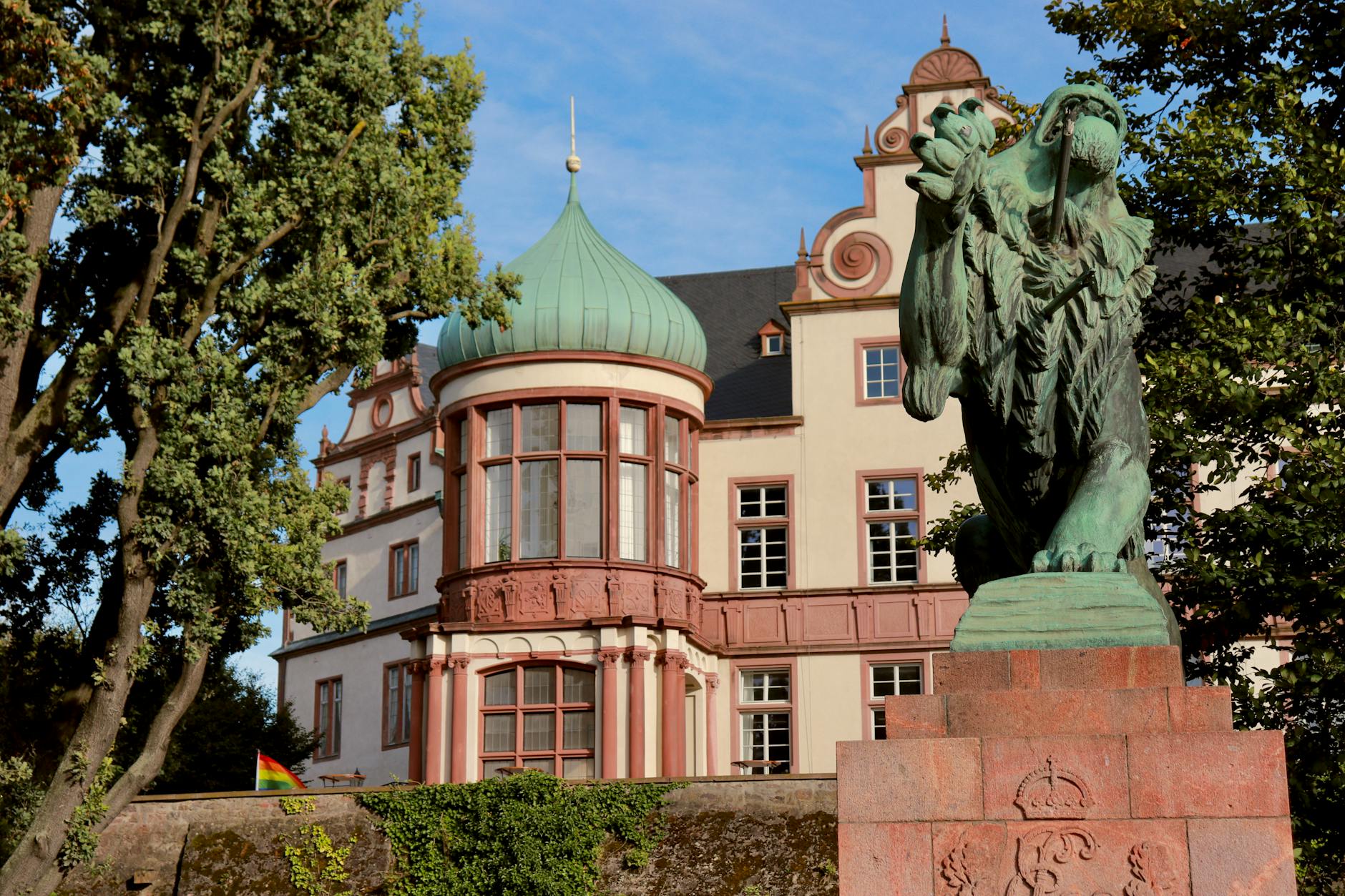 | Darmstadt, a city in Hesse, Germany, boasts a rich history dating back to the 11th century. Renowned for its scientific advancements and cultural heritage, it has earned the title “City of Science.” Over centuries, Darmstadt played a pivotal role in shaping innovation, particularly in the fields of chemistry and engineering. The city is also home to Mathildenhöhe, a UNESCO World Heritage Site celebrated for its stunning Art Nouveau architecture and its legacy as a hub for artistic and cultural expression. | Local heritage book of Darmstadt |
| Dieburg | Dieburg, a town in the Darmstadt-Dieburg district of Hesse, Germany, has a history that dates back to 1492, when it was first officially documented. Renowned for its medieval architecture, the town features enduring remnants of its city walls, which once served as fortifications. The St. Peter and Paul Church, a notable landmark, stands as a testament to Dieburg’s rich religious and architectural heritage, contributing to its historical charm. | Local heritage book of Dieburg |
| Dillheim | Dillheim, a village in the Lahn-Dill-Kreis district of Hesse, Germany, is part of the municipality of Ehringshausen. First mentioned in 1226, Dillheim holds historical significance as a prominent church center in the Dill Valley, reflecting its deep religious and cultural roots in the region’s medieval history. | Local heritage book of Dillheim |
| Dilshofen (Reinheim) | Dilshofen, a district of Reinheim in Hesse, Germany, was first documented in 1338. Renowned for its agricultural heritage, Dilshofen historically shared strong ties with the Kirchspiel Georgenhausen, a parish that played a key role in shaping the village’s cultural and economic identity over the centuries. | Local heritage book of Dilshofen |
| Dorlar (Lahnau) | Dorlar, a district of Lahnau in Hesse, Germany, is situated in the scenic Lahn Valley. First mentioned in 771, Dorlar holds historical significance as one of the earliest settlements in the region. It is renowned for its Romanesque church tower, a striking remnant of its medieval architecture, and its historical connections to the Kirchspiel Waldgirmes, which played a key role in shaping the area’s cultural and religious heritage. | Local heritage book of Lahnau |
| Dornburg | Dornburg is a municipality in the Limburg-Weilburg district of Hesse, Germany. It lies in the Westerwald region, bordering communities in Rhineland-Palatinate. The town consists of five districts: Frickhofen, Langendernbach, Dorndorf, Thalheim, and Wilsenroth. Historically, Dornburg is known for its Celtic ringwall site from the La Tène period (5th to 1st century BC), which suggests it was once home to a town-like Celtic settlement. The Blasiusberg, a hill in the area, was originally a pagan worship site before later becoming a Christian chapel.38 | No OFB yet, but check out the Reichwein family from Dornburg, Hessen, with roots dating back to the late 15th century. The book is available on Bookemon, where you can access a free preview: The Dornburg Reichwein Sippenbuch. |
| Dornholzhausen (Bad Homburg) | Dornholzhausen, a district of Bad Homburg in Hesse, Germany, became part of the city during the administrative reorganization in 1972. It has notable historical ties to the Waldenser (Waldensian) refugees, who settled there in 1699 after fleeing religious persecution. Their arrival left a lasting cultural impact on the area, reflected in its traditions and historical identity. The district still preserves elements of its Waldensian heritage, including French-language inscriptions on old gravestones and historical church records.39 | Local heritage book of Dornholzhausen |
| Dreisbach | Dreisbach, a village in the Lahn-Dill-Kreis district of Hesse, Germany, is part of the municipality of Ehringshausen. First mentioned in 1345, Dreisbach has historical ties to the Kölschhausen parish, which shaped its religious and cultural identity during the medieval period. The village’s enduring connection to the parish highlights its significance in the region’s historical development. | Local heritage book of Kölschhausen, Dreisbach, Niederlemp, Breitenbach and Bechlingen |
| Eberbach (Reichelsheim) | Eberbach, a district of Reichelsheim in Hesse, Germany, is located in the scenic Gersprenz Valley. First documented in 1012, it is historically notable for its proximity to Rodenstein Castle, a medieval fortress that has long been a symbol of the region’s heritage. This connection highlights Eberbach’s role in the area’s feudal and cultural history. | Local heritage book of Eberbach |
| Ebersberg (Erbach) | Ebersberg, a district of Erbach in Hesse, Germany, lies within the picturesque Mümlingtal valley. First mentioned in 1398, Ebersberg is celebrated for its scenic landscapes and its historical landmarks, including the Himbächelviadukt. This impressive railway viaduct stands as a testament to the region’s architectural and engineering heritage, adding to Ebersberg’s historical charm. | Local heritage book of Ebersberg, Schönnen, Lauerbach |
| Edingen | Edingen, a village in Hesse, Germany, is part of the municipality of Neckarsteinach. With a history dating back to the 14th century, Edingen is steeped in medieval heritage and shaped by its prime location along the Neckar River. This picturesque setting not only enhances its natural beauty but also historically facilitated trade and cultural exchanges. | Local heritage book of Edingen |
| Ehringshausen (Gemünden Felda) | Ehringshausen is a district of Gemünden (Felda), located in the Vogelsbergkreis district of Hesse, Germany. First mentioned in 1244, it is home to the Michaeliskirche, a 15th-century church that reflects its medieval architectural heritage. | Local heritage book of Ehringshausen |
| Ellenbach (Fürth) | A district of Fürth in the Odenwald region of Hesse, Ellenbach was first mentioned in 1359. It served as a center for local administration in the 18th century and is known for its historical ties to the Kurpfalz. | Local heritage book of Ellenbach |
| Elmshausen | A district of Lautertal in Hesse, Elmshausen is located in the Lauter Valley. It was first mentioned in the 14th century and is known for its picturesque surroundings and historical ties to the Kirchspiel Reichenbach. | Local heritage book of Elmshausen |
| Elsbach (Erbach) | A small settlement in the Odenwaldkreis district of Hesse, Elsbach is part of the municipality of Erbach. It has historical ties to the Günterfürst parish and was first mentioned in the 14th century. | Local heritage book of Günterfürst, Haisterbach, Elsbach |
| Erbach (Odenwald) | A town in the Odenwaldkreis district of Hesse, Erbach is known for its historic Erbach Castle and its role as a center of ivory carving. It was first mentioned in 1095. | Local heritage book of Erbach (Odenwald) |
| Erlau (Fränkisch-Crumbach) | A hamlet in the Odenwaldkreis district of Hesse, Erlau is part of the municipality of Fränkisch-Crumbach. It was first mentioned in 1347 and has historical ties to the Rodenstein family. | Local heritage book of Erlau |
| Erlenbach (Fürth) | A district of Fürth in the Odenwald region of Hesse, Erlenbach was first mentioned in 1094. It was historically part of the Kurpfalz and is known for its agricultural heritage. | Local heritage book of Erlenbach (Fürth) |
| Ernsthofen | A district of Modautal in Hesse, Ernsthofen is located in the Odenwald region. It was first mentioned in the 14th century and is known for its scenic landscapes and historical ties to the Kirchspiel Neunkirchen. | Local heritage book of Ernsthofen |
| Erzbach (Reichelsheim) | A district of Reichelsheim in Hesse, Erzbach was first mentioned in 1324. It is known for its historical ties to the Reichenberg Castle and its picturesque location in the Odenwald. | Local heritage book of Erzbach |
| Etzean (Oberzent) | A district of Oberzent in Hesse, Etzean is located on a high plateau in the Odenwald. It was first mentioned in 1364 and is known for its historical ties to the Waldschmiede (forest blacksmiths). | Ortsfamilienbuch Hetzbach with Etzean |
| Eulsbach (Lindenfels) | A district of Lindenfels in Hesse, Eulsbach was first mentioned in 1398. It was historically part of the Kurpfalz and is known for its rural charm and agricultural heritage. | Local heritage book of Eulsbach |
| Falken-Gesäß (Oberzent) | A district of Oberzent in Hesse, Falken-Gesäß was first mentioned in 1321. It is known for its historical ties to the Leonhardshof and its scenic location in the Finkenbachtal. | Local heritage book of Falken-Gesäß |
| Fauerbach (Friedberg) | A district of Friedberg in Hesse, Germany, Fauerbach was historically a Lutheran-Evangelical village. It became part of Friedberg in 1901 and is known for its ties to Solms-Rödelsheim. | Local heritage book of Fauerbach (Friedberg) |
| Felda, Groß | A village in the Vogelsbergkreis district of Hesse, Groß-Felda (Gross Felda) is part of the municipality of Feldatal. It has historical ties to the Kirchspiel Groß-und Klein Felda and was first mentioned in 1296. | Local family database for the parish of Groß- and Klein-Felda, Kestrich, Windhausen, and Schellnhausen. |
| Felda, Klein | A neighboring village to Groß-Felda, Klein-Felda is also part of Feldatal. It shares a similar historical background and is known for its agricultural heritage. | Local family database for the parish of Groß- and Klein-Felda, Kestrich, Windhausen, and Schellnhausen. |
| Finkenbach (Oberzent) | A district of Oberzent in Hesse, Finkenbach is located in the Finkenbachtal. It was first mentioned in 1321 and is known for its scenic landscapes and historical ties to the Leonhardshof. | Local heritage book of Finkenbach |
| Frankenhausen (Mühltal) | A district of Mühltal in Hesse, Frankenhausen was first mentioned in 1318. It is known for its historical ties to the Kirchspiel Nieder-Ramstadt and its picturesque location in the Modautal. | Local heritage book of Frankenhausen (Mühltal) |
| Fränkisch-Crumbach | A municipality in the Odenwaldkreis district of Hesse, Fränkisch-Crumbach was first mentioned in 795. It is known for its ties to the Rodenstein family and its historic castle ruins. | Local heritage book of Fränkisch-Crumbach |
| Friedberg (Hesse) | Friedberg is a town in the Wetteraukreis district of Hesse, Germany, located about 30 km north of Frankfurt am Main. Originally refounded by the Hohenstaufen dynasty, it gained status as a Free Imperial City in 1211. The town was known for its annual trading fair, which initially rivaled Frankfurt’s economy. However, ongoing tensions between the city and Friedberg Castle, a fortress controlled by independent nobility, led to periodic conflicts, including the castle’s ransacking by citizens. Today, Friedberg preserves its medieval heritage through landmarks like Friedberg Castle, which once housed a republic of twelve knightly families. The town also features the Wetterau-Museum and the Elvis Presley Memorial, honoring the singer’s time stationed there during his military service. | Local heritage book of Friedberg (Hessen) |
| Frohnhofen (Reichelsheim) | Frohnhofen is a district of Reichelsheim, located in the Odenwaldkreis district of Hesse, Germany. First mentioned in 1307, it was historically part of the Grafschaft Erbach before becoming part of the Grand Duchy of Hesse in 1806. It was incorporated into Reichelsheim on February 1, 1971. | Local heritage book of Frohnhofen |
| Gadernheim (Lautertal) | Gadernheim is a district of Lautertal, located in the Bergstraße district of Hesse, Germany. First mentioned in 1367, it was historically part of the Mark Heppenheim, which Charlemagne granted to the Reichskloster Lorsch in 773. After the monastery’s decline, the area came under the control of the Pfalzgrafen and later the Counts of Erbach. The village lies in the Vorderer Odenwald, near the Neunkircher Höhe, the highest elevation in the Hessian Odenwald. It was incorporated into Lautertal on December 31, 1971. | Local heritage book of Gadernheim |
| Gammelsbach (Oberzent) | Gammelsbach is a district of Oberzent, located in the Odenwald region of Hesse, Germany. First mentioned in 795, it was later associated with Reichskloster Lorsch and controlled by the Schenken von Erbach by 1200. Burg Freienstein, built in the 12th century, served as a fortified border post. During the Thirty Years’ War, the village had ironworks, later shifting to stone quarrying and linen weaving. It was incorporated into Beerfelden in 1971 and became part of Oberzent in 2018. | Local heritage book of Gammelsbach |
| Georgenhausen (Reinheim) | Georgenhausen, a district of Reinheim in Hesse, Germany, is located near the Gersprenz River. First mentioned in 1250, it has historical ties to the Rodenstein family, who were instrumental in establishing its church. Georgenhausen was part of the Dieburger Mark, a communal forest area shared by neighboring villages until 1812. | Local heritage book of Georgenhausen |
| Gersprenz (Reichelsheim) | Gersprenz is a district of Reichelsheim, located in the Odenwaldkreis district of Hesse, Germany. First mentioned in 1012 as “Gaspenza,” the village was historically part of the Grafschaft Erbach and later became part of the Grand Duchy of Hesse in 1806. Gersprenz consisted of Ober-Gersprenz and Unter-Gersprenz, with the Hutzwiese settlement added later. Gersprenz was incorporated into Beerfurth on February 1, 1971, and later became part of Reichelsheim on August 1, 1972. | Local heritage book of Gersprenz |
| Gießen | Gießen, a city in Hesse, Germany, is renowned for its Justus Liebig University, founded in 1607. Divided by the Lahn River, it hosts landmarks like the Schiffenberg Monastery, Mathematikum, and Germany’s oldest botanical garden in its original location, established in 1609. Rebuilt after heavy bombing in World War II, Gießen thrives as a cultural and educational center. | Local heritage book of Gießen |
| Glattbach (Lindenfels) | Glattbach, a district of Lindenfels in Hesse, Germany, is nestled in the scenic Odenwald region. First mentioned in 1398, it is celebrated for its rural charm and its historical connections to the Kirchspiel Schlierbach, a parish that played a significant role in the area’s cultural and religious development. | Local heritage book of Glattbach |
| Grasellenbach | Grasellenbach, a municipality in the Bergstraße district of Hesse, Germany, is nestled in the picturesque Odenwald region. First documented in 795, it boasts a rich history and is celebrated for its scenic landscapes. Among its historical landmarks is the Evangelische Kirche Hammelbach, a protected church building that belongs to the Evangelische Kirche in Hessen und Nassau. 40 | Local heritage book of Hammelbach und Grasellenbach |
| Greifenstein | Greifenstein, a municipality in the Lahn-Dill-Kreis district of Hesse, Germany, is famed for its medieval castle, Burg Greifenstein, a landmark dating back to the 13th century. The castle, perched atop a hill, houses a bell museum showcasing an extensive collection of historic bells. | Local heritage book of Greifenstein |
| Gronau (Bad Vilbel) | Gronau, a district of Bad Vilbel in Hesse, Germany, lies along the scenic Nidda River. First documented in 786, it is notable for its rich historical connections to the Wetterau region and its charming natural landscapes. | Local heritage book of Gronau (Bad Vilbel) |
| Gronau (Bensheim) | Gronau, a district of Bensheim in Hesse, Germany, is nestled in the Odenwald region and was first recorded in 1395. Renowned for its vineyards and the St. Anna Church, a historical landmark, it embodies a rich cultural and agricultural heritage amid picturesque surroundings. | Local heritage book of Gronau |
| Gumpen, Groß (Reichelsheim) | Groß-Gumpen is a village in the Odenwaldkreis district of Hesse, Germany, and is part of the municipality of Reichelsheim. Historically, it was first mentioned in 1357 and was part of the Amt Reichenberg under the Grafschaft Erbach. The village is located along the Mergbach, a tributary of the Gersprenz River, and is surrounded by the scenic landscapes of the Odenwald. In 1968, Groß-Gumpen merged with Ober-Klein-Gumpen to form the community of Gumpen, which later became part of Reichelsheim in 1971. | Local heritage book of Gumpen (Reichelsheim) |
| Gumpen, Klein (Reichelsheim) | Klein-Gumpen, a village in the Odenwaldkreis district of Hesse, Germany, is part of the municipality of Reichelsheim. First mentioned in 1321, it was historically known by various names, including “Niedergumpen” and “Zum Gumpen.” The village was part of the Amt Reichenberg under the Grafschaft Erbach and later came under the jurisdiction of the Grand Duchy of Hesse in 1806. Located along the Mergbach, a tributary of the Gersprenz River, Klein-Gumpen is surrounded by the scenic landscapes of the Odenwald. Klein-Gumpen became part of Reichelsheim during the Hessian territorial reform in 1971. | Local heritage book of Gumpen (Reichelsheim) |
| Gumpersberg (Bad König) | Gumpersberg, a district of Bad König in Hesse, Germany, is located in the northern Odenwald region near the Hohen Straße, a historic trade route. First mentioned in 1408 under the name “Gamppfersberge,” Gumpersberg was historically part of the Herrschaft Breuberg and the Kirchspiel Kirchbrombach. In 1806, it became part of the Grand Duchy of Hesse. Gumpersberg was integrated into Ober-Kinzig in 1951 and later became part of Bad König during the Hessian territorial reform in 1971. | Local heritage book of Gumpersberg |
| Gundernhausen | Gundernhausen, a village in the Darmstadt-Dieburg district of Hesse, Germany, is part of the municipality of Roßdorf. First mentioned in 1250 as “Gunthershusen,” it was historically tied to the Abtei Fulda and later the Landgraviate of Hesse. Despite hardships during the Thirty Years’ War, including raids and plague, the village rebuilt around its Evangelical Church, established in 1412, and remains known for its historical charm and location in the Bachgau region. | Local heritage book of Gundernhausen |
| Günterfürst (Erbach) | Günterfürst (Guenterfuerst) , a village in the Odenwaldkreis district of Hesse, Germany, is part of the town of Erbach. First mentioned in 1347 as “Gundersfirst,” it was historically part of the Herrschaft Breuberg and later integrated into the Grand Duchy of Hesse in 1806. Located south of Erbach and near the Mümling River, Günterfürst is known for its scenic surroundings and community traditions, including its annual Christmas window decorations, which reflect its cultural charm. | Local heritage book of Günterfürst, Haisterbach, Elsbach |
| Güttersbach (Mossautal) | Güttersbach (Guettersbach), a village in the Odenwaldkreis district of Hesse, Germany, is part of the municipality of Mossautal. First mentioned in 1290 as “Gunderspach,” it has a rich history tied to the Schenken zu Erbach and later the Grand Duchy of Hesse. The village is known for its scenic location in the Buntsandstein-Odenwald and features historical landmarks such as the Quellkirche, a spring church mentioned in early records. Additionally, remnants of the medieval Burg Güttersbach were discovered in 1949, adding to its historical significance. Güttersbach became part of Mossautal during the Hessian territorial reform in 1972. | Local heritage book of Güttersbach (Mossautal) |
| Güttersbach (Fränkisch-Crumbach) | Güttersbach (Guettersbach), a hamlet near Fränkisch-Crumbach in Hesse, Germany, is situated in the Odenwald region. Historically, it was part of the Rodensteiner Mark, a medieval jurisdiction tied to the Lords of Rodenstein. The area is known for its natural beauty, with the Güttersbach stream contributing to the Crumbach River. | Ortsfamilienbuch Güttersbach (Fränkisch-Crumbach) |
| Habitzheim | Habitzheim, a district of Otzberg in Hesse, Germany, is located in the Darmstadt-Dieburg region. First mentioned in 1262 as “Habuchisheim,” it was historically tied to the Reichsabtei Fulda and later the Löwenstein-Wertheim family. The village is known for its historical landmarks, including the remnants of a water castle, now a manor, and its scenic location near the Semderbach stream. Habitzheim became part of Otzberg during the Hessian territorial reform in 1971. | Local heritage book of Habitzheim |
| Hahn (Ober-Ramstadt) | Hahn, a district of Ober-Ramstadt in Hesse, Germany, is located in the Vorderer Odenwald region. First mentioned in 1310, it was historically tied to the Herrschaft Lichtenberg and later became part of the Grand Duchy of Hesse. Hahn is known for its scenic surroundings and its integration with Wembach in 1927 to form the combined district of Wembach-Hahn. The area is also notable for its proximity to the Modau River and its historical connections to the Waldensian community. | Local heritage book of Hahn |
| Haisterbach (Erbach) | Haisterbach, a district of Erbach in Hesse, Germany, is located in the Odenwald region near the Mümling River. First mentioned in 1353 as “Heysterbuch,” it was historically tied to the Counts of Erbach. The village is known for its scenic surroundings, including the nearby Marbach-Stausee reservoir, and its integration into Erbach during the Hessian territorial reform in 1972. Haisterbach also incorporates the hamlet of Marbach, adding to its historical and cultural significance. | Local heritage book of Günterfürst, Haisterbach, Elsbach |
| Hammelbach | Hammelbach, a district of Grasellenbach in Hesse, Germany, is located in the Odenwald region. First mentioned in 1324, it is the largest and oldest part of Grasellenbach and serves as the administrative center of the municipality. Known for its scenic landscapes, Hammelbach is a recognized Luftkurort (air spa) and features historical landmarks such as the Evangelical Church and the Löwenbrunnen fountain. It became part of Grasellenbach during the Hessian territorial reform in 1971. | Local heritage book of Hammelbach and Grasellenbach |
| Hausen (Fischbachtal) | Hausen, a district of Fischbachtal in Hesse, Germany, is located in the scenic Odenwald region. First mentioned in 1318, it has historical ties to the Herrschaft Lichtenberg and later the Grand Duchy of Hesse. The village is known for its proximity to Lichtenberg Castle and its picturesque surroundings, which contribute to its cultural and historical significance. | Local heritage book of Hausen |
| Hembach (Brombachtal) | Hembach, a district of Brombachtal in Hesse, Germany, is located in the Odenwald region. First documented in 1408 as “Henebach”, it was historically part of the Herrschaft Breuberg before being integrated into the Grand Duchy of Hesse in 1806. The village is known for its scenic surroundings, including its location near the watershed between the Gersprenz and Mümling rivers. Hembach became part of Brombachtal on October 1, 1971, during the Hessian territorial reform.41 | Local heritage book of Hembach |
| Herborn | Herborn, a historic town in the Lahn-Dill-Kreis district of Hesse, Germany, is located along the Dill River. First mentioned in 1048, it gained city rights in 1251 under the Counts of Nassau. Herborn is renowned for its well-preserved half-timbered houses and its role in the German Timber-Frame Road. The town is also home to the Herborn Academy, founded in 1584, which played a significant role in the Reformed Church movement. Despite suffering damage during World War II, Herborn has retained much of its historical charm and continues to be a cultural and educational hub in the region. | Local heritage book of Herborn |
| Herchenrode (Modautal) | Herchenrode, the smallest district of Modautal in Hesse, Germany, is located in the Vorderer Odenwald region near a tributary of the Modau River. First mentioned in 1383 as “Hergeroden,” it was historically part of the Grafschaft Katzenelnbogen and later the Landgraviate of Hesse. Herchenrode became part of Modautal during the Hessian territorial reform in 1977. | Local heritage book of Herchenrode |
| Hesseneck (Oberzent) | Hesseneck, a district of Oberzent in Hesse, Germany, is located in the southern Odenwald region near the Krähberg. First mentioned in 1346, Hesseneck is known for its scenic landscapes and landmarks like the Quellkirche in Schöllenbach and the Haintalviadukt railway viaduct near Kailbach. Historically, it was Hesse’s smallest self-governing community until its integration into Oberzent in 2018. | Local heritage book of Hesseneck |
| Hetzbach (Oberzent) | Hetzbach, a district of Oberzent in Hesse, Germany, is located in the upper Mümlingtal valley near the Krähberg. First mentioned in 1353, it was historically part of the Kurpfalz before becoming part of the Grafschaft Erbach in 1509. The village is notable for the Himbächelviadukt, a historic railway viaduct, and the Marbach-Stausee, a reservoir that serves as both a flood control measure and a recreational area. Hetzbach became part of Oberzent during the Hessian territorial reform in 2018. | Ortsfamilienbuch Hetzbach with Etzean |
| Hiltersklingen (Mossautal) | Hiltersklingen, a district of Mossautal in Hesse, Germany, is located in the southern Odenwald region. First mentioned in 1324, it was historically part of the Mark Heppenheim under the Reichskloster Lorsch. The village is known for its scenic landscapes, including the Streitbach stream, and landmarks like the Scholze Hannese Brunnen fountain. Hiltersklingen became part of Mossautal during the Hessian territorial reform in 1971. | Local heritage book of Hiltersklingen |
| Hirschberg | Hirschberg, a district of Herborn in Hesse, Germany, is the town’s highest-altitude area. First mentioned in 1351, it was historically tied to the Nassau-Dillenburg domain. The village features a charming ensemble of historic buildings, including a chapel, a former school now serving as a community center, and a traditional bakehouse and smithy. Hirschberg became part of Herborn during the Hessian territorial reform in 1977. | Local heritage book of Herborn |
| Hochstädten (Bensheim) | Hochstädten (Hochstaedten), a district of Bensheim in Hesse, Germany, is located in the Vorderer Odenwald region. First mentioned in 1312, it was historically tied to the Landgraviate of Hesse. The village is known for its scenic surroundings, including the Melibokus mountain and the nearby Fürstenlager State Park. Hochstädten also features cultural landmarks like the Gesundbrunnen, an 18th-century fountain, and the Hochstädter Haus, a community center that serves as a hub for local events. | Local heritage book of Hochstädten |
| Hohenstein (Hofgut, Lautertal) | Hohenstein, located in Lautertal, Hesse, Germany, is home to the historic Hofgut Hohenstein. This estate, nestled in the Vorderer Odenwald region, is surrounded by 80 hectares of forest and meadows, offering breathtaking panoramic views. The Hofgut serves as a venue for weddings, private celebrations, and corporate events, blending its historic charm with modern amenities. | Local heritage book of Hohenstein (Hofgut) |
| Höllerbach | Höllerbach (Hoellerbach), a district of Brensbach in Hesse, Germany, is located in the northern Odenwald region. First mentioned in 1408 as “Holderbach,” it was historically part of the Herrschaft Breuberg and later integrated into the Grand Duchy of Hesse in 1806. The village is nestled in the valley of the Hollerbach stream, a tributary of the Brensbach. Höllerbach became part of Brensbach during the Hessian territorial reform in 1972. | Local heritage book of Höllerbach |
| Holzhausen (Immenhausen) | Holzhausen, a district of Immenhausen in Hesse, Germany, is located in the Kassel region near the Reinhardswald forest. First mentioned in 1020 as “Holthusun,” it is known for its scenic landscapes, including the Krummbach stream and Thomasteich pond. The village features landmarks like the Evangelical Church of St. Johannis and the Amthof estate, a historic site dating back to 1073. Holzhausen became part of Immenhausen during the Hessian territorial reform in 1970. | Local heritage book of Holzhausen, Wilhelmshausen, Knickhagen |
| Hörbach | Hörbach (Hoerbach), a district of Herborn in Hesse, Germany, is located in the Rehbachtal valley. First mentioned in 1287, it has historical ties to the Nassau-Dillenburg domain. The village is known for its scenic landscapes and landmarks such as the Andreasmühle and Klaasemühle, two historic mills. Hörbach became part of Herborn during the Hessian territorial reform in 1977. | Local heritage book of Herborn |
| Hörnsheim (Hüttenberg) | Hörnsheim (Hoernsheim), a district of Hüttenberg in Hesse, Germany, is located in the Lahn-Dill-Kreis region. First mentioned in 1341, it was historically part of the Nassau domain. The village is known for its rural charm and landmarks such as the St. Peter Church and the Backhaus, a traditional bakehouse. Hörnsheim became part of Hüttenberg during the Hessian territorial reform in 1977. | Local heritage book of Hörnsheim |
| Hottenbach (Fischbachtal) | Hottenbach, a district of Fischbachtal in Hesse, Germany, is located in the Odenwald region. First mentioned in 1379, it was historically tied to the Herrschaft Rodenstein and later the Landgraviate of Hesse. Hottenbach became part of Fischbachtal during the Hessian territorial reform in 1971. | Local heritage book of Hottenbach |
| Hoxhohl (Modautal) | Hoxhohl, a district of Modautal in Hesse, Germany, is located in the Vorderer Odenwald region. First mentioned in 1423 as “Hoxol,” it was historically tied to the Herrschaft Frankenstein and later the Landgraviate of Hesse. The village is nestled in a narrow valley along the Modaubach stream and is known for its well-preserved half-timbered houses and scenic rural charm. Hoxhohl became part of Modautal during the Hessian territorial reform in 1971. | Local heritage book of Hoxhohl |
| Hüttenthal (Mossautal) | Hüttenthal (Huettenthal), a district of Mossautal in Hesse, Germany, is located in the Odenwald region. First mentioned in 1366 as “Huttedal,” it was historically tied to the Grafschaft Erbach and later the Grand Duchy of Hesse. The village is nestled at the confluence of three valleys—Marbach, Mossaubach, and Güttersbach—and is surrounded by scenic landscapes, including the Marbach Reservoir. It became part of Mossautal during the Hessian territorial reform in 1972. | Local heritage book of Hüttenthal |
| Ilsdorf (Mücke) | Ilsdorf, a district of Mücke in Hesse, Germany, is located in the Vogelsbergkreis region. First mentioned in 1318 as “Olistorf,” it was historically tied to the Counts of Hanau and later the Counts of Solms. The village is divided by the Streitbach stream, which separates it into two parts: Ilsdorf and Solms-Ilsdorf. This historical division is still evident today, as each side has its own cemetery. Ilsdorf became part of Mücke during the Hessian territorial reform in 1971. | Local heritage book of Ilsdorf |
| Jugenheim (Seeheim-Jugenheim) | Jugenheim, a district of Seeheim-Jugenheim in Hesse, Germany, is located in the Darmstadt-Dieburg region along the Hessische Bergstraße. First mentioned in 1264, it has historical ties to the Landgraviate of Hesse. The area is known for its scenic landscapes, including its proximity to the Melibokus mountain and the Odenwald forest. Jugenheim features landmarks such as Schloss Heiligenberg, a historic estate that was frequented by Tsar Nicholas II of Russia. It became part of Seeheim-Jugenheim during the Hessian territorial reform in 1977. | Local heritage book of Jugenheim |
| Kestrich | Kestrich, a district of Feldatal in Hesse, Germany, is located in the Vogelsbergkreis region within the Naturpark Hoher Vogelsberg. First mentioned between 813 and 817 as “Chisteriche,” it has historical ties to the Herren von Windhausen and later the Schenck zu Schweinsberg family. The village lies in a narrow valley along the Felda River, with its buildings blending into the neighboring Groß-Felda. Kestrich became part of Feldatal during the Hessian territorial reform in 1971, contributing to the municipality’s cultural and historical heritage.42 | Local family database for the parish of Groß- and Klein-Felda, Kestrich, Windhausen, and Schellnhausen. |
| Kilsbach | Local heritage book of Kilsbach | |
| Kirch-Beerfurth (Reichelsheim) | Kirch-Beerfurth, a district of Reichelsheim in Hesse, Germany, is located in the Odenwald region along the Gersprenz River. First mentioned in 1324 as “Berenforte,” it has a rich history tied to the Herrschaft Erbach and the Fürsten von Löwenstein-Wertheim. The village is known for its scenic landscapes, including the nearby Morsberg, which rises to 517 meters and offers stunning views. Kirch-Beerfurth became part of Reichelsheim during the Hessian territorial reform in 1972. | Local heritage book of Kirch-Beerfurth |
| Kirchbrombach (Brombachtal) | Kirchbrombach, a district of Brombachtal in Hesse, Germany, is located in the Odenwald region. First mentioned in 1324 as “Branbach,” it was historically tied to the Herrschaft Breuberg and later the Grand Duchy of Hesse. The village is situated along the Dorfbach stream and features landmarks such as the Evangelical Church, built in the late 15th century, which houses the St. Alban winged altar from 1518. Kirchbrombach became part of Brombachtal during the Hessian territorial reform in 1971 | Local heritage book of Kirchbrombach |
| Kleinhausen | Kleinhausen, a locality in Einhausen, Hesse, Germany, is situated in the Bergstraße district. Historically, it was part of the distinction between Groß-Hausen and Klein-Hausen, which merged to form Einhausen in 1937. The area is characterized by its proximity to the Weschnitz River and its scenic surroundings, including nearby forests and cultivated lands. | Local heritage book of Lorsch |
| Kleinlinden | Kleinlinden, a district of Gießen in Hesse, Germany, is located in the Hüttenberger Land region. First mentioned in 1269 as “de Lindehe,” it was originally settled as a forest village between the 9th and 12th centuries. The area features landmarks such as the Evangelical Church, built in 1866, and remnants of a medieval castle. Kleinlinden became part of Gießen in 1939 and briefly belonged to the city of Lahn from 1977 to 1979 before returning to Gießen. | Local heritage book of Kleinlinden |
| Knickhagen | Knickhagen, a district of Fuldatal in Hesse, Germany, is located near the Reinhardswald forest. First mentioned in 1458 as “Gnyghagen,” it was historically tied to the Landgraviate of Hesse-Kassel. The village is situated along the Osterbach stream, a tributary of the Fulda River, and features scenic landscapes, including the nearby Steinkopf hill and the Termenei nature reserve. Knickhagen became part of Fuldatal during the Hessian territorial reform in 1970. | Local heritage book of Holzhausen, Wilhelmshausen, Knickhagen |
| Knoden (Lautertal) | Knoden, a district of Lautertal in Hesse, Germany, is located in the Vorderer Odenwald region. First mentioned in 1428, it was historically part of the Mark Heppenheim under the Reichskloster Lorsch. The village is situated near the Rehklingen stream and features scenic landscapes, including the Knodener Kopf and Knörschhügel hills. Knoden became part of Lautertal during the Hessian territorial reform in 1972. | Local heritage book of Knoden (Lautertal) |
| Kölschhausen | Kölschhausen (Koelschhausen), a district of Ehringshausen in Hesse, Germany, is located in the Lahn-Dill-Kreis region near the Gladenbacher Bergland. First mentioned in 1253 as “Culshusen,” it was historically part of the Grafschaft Solms-Braunfels and later the Amt Greifenstein. The village is situated along the Lemp River and features scenic landscapes, including the Koppe nature reserve. Kölschhausen became part of Ehringshausen during the Hessian territorial reform in 1977, | Local heritage book of Kölschhausen, Dreisbach, Niederlemp, Breitenbach und Bechlingen |
| Lahnau | Lahnau is a municipality in the Lahn-Dill-Kreis district of Hesse, Germany. It lies between Wetzlar and Gießen, consisting of the districts Atzbach, Dorlar, and Waldgirmes. Historically, Dorlar was first mentioned in 771 AD and was part of the Grafschaft Solms before becoming part of Hesse in 1806. Waldgirmes is notable for the Roman Forum, Germany’s oldest known stone building foundation, indicating a Roman settlement in Magna Germania. Lahnau was formed on August 1, 1979, following the dissolution of the short-lived city of Lahn, which existed from 1977 to 1979. | Local heritage book of Lahnau |
| Lahrbach | Local heritage book of Simmershausen/Rhön with Lahrbach | |
| Lampertheim | Lampertheim, a town in the Bergstraße district of Hesse, Germany, is located in the Rhine rift valley near the Biedensand Conservation Area. First mentioned in 832 as “Langobardonheim,” it was historically tied to Frankish settlement and later the Grand Duchy of Hesse. The town is known for its scenic landscapes, including its proximity to the Rhine River, and its rich agricultural tradition, particularly asparagus farming. Lampertheim also features landmarks such as the Domkirche and the Biedensand nature reserve. It was granted town rights in 1951 and continues to thrive as a vibrant community. | Local heritage book of Lampertheim |
| Lang-Göns | Lang-Göns (Lang-Goens), a municipality in the Gießen district of Hesse, Germany, is located near the foothills of the Taunus Mountains. First mentioned in 1255, it has historical ties to the Landgraviate of Hesse and later the Grand Duchy of Hesse. The area is known for its scenic landscapes and landmarks, including the Jakobuskirche, a historic church, and remnants of the Roman Limes Germanicus wall. Lang-Göns became a municipality during the Hessian territorial reform in 1977. | Local heritage book of Lang-Göns |
| Langenbrombach (Brombachtal) | Langenbrombach, a district of Brombachtal in Hesse, Germany, is located in the Odenwald region along the Brombach stream. First mentioned in 1359 as “Langenbronbach,” it was historically part of a complex territorial arrangement involving the Herrschaft Breuberg and the Grafschaft Erbach-Fürstenau. The village is characterized by its elongated layout along the stream, which inspired its name. Langenbrombach became part of Brombachtal during the Hessian territorial reform in 1971. | Local heritage book of Langenbrombach (Brombachtal) |
| Langenselbold | Langenselbold, a town in the Main-Kinzig district of Hesse, Germany, is situated along the Kinzig River, approximately 10 kilometers east of Hanau. First mentioned in 1108, it has historical ties to the Ysenburg family and later the Grand Duchy of Hesse. The town is known for its landmarks, including Schloss Langenselbold, a baroque castle that now houses the town administration and a local history museum. | Local heritage book of Langenselbold |
| Laudenau (Reichelsheim) | Laudenau is a district of Reichelsheim, located in the Odenwaldkreis district of Hesse, Germany. First mentioned in 1012, it was historically part of the Herrschaft Rodenstein and the Grafschaft Erbach before becoming part of the Grand Duchy of Hesse in 1806. It was incorporated into Reichelsheim on July 1, 1971. | Local heritage book of Laudenau |
| Lauerbach (Erbach) | Lauerbach, a district of Erbach in the Odenwaldkreis district of Hesse, Germany, was first recorded in 1290. Its name originates from the Old High German word lure, meaning “mud” or “marsh,” a reference to the area’s once swampy landscape. Historically part of the Grafschaft Erbach, Lauerbach became part of the Grand Duchy of Hesse in 1806. It was officially incorporated into Erbach on December 31, 1971, during the Hessian territorial reform. | Local heritage book of Ebersberg, Schönnen, Lauerbach |
| Lauten-Weschnitz (Rimbach) | Lauten-Weschnitz is a district of Rimbach, located in the Bergstraße district of Hesse, Germany. First mentioned in 805, it was historically part of the Mark Heppenheim, which Charlemagne granted to the Reichskloster Lorsch in 773. By the 12th century, Lauten-Weschnitz came under the control of Erbach and was later transferred to the Electorate of the Palatinate in 1509. In 1803, it became part of Hesse-Darmstadt, and was incorporated into Rimbach on December 31, 1971. | Local heritage book of Lauten-Weschnitz |
| Lauter (Laubach) | Lauter is a district of Laubach, located in the Gießen district of Hesse, Germany. First mentioned in 1293 as “Luttara,” its name refers to the clear waters of the Lauterbach stream, which flows through the village. Historically, Lauter was part of the Mark Heppenheim, granted to the Reichskloster Lorsch by Charlemagne in 773. By 1438, it was recorded alongside Lindenstruth in feudal documents. During the Thirty Years’ War, the original settlement near Bing was destroyed, and residents rebuilt it further northwest. Lauter was incorporated into Laubach on December 31, 1970. | Local heritage book of Lauter |
| Lautern (Odenwald) | Lautern is a district of Lautertal, located in the Bergstraße district of Hesse, Germany. First mentioned in 1369, it was historically part of the Mark Heppenheim, which Charlemagne granted to the Reichskloster Lorsch in 773.The village lies in the Vorderer Odenwald, near Reichenbach, and features the Lauterbach stream. Lautern was incorporated into Lautertal on December 31, 1971, during the Hessian territorial reform. | Local heritage book of Lautern (Odenwald) |
| Leidhecken | Leidhecken, a district of Florstadt in the Wetteraukreis district of Hesse, Germany, was first recorded between 1100 and 1160 as “Leitheken.” It was originally under the Abbey of Fulda before transitioning to Hessian rule around 1450. The village is home to a mid-13th-century church and was part of Amt Bingenheim until 1821, when administrative reforms reassigned it to the Landratsbezirk Nidda. On February 1, 1972, Leidhecken was officially incorporated into Florstadt. | Local heritage book of Leidhecken |
| Lichtenberg (Fischbachtal) | Lichtenberg is a district of Fischbachtal, located in the Darmstadt-Dieburg district of Hesse, Germany. It is home to Lichtenberg Castle, a 13th-century fortress built by the Counts of Katzenelnbogen. In 1479, the castle passed to the Landgraves of Hesse, and in 1570, Landgrave George I of Hesse-Darmstadt transformed it into Hesse’s first Renaissance castle. The castle served as a summer residence and hunting lodge for the landgraves and was later used as a refuge during the Thirty Years’ War. Lichtenberg was incorporated into Fischbachtal on January 1, 1971. | Local heritage book of Lichtenberg |
| Lindenfels | Lindenfels is a town in the Bergstraße district of Hesse, Germany. Known as the “Pearl of the Odenwald,” it is a climatic spa town with extensive woodlands. First mentioned in 1123 as a holding of the Lorsch Abbey, Lindenfels was part of the Electorate of the Palatinate for nearly 600 years. In 1336, Emperor Ludwig IV granted it town and market rights. After the Electorate’s downfall in 1802, Lindenfels became part of the Grand Duchy of Hesse and later served as the seat of the Lindenfels district until 1874. During World War II, Lindenfels was in the American Zone of Occupation. | Local heritage book of Lindenfels |
| Linnenbach (Fürth) | Linnenbach is a district of Fürth, located in the Bergstraße district of Hesse, Germany. First mentioned in 1357, it was historically part of the Mark Heppenheim, which Charlemagne granted to the Reichskloster Lorsch in 773. By the 14th century, Linnenbach was under the administration of the Amtsvogtei Lindenfels. The village was incorporated into Fürth on July 1, 1971. | Local heritage book of Linnenbach |
| Lorsch | Lorsch is a town in the Bergstraße district of Hesse, Germany, located about 60 km south of Frankfurt. It is best known for the Lorsch Abbey, a Carolingian monastery founded in 764, which became one of the most influential monastic centers of the empire. The Torhalle, a 9th-century gatehouse, is one of the best-preserved Carolingian architectural structures in Germany. The abbey’s historical significance earned it UNESCO World Heritage Site status in 1991. Beyond its medieval heritage, Lorsch is a vibrant modern town with a bustling center featuring half-timbered houses, cultural institutions, and museums. It is home to one of Europe’s largest tobacco museums, reflecting its centuries-old tradition of tobacco cultivation. | Local heritage book of Lorsch |
| Lützelbach (Modautal) | Lützelbach (Luetzelbach), a district of Modautal in Hesse, Germany, is located in the Vorderer Odenwald region within the Darmstadt-Dieburg district. First mentioned in 1318 as “Lucelenbach,” it lies at an elevation of around 399 meters and was historically tied to the Counts of Katzenelnbogen. Lützelbach became part of Modautal during the Hessian territorial reform in 1971.43 | Local heritage book of Lützelbach |
| Lützellinden | Lützellinden (Luetzellinden), a district of Gießen in Hesse, Germany, is located in the Hüttenberger Land region. First mentioned in 790, it was historically tied to the Grafschaft Gleiberg and later Nassau-Weilburg. Known for its traditional Fachwerk architecture and Hüttenberger Hoftore, Lützellinden became part of Gießen in 1979 after the dissolution of the short-lived city of Lahn. | Local heritage book of Lützellinden |
| Malchen | Malchen, a district of Seeheim-Jugenheim in Hesse, Germany, is located at the foot of Burg Frankenstein in the Naturpark Bergstraße-Odenwald. First mentioned in the 1380s, it was historically tied to the Grafschaft Erbach before becoming part of Hesse-Darmstadt in 1714. Malchen was incorporated into Seeheim-Jugenheim during the Hessian territorial reform in 1971.44 | Local heritage book of Malchen |
| Meßbach (Fischbachtal) | Meßbach, the smallest district of Fischbachtal in Hesse, Germany, is located in the Darmstadt-Dieburg region within the Odenwald. First mentioned in 1384, it lies in a forested valley at an elevation of 298 meters. Historically tied to the Zent Ober-Ramstadt, Meßbach was known for its rural character and small population. It became part of Fischbachtal during the Hessian territorial reform in 1971. | Local heritage book of Meßbach |
| Mengsberg | Mengsberg, a district of Neustadt in Hesse, Germany, is located in the Marburg-Biedenkopf district. First mentioned in 1294, it lies on the southern slopes of the Gilserberger Hochland, offering scenic views of the Knüllberge. The village is known for its historical significance, including the Mengsberg Church, which dates back to 1475, though the current structure was rebuilt after a fire in 1875. Mengsberg became part of Neustadt during the Hessian territorial reform in 1974. | Local heritage book of Neustadt (Hesse) |
| Messel | Messel is a municipality in the Darmstadt-Dieburg district of Hesse, Germany, located near Frankfurt am Main. First mentioned as Masilla in the Lorsch Codex, it was historically owned by the Lords of Groschlag from around 1400 to 1799. After their male lineage ended, the village was supposed to pass to the Archbishopric of Mainz, but the population resisted and pledged allegiance to the Groschlag daughters instead. In 1806, Messel became part of the Grand Duchy of Hesse. | Local heritage book of Messel |
| Michelbach (Fränkisch-Crumbach) | Michelbach, a hamlet in Fränkisch-Crumbach, Hesse, Germany, is located in the Odenwaldkreis district. First mentioned in 1380, it was historically tied to the Lords of Rodenstein and later the Counts of Katzenelnbogen. Michelbach became part of Fränkisch-Crumbach in 1806 when the Rodenstein estate was incorporated into the Grand Duchy of Hesse. | Local heritage book of Michelbach |
| Michelstadt | Michelstadt, a town in the Odenwaldkreis district of Hesse, Germany, is one of the oldest settlements in the inner Odenwald. First mentioned in 741, it was historically tied to Charlemagne’s court and later became part of the County of Erbach. The town is known for its picturesque half-timbered houses, the historic town hall from 1484, and the Einhardsbasilika, a Carolingian-era church. | Local heritage book of Michelstadt |
| Mitlechtern (Rimbach) | Mitlechtern, a district of Rimbach in Hesse, Germany, is located in the Vorderer Odenwald region within the Bergstraße district. First mentioned in 805 as “Mitdelecdrun,” it lies along the Lörzenbach stream, a tributary of the Weschnitz River. Historically tied to the Mark Heppenheim and later the Herrschaft Lindenfels, Mitlechtern is known for its scenic landscapes and landmarks like St. Wendelinus Church. It became part of Rimbach during the Hessian territorial reform in 1971. | Local heritage book of Mitlechtern |
| Mittel-Kinzig (Bad König) | Mittel-Kinzig, a district of Bad König in Hesse, Germany, is part of the Ortsbezirk Ober-Kinzig along with Ober-Kinzig and Gumpersberg. First mentioned between 1398 and 1400 as “Mitteldorf zu Kintze,” it lies in the northern Odenwald between Ober-Kinzig and Nieder-Kinzig, surrounded by forested hills like Müllert and Mönchshöhe. Historically tied to the Kurpfalz and later Hessen-Darmstadt, Mittel-Kinzig was incorporated into Ober-Kinzig in 1951 and became part of Bad König in 1971. | Local heritage book of Mittel-Kinzig, Ober-Kinzig, Nieder-Kinzig |
| Mittershausen (Heppenheim) | Mittershausen, a district of Heppenheim in Hesse, Germany, is located in the Vorderer Odenwald region within the Bergstraße district. First mentioned in 1339, it lies along the Pfalzbach stream, a tributary of the Weschnitz River. Historically tied to the Mark Heppenheim and later the Herrschaft Lindenfels, Mittershausen is known for its scenic landscapes and landmarks like the Krehberg, one of the highest peaks in the Odenwald. It became part of Heppenheim during the Hessian territorial reform in 1972. | Local heritage book of Mittershausen |
| Mockstadt | Mockstadt consists of two villages, Ober-Mockstadt and Nieder-Mockstadt, both located in the Wetteraukreis district of Hesse, Germany. Ober-Mockstadt is part of Ranstadt, while Nieder-Mockstadt belongs to Florstadt. | Local heritage book of Mockstadt |
| Momberg | Momberg, a district of Neustadt in Hesse, Germany, is located in the Marburg-Biedenkopf district. First mentioned in 1226 as “Muminberg,” it is one of the oldest settlements in the region and was historically tied to the Herren von Momberg, who built a castle there in the 13th and 14th centuries. Momberg became part of Neustadt during the Hessian territorial reform in 1974. | Local heritage book of Neustadt (Hesse) |
| Mummenroth | Mummenroth, a hamlet in the municipality of Brensbach, Hesse, Germany, is situated in the Odenwaldkreis district within the Geo-Naturpark Bergstraße-Odenwald. First documented in 1829 as “Mumetroth,” it lies about one kilometer north of Brensbach, near the Märkerwald forest. The hamlet consists mainly of two large farmsteads and is accessible via the Waldstraße, a local road from Brensbach.45 46 47 | Local heritage book of Mummenroth |
| Münchholzhausen | Münchholzhausen (Muenchholzhausen), a district of Wetzlar in Hesse, Germany, is situated in the Lahntal valley. First recorded in 774 as “Holzhusen” in the Codex Laureshamensis, it has historical ties to the Counts of Solms. The area is known for its scenic landscapes and archaeological discoveries, including remnants from the Hallstatt period and Neolithic settlements. Münchholzhausen became part of Wetzlar during the Hessian territorial reform in 1977.48 49 50 | Local heritage book of Münchholzhausen |
| Nauborn | Nauborn, a district of Wetzlar in Hesse, Germany, is situated in the Lahntal valley along the Wetzbach stream. First mentioned in 778 as “Nivora,” it has historical ties to the Kloster Lorsch and the Counts of Solms. The area is known for its scenic landscapes, including the Stoppelberg, the highest point in Wetzlar, and historical landmarks like the remnants of the Theutbirg-Basilika. Nauborn became part of Wetzlar during the Hessian territorial reform in 1977. | Local heritage book of Nauborn |
| Naunheim (Wetzlar) | Naunheim, a district of Wetzlar in Hesse, Germany, is located in the Lahntal valley, east of Wetzlar’s core city. First mentioned between 779 and 783 as “Niuuenheim” in the Codex Laureshamensis, it has historical ties to the Counts of Solms and later the Landgraviate of Hesse. The village is known for its scenic landscapes along the Lahn River and landmarks like the Naunheimer Mühle, a historic mill. Naunheim became part of Wetzlar during the Hessian territorial reform in 1977. | Local heritage book of Naunheim (Wetzlar) |
| Neu Isenburg | Neu-Isenburg, a town in the Offenbach district of Hesse, Germany, is part of the Frankfurt Rhein-Main urban area. Founded in 1699 by Huguenot refugees, it has a rich history tied to French Protestant exiles. The town is home to notable landmarks such as the Hugenottenhalle, a cultural venue, and the Zeppelin Museum in Zeppelinheim, which highlights aviation history. Neu-Isenburg also features the Isenburg-Zentrum shopping mall and the Autokino Gravenbruch, the oldest drive-in cinema in Europe. The town retains traces of its French Protestant heritage in its urban planning and cultural identity.51 52 | Local heritage book of Neu Isenburg |
| Neunkirchen (Modautal) | Neunkirchen, a district of Modautal in Hesse, Germany, is the second smallest and highest-elevated locality in the municipality. Situated in the Vorderer Odenwald region, it lies near the Neunkircher Höhe, the highest point in the Hessian Odenwald at 605 meters above sea level. First mentioned in 1222, Neunkirchen has historical ties to the Rodenstein family and the Counts of Katzenelnbogen. It became part of Modautal during the Hessian territorial reform in 1971. | Local heritage book of Neunkirchen (Modautal) |
| Neustadt (Hesse) | Neustadt, a town in the Marburg-Biedenkopf district of Hesse, Germany, includes the districts of Momberg, Speckswinkel, and Mengsberg, each adding unique charm and historical value. Known for landmarks like the Junker-Hansen-Turm, Germany’s largest half-timbered rotunda, and Castle Dörnberg, Neustadt is part of the German Fairytale Road. Its scenic surroundings, festivals, and cultural heritage make it a vibrant destination. | Local heritage book of Neustadt (Hesse) |
| Neutsch (Modautal) | Neutsch, a district of Modautal in Hesse, Germany, is located in the Vorderer Odenwald region within the Darmstadt-Dieburg district. First mentioned in historical records, it is known for its scenic landscapes and active local community. Neutsch hosts various cultural and social events, including activities organized by local associations. The village became part of Modautal during the Hessian territorial reform in 1977. | Local heritage book of Neutsch |
| Nieder-Beerbach (Mühltal) | Nieder-Beerbach, a district of Mühltal in Hesse, Germany, is located in the Darmstadt-Dieburg region. First mentioned in 1318 as “Berebach,” it was historically tied to the Lords of Frankenstein, who received it as a fief in 1402. The village is known for its proximity to Burg Frankenstein, a medieval castle that inspired legends. Nieder-Beerbach became part of Mühltal during the Hessian territorial reform in 1977. | Local heritage book of Nieder-Beerbach (Mühltal) |
| Nieder-Eschbach | Nieder-Eschbach, a borough of Frankfurt am Main in Hesse, Germany, has a history dating back to its first recorded mention in 1288. Originally part of the Archbishopric of Mainz, it briefly fell under the rule of Eberhard von Eppstein-Königstein in 1433, before returning to Mainz in 1465. In 1736, the village became part of the Landgraviate of Hesse-Kassel, where it remained until 1806. Today, Nieder-Eschbach is a thriving suburb, known for its residential areas, historical landmarks, and proximity to Frankfurt’s urban center. | Local family database Nieder-Eschbach |
| Niedergirmes | Niedergirmes, a district of Wetzlar in Hesse, Germany, is located in the Lahn-Dill-Kreis region. First mentioned in 771, it is one of the oldest settlements in the area. Historically a farming village, Niedergirmes developed into an industrial hub with the establishment of the Wetzlar railway station and heavy industry, including ironworks. It was incorporated into Wetzlar in 1903. | Ortsfamilienbuch Niedergirmes |
| Nieder-Kainsbach | Nieder-Kainsbach, a district of Brensbach in Hesse, Germany, is located in the Odenwaldkreis region within the Geo-Naturpark Bergstraße-Odenwald. First mentioned in 1012 as “Cuningesbach,” it lies at the confluence of the Kainsbach and Gersprenz rivers. Historically tied to the Abbey of Fulda and the Counts of Katzenelnbogen, the village was known for its agricultural heritage and scenic surroundings. Nieder-Kainsbach became part of Brensbach during the Hessian territorial reform in 1972. | Local heritage book of Nieder-Kainsbach |
| Nieder-Kinzig (Bad König) | Nieder-Kinzig, a district of Bad König in Hesse, Germany, is located in the Odenwaldkreis region within the Kinziger valley. First mentioned in 1408 as “Nieder-Kinczich,” it was historically part of the Herrschaft Breuberg before becoming part of the Grand Duchy of Hesse in 1806. The village, with around 800 residents, is known for its scenic surroundings and strong local community. Nieder-Kinzig was incorporated into Bad König during the Hessian territorial reform in 1971 | Local heritage book of Mittel-Kinzig, Ober-Kinzig, Nieder-Kinzig |
| Niederlemp | Niederlemp, a district of Ehringshausen in Hesse, Germany, is located in the Lahn-Dill-Kreis region within the Gladenbacher Bergland. First mentioned in 845 as “Lempha,” it was historically tied to the Amt Greifenstein and later the Kingdom of Prussia. The village lies in the Lemptal valley, surrounded by scenic landscapes, and was incorporated into Ehringshausen during the Hessian territorial reform in 1977. | Local heritage book of Kölschhausen, Dreisbach, Niederlemp, Breitenbach and Bechlingen |
| Nieder-Modau (Ober-Ramstadt) | Nieder-Modau, a district of Ober-Ramstadt in Hesse, Germany, is located in the Vorderer Odenwald region within the Darmstadt-Dieburg district. First mentioned in historical records, it lies in a valley along the Modau River and was historically tied to the Lords of Frankenstein. The village is known for its scenic surroundings, including the nearby Schlossberg, where Burg Nieder-Modau once stood. Nieder-Modau became part of Ober-Ramstadt during the Hessian territorial reform in 1971. | Local heritage book of Nieder-Modau |
| Niedernhausen (Fischbachtal) | Niedernhausen, the largest district of Fischbachtal in Hesse, Germany, is located in the Darmstadt-Dieburg region within the Vorderer Odenwald. First mentioned in 1256, it lies in the Fischbach valley and is known for its proximity to Schloss Lichtenberg, a medieval castle perched on a steep hill. Historically tied to the Counts of Katzenelnbogen, Niedernhausen became part of Fischbachtal during the Hessian territorial reform in 1971. | Local heritage book of Niedernhausen |
| Nieder-Ohmen | Nieder-Ohmen, the largest district of Mücke in Hesse, Germany, is located in the Vogelsbergkreis region. First mentioned between 750 and 779 as “Amana,” it lies in a loop of the Ohm River, which gave the village its name. Historically tied to the Lahngau and later the Landgraviate of Hesse, Nieder-Ohmen became part of Mücke during the Hessian territorial reform in 1971. | Local heritage book of Nieder-Ohmen |
| Niederscheld | Niederscheld, a district of Dillenburg in Hesse, Germany, is located in the Lahn-Dill-Kreis region. First mentioned in 1274 as “Schelt,” it lies in the Dilltal valley, surrounded by the Westerwald hills. Historically tied to iron smelting, Niederscheld was home to the Schelder Hammer, an ironworks established in 1604. The village endured hardships during the Thirty Years’ War and was affected by witch trials in the 17th century. In 1977, Niederscheld was incorporated into Dillenburg during the Hessian territorial reform. | Local heritage book of Niederscheld |
| Niederweidbach | Niederweidbach, the largest district of Bischoffen in Hesse, Germany, is located in the Lahn-Dill-Kreis region. First documented between 780 and 802 as “Weidenbach”, it lies along the Aartalsee, a reservoir created by the Aar Dam. The village was strategically positioned along the Cologne-Leipzig trade route in the Middle Ages, contributing to its historical significance. Historically, Niederweidbach was tied to the Counts of Solms, who controlled the region’s taxation and governance. On July 1, 1974, it was officially incorporated into Bischoffen during the Hessian territorial reform and now serves as the administrative center of the municipality.53 54 | Local heritage book of Niederweidbach with Oberweidbach and Roßbach |
| Nieder-Wöllstadt | Nieder-Wöllstadt (Nieder-Woellstadt) is a village in Wöllstadt, Wetteraukreis, Hesse, Germany, with a population of around 4,000 residents. It is one of the two districts of Wöllstadt and serves as the seat of the municipal administration. The village lies between the Taunus, Vogelsberg, Main, and Lahntal regions, with the Rosbach River flowing into the Nidda nearby. Historically, Nieder-Wöllstadt was an independent municipality until it merged with Ober-Wöllstadt to form Wöllstadt during the Hessian territorial reform in 19722. | Local heritage book of Nieder-Wöllstadt |
| Nonrod (Fischbachtal) | Nonrod, a district of Fischbachtal in Hesse, Germany, is a small village in the Odenwald, surrounded by forests and scenic landscapes. First documented in 1384 as “Nanrode”, it was historically tied to the Counts of Katzenelnbogen before becoming part of Hesse. Nonrod is known for its tranquil setting, hiking trails, and proximity to landmarks like the Burgruine Rodenstein. It became part of Fischbachtal during the Hessian territorial reform in 1971.55 56 | Local heritage book of Nonrod |
| Ober-Beerbach | Ober-Beerbach, a district of Seeheim-Jugenheim in Hesse, Germany, is located in the Vorderer Odenwald region within the Darmstadt-Dieburg district. The village is known for its scenic surroundings and proximity to Frankenstein Castle, a medieval fortress that inspired legends. Ober-Beerbach is part of the municipality of Seeheim-Jugenheim, which was formed in 1977. | Local heritage book of Ober-Beerbach |
| Ober-Kainsbach (Reichelsheim) | Ober-Kainsbach, a district of Reichelsheim in Hesse, Germany, is located in the Odenwald region within the Geo-Naturpark Bergstraße-Odenwald. First mentioned in 1253, it lies in the upper Kainsbach valley, a scenic area characterized by its Waldhufendorf settlement structure, where farmsteads stretch along the valley. The village is surrounded by natural beauty, including the Böllsteiner Odenwald and the Morsberg, which rises to nearly 510 meters. Ober-Kainsbach became part of Reichelsheim during the Hessian territorial reform in 1972. | Local heritage book of Ober-Kainsbach |
| Ober-Kinzig (Bad König) | Ober-Kinzig, a district of Bad König in Hesse, Germany, lies in the upper Kinziger valley of the Odenwald region. Known for its scenic beauty, lime kilns, and the Haselburg Roman villa, it has historic ties to the Herrschaft Breuberg. Ober-Kinzig joined Bad König during the Hessian territorial reform in 1971. | Local heritage book of Mittel-Kinzig, Ober-Kinzig, Nieder-Kinzig |
| Ober-Modau (Ober-Ramstadt) | Ober-Modau, a district of Ober-Ramstadt in Hesse, Germany, is located in the Darmstadt-Dieburg region within the Geo-Naturpark Bergstraße-Odenwald. First mentioned in 1310, it lies along the Modau River, which flows through the town and contributes to its scenic charm. Historically tied to the Counts of Katzenelnbogen, Ober-Modau is known for its picturesque landscapes and proximity to landmarks like Schloss Ernsthofen. It became part of Ober-Ramstadt during the Hessian territorial reform in 1977. | Local heritage book of Ober-Modau |
| Ober-Mossau | Ober-Mossau, a district of Mossautal in Hesse, Germany, is located in the Odenwald region within the Geo-Naturpark Bergstraße-Odenwald. First mentioned in 1253 as “Mosaha,” it was historically tied to the Grafschaft Erbach and later the Grand Duchy of Hesse. The village lies along the Mossaubach stream, which flows into the Marbach Reservoir. Ober-Mossau is known for its scenic landscapes, including the nearby Lärmfeuer hill, and its historical charm, such as the Johanniterkirche, a church founded by the Order of Saint John. It became part of Mossautal during the Hessian territorial reform in 1971. | Local heritage book of Ober-Mossau/Unter-Mossau |
| Ober-Ostern (Reichelsheim) | Ober-Ostern, a district of Reichelsheim in Hesse, Germany, is located in the Odenwald region within the Geo-Naturpark Bergstraße-Odenwald. First mentioned in 880 as “Osterenaha,” it is situated in the Ostertal valley along the Osterbach stream, which contributes to the Gersprenz River. Historically tied to the Grafschaft Erbach, Ober-Ostern was known for its agricultural and mining activities, including barite extraction until the 1920s. It became part of Reichelsheim during the Hessian territorial reform in 1971. | Local heritage book of Ober-Ostern |
| Ober-Ramstadt | Ober-Ramstadt is a town in the Darmstadt-Dieburg district of Hesse, Germany, located about 9 km southeast of Darmstadt. The town is situated along the Modau River at the foot of the Odenwald and has a rich history dating back to its first written mention in 1310. At that time, Count Eberhardt of Katzenelnbogen granted Ober-Ramstadt the same rights as Frankfurt, including market privileges and fortifications. During the Thirty Years’ War, much of the population was lost due to disease and conflict. In 1699, Landgrave Ernest Louis of Hesse-Darmstadt invited Waldensian refugees from Piedmont to settle in the area, particularly in Rohrbach, Wembach, and Hahn. | Local heritage book of Ober-Ramstadt |
| Oberndorf (Gemünden Felda) | Oberndorf is a locality in Gemünden (Felda), located in the Vogelsbergkreis district of Hesse, Germany. It is situated near Ehringshausen (Gemünden) and Rülfenrod. Gemünden (Felda), the municipality to which Oberndorf belongs, lies on the Felda and Ohm rivers, flowing from the Vogelsberg Mountains. The area was part of municipal reforms in 1971, which amalgamated several localities into a single community. | Local heritage book of Ehringshausen |
| Obernhausen (Fischbachtal) | Obernhausen is a locality in Fischbachtal, located in the Darmstadt-Dieburg district of Hesse, Germany. It lies in the Vorderer Odenwald, near Schloss Lichtenberg, and is closely connected to Niedernhausen. First mentioned in 1384 as “zwey Husen gelegen under Lichtenberg,” Obernhausen was historically part of Lichtenberg and later came under the control of Hesse-Darmstadt in 1803. The village was administratively linked to Reinheim and Lichtenberg before being incorporated into Fischbachtal. | Local heritage book of Obernhausen |
| Oberweidbach | Oberweidbach, a district of Bischoffen in Hesse, Germany, is situated within the Gladenbacher Bergland and shares proximity with Roßbach, another district in the municipality. First referenced in the Codex Eberhardi between 780 and 802, it has historical ties to the Fulda Monastery. Located along the Weidbach stream, which flows from the Schneeberg to the Aar River, Oberweidbach is renowned for its picturesque landscapes and historic charm. On July 1, 1974, it was officially incorporated into Bischoffen during the Hessian territorial reform.57 | Local heritage book of Niederweidbach with Oberweidbach and Roßbach |
| Olfen (Oberzent) | Olfen is a district of Oberzent, located in the Odenwaldkreis district of Hesse, Germany. It was first mentioned in 1398 as “Ulfen” in Pfalzgrafs Ruprecht’s feudal records. Historically, it was inhabited mainly by herders and later became part of the Grafschaft Erbach-Fürstenau. After the Thirty Years’ War, Swiss settlers repopulated the village in 1658, but later conflicts forced many to leave. In 1806, Olfen was integrated into the Grand Duchy of Hesse. It was incorporated into Beerfelden on July 1, 1971, and later became part of Oberzent on January 1, 2018, following municipal restructuring. | Local heritage book of Olfen (Oberzent) |
| Ossenheim | Ossenheim is a district of Friedberg, located in the Wetteraukreis district of Hesse, Germany. Ossenheim was first mentioned in 807 AD and was historically part of the Grafschaft Solms-Rödelheim before becoming part of Hesse in 1806. It was incorporated into Friedberg on December 31, 1971, during the Hessian territorial reform. | Local heritage book of Ossenheim/Bauernheim |
| Pfaffen-Beerfurth (Reichelsheim) | Pfaffen-Beerfurth is a district of Reichelsheim, located in the Odenwaldkreis district of Hesse, Germany. It forms part of the Beerfurth locality, alongside Kirch-Beerfurth. First mentioned in 1324 as “Berenforte,” the name “Pfaffen-Beerfurth” has been recorded since 1650. Historically, the village was divided between different rulers: the west side was sold to the Stift vom Heiligen Geist Heidelberg in 1478, while the east side remained under Erbach-Erbach and Löwenstein-Wertheim. Pfaffen-Beerfurth was incorporated into Beerfurth on December 1, 1970, and later became part of Reichelsheim on August 1, 1972, during the Hessian territorial reform | Local heritage book of Pfaffen-Beerfurth |
| Philippstein | Philippstein is a village in Braunfels, located in the Lahn-Dill-Kreis district of Hesse, Germany. It is situated near Bermbach and Braunfels, with historical significance tied to Philippstein Castle. The castle, built in the 14th century, was originally a fortification for the Counts of Solms-Braunfels. Over time, it became a ruin, but remnants of its walls and towers still stand today, offering a glimpse into medieval architecture. | Local heritage book of Philippstein |
| Queckborn | Queckborn is a district of Grünberg, located in the Gießen district of Hesse, Germany. First mentioned in 930 as “Quetbrunn,” its name likely refers to flowing springs. Historically, Queckborn was part of the Archbishopric of Mainz and later came under Hessian rule. The village church, built in the 11th century, remains a significant landmark. In 1894, Queckborn’s natural springs were tapped to supply drinking water to Gießen, a function they still serve today. Queckborn was incorporated into Grünberg on December 31, 1970. | Local heritage book of Queckborn |
| Rabenau | Rabenau is a municipality in the Gießen district of Hesse, Germany, situated between the Lahn Valley and the Vogelsberg along the Lumda River. The municipality was officially formed during the Hessian territorial reform, beginning on October 1, 1970, with the voluntary merger of Kesselbach and Londorf. On December 31, 1971, the additional villages of Allertshausen, Geilshausen, Odenhausen (Lumda), and Rüddingshausen joined, completing the municipal structure. Rabenau is known for its fortified churches, scenic countryside, and cultural events, including the Potato Festival and Michaelismarkt. | Local heritage book of Rabenau |
| Raidelbach (Lautertal) | Raidelbach is a locality in Lautertal, situated in the Bergstraße district of Hesse, Germany. It lies in the Vorderer Odenwald, near Gadernheim and Lautern. First mentioned in 1339 as “Reilenbach,” the village was historically part of the Burg Schönberg domain under the Electorate of the Palatinate. By the 14th century, Raidelbach was under the Thalzent of Lindenfels, which later became part of Hesse-Darmstadt in 1803. The locality was incorporated into Gadernheim on December 31, 1970, during the Hessian territorial reform. | Local heritage book of Raidelbach |
| Rechtenbach, Groß | Groß-Rechtenbach is a district of Hüttenberg, located in the Lahn-Dill-Kreis district of Hesse, Germany. Historically, it was first mentioned in 788 AD and later merged with Klein-Rechtenbach in 1967 to form Rechtenbach. On January 1, 1971, Rechtenbach, Weidenhausen, and Vollnkirchen combined to create the short-lived Schwingbach municipality, which was later incorporated into Hüttenberg on January 1, 1977. | Local heritage book of Klein-Rechtenbach and Groß-Rechtenbach |
| Rechtenbach, Klein (Hüttenberg) | Klein-Rechtenbach, a district of Hüttenberg in Hesse, Germany, is located in the Lahn-Dill-Kreis region. First mentioned in 788, it was historically tied to the Nassau domain and later became part of the Grand Duchy of Hesse. It merged with Groß-Rechtenbach in 1968 to form the Rechtenbach community, which later integrated into Hüttenberg during the Hessian territorial reform in 1977. | Local heritage book of Klein-Rechtenbach and Groß-Rechtenbach |
| Reichelsheim (Odenwald) | Reichelsheim, a municipality in the Odenwaldkreis district of Hesse, Germany, is nestled within the Geo-Naturpark Bergstraße-Odenwald. Documented since 1303, it spans elevations between 200 and 538 meters in the middle Odenwald. The town boasts historical landmarks such as Schloss Reichenberg, a 13th-century castle, and Burg Rodenstein, a medieval ruin. Celebrating its cultural heritage, Reichelsheim hosts annual Fairytale and Saga Days, offering a blend of historical charm and natural beauty. It became part of its modern administrative district during the Hessian territorial reform in 1971.58 | Local heritage book of Reichelsheim (Odenwald) |
| Reichenbach (Lautertal) | Reichenbach, the largest district of Lautertal in Hesse, Germany, serves as the administrative center of the municipality. First mentioned in 1012 as “Richinbach,” it lies in the upper Lauter valley and is known for its scenic landscapes, including the Felsenmeer, a geological formation of massive rock boulders. Historically tied to the Mark Heppenheim, Reichenbach became part of Lautertal during the Hessian territorial reform in 1971. | Local heritage book of Reichenbach |
| Reinheim | Reinheim, a town in the Darmstadt-Dieburg district of Hesse, Germany, is situated southeast of Darmstadt in the Rhine-Main region. First mentioned in 1260, it consists of several districts, including Spachbrücken, Ueberau, Georgenhausen, and Zeilhard. Reinheim is known for its historical town center, cultural events, and proximity to the Odenwald. It became part of its modern administrative district during the Hessian territorial reform in 1977. | Local heritage book of Reinheim |
| Rodau (Groß Bieberau) | Rodau, a district of Groß-Bieberau in Hesse, Germany, is located in the Darmstadt-Dieburg region within the Odenwald. First mentioned in 1392, it lies in a valley surrounded by forests and scenic landscapes. Historically tied to the Herrschaft Lichtenberg, Rodau was known for its mills and agricultural activities. It became part of Groß-Bieberau during the Hessian territorial reform in 1971. | Local heritage book of Rodau (Groß-Bieberau) |
| Röthges/Roethges | Röthges, a district of Laubach in Hesse, Germany, is located in the eastern part of the Gießen district, near the Vogelsberg region. First mentioned in 1322 as “Rode juxta Wedirveldin,” it was historically tied to the Falkenstein family and later the Counts of Solms-Braunfels. Röthges became part of Laubach during the Hessian territorial reform in 1970. | Local heritage book of Röthges |
| Rohrbach (Reichelsheim, Odenwald) | Rohrbach is a district of Reichelsheim, located in the Odenwaldkreis district of Hesse, Germany. First mentioned in 1321 as “Rorbach,” its name originates from the Old High German word “Rohr,” meaning reed, reflecting the area’s vegetation. Historically, Rohrbach was part of the Grafschaft Erbach, which became part of the Grand Duchy of Hesse in 1806. The village was known for manganese-iron ore mining, which was active during the Middle Ages. Rohrbach was incorporated into Reichelsheim on December 31, 1971. | Local heritage book of Rohrbach (Reichelsheim) |
| Rohrbach (Ober-Ramstadt) | Rohrbach, a district of Ober-Ramstadt in Hesse, Germany, is located in the Darmstadt-Dieburg district, within the Vorderer Odenwald, near Wembach-Hahn and Modau. First documented in 1382, it was historically part of the County of Katzenelnbogen before transitioning to Hesse-Darmstadt in 1479. In 1699, Landgrave Ernest Louis of Hesse-Darmstadt invited Waldensian refugees from Piedmont to settle in Rohrbach, Wembach, and Hahn, shaping the village’s cultural and historical identity. On April 1, 1972, Rohrbach was officially incorporated into Ober-Ramstadt during the Hessian territorial reform.59 | Local heritage book of Rohrbach (Ober-Ramstadt) |
| Roßbach | Roßbach is a village in Witzenhausen, located in the Werra-Meißner-Kreis district of Hesse, Germany. It is situated near Dohrenbach and Albshausen, with the Grüner See lake and Mühlenstein peak nearby. | Local heritage book of Niederweidbach with Oberweidbach and Roßbach |
| Roßdorf (bei Darmstadt) | Roßdorf is a municipality in the Darmstadt-Dieburg district of Hesse, Germany, located about 8 km east of Darmstadt. It consists of two districts: Roßdorf and Gundernhausen. First mentioned in 1250, Roßdorf was granted to the Counts of Katzenelnbogen by Abbot Heinrich IV of Fulda. After the Katzenelnbogen lineage ended in 1479, the village became part of Hesse. During the Thirty Years’ War, Roßdorf suffered heavy losses due to plundering and the plague, which reduced its population to 50 in 1635. Since 1977, Roßdorf has been part of the Darmstadt-Dieburg district, following its merger with Gundernhausen. | Local heritage book of Roßdorf |
| Rothenberg (Oberzent) | Rothenberg, a district of Oberzent in Hesse, Germany, is located in the Odenwaldkreis district. Historically, Rothenberg was granted as an Imperial fief to the Lords of Hirschhorn in 1535. After their lineage ended in 1632, ownership passed to Otto von Kronberg, and later to the Barons of Degenfeld-Schaumburg in 1704. By 1806, Rothenberg became part of the Grand Duchy of Hesse-Darmstadt. Due to its high-altitude location, Rothenberg remained largely agricultural.60 61 | Local heritage book of Rothenberg |
| Rülfenrod (Gemünden Felda) | Rülfenrod (Ruelfenrod), a district of Gemünden (Felda) in Hesse, Germany, is located in the Vogelsbergkreis district along the Felda River. First documented in 1387, the village features a church built in 1750, replacing an earlier chapel. Historically, Rülfenrod was part of the Landgraviate of Hesse, later transitioning to Hesse-Darmstadt in 1806. On December 31, 1971, it was officially incorporated into Gemünden (Felda) during the Hessian territorial reform. The village is known for its traditional Fachwerk architecture and scenic surroundings.62 63 | Local heritage book of Ehringshausen |
| Schannenbach (Lautertal) | Schannenbach is a district of Lautertal, located in the Bergstraße district of Hesse, Germany. It is the southernmost locality of Lautertal, situated on a mountain terrace at the northwestern slope of Krehberg. Historically, Schannenbach was part of the Mark Heppenheim, which was granted to Lorsch Abbey by Charlemagne in 773. The village was first mentioned in 1398 as “Schandenbach” when Pfalzgraf Ruprecht III granted it to Eberhard von Erbach. Schannenbach was incorporated into Lautertal on August 1, 1972. | |
| Schellnhausen | Schellnhausen is a locality in Feldatal, situated in the Vogelsbergkreis district of Hesse, Germany. It is part of the Groß-Felda area and lies along the Felda River, which flows into the Ohm at Gemünden. The village became part of Feldatal during the Hessian municipal reform in 1972, when several localities—including Ermenrod, Kestrich, Köddingen, Stumpertenrod, Windhausen, and Zeilbach—were united into a single municipality. | Local family database for the parish of Groß- and Klein-Felda, Kestrich, Windhausen, and Schellnhausen. |
| Scheuerberg (Heppenheim) | Scheuerberg is a locality in Heppenheim, situated in the Bergstraße district of Hesse, Germany. It lies in the Vorderer Odenwald, near Mittershausen and Seidenbach. Historically, Scheuerberg was part of the Mark Heppenheim, which was granted to Lorsch Abbey by Charlemagne in 773. The village later became part of Kurpfalz and was administratively linked to Mittershausen. | Local heritage book of Scheuerberg |
| Schlierbach (Lindenfels) | Schlierbach, a district of Lindenfels in Hesse, Germany, is located in the Odenwald region. First documented in 1356 as “Slirbach”, it was historically part of the Mark Heppenheim under the Reichskloster Lorsch. The village is recognized as an Erholungsort (recreational area), offering picturesque landscapes and stunning views from the nearby Burg Lindenfels. Schlierbach became part of Lindenfels on December 31, 1970, during the Hessian territorial reform.64 65 | Local heritage book of Schlierbach |
| Schmal-Beerbach (Lautertal) | Schmal-Beerbach is the northernmost district of Lautertal, located in the Bergstraße district of Hesse, Germany. It lies in the Vorderer Odenwald, near Beedenkirchen, Staffel, Steigerts, and Ober-Beerbach. First mentioned in 1561 as “Scmalberbach,” the name reflects the Middle High German meaning of “schmal” as “small”. Historically, Schmal-Beerbach was a small settlement of three farms, originally part of Ober-Beerbach. In 1662, it became part of Hesse along with Burg Frankenstein. The village was incorporated into Lautertal in 1978, following the Hessian territorial reform. | Local heritage book of Schmal-Beerbach (Lautertal) |
| Schönberg (Bensheim) | Schönberg is a district of Bensheim, located in the Bergstraße district of Hesse, Germany. It lies in the Vorderer Odenwald, along the Lauter River, which flows into the Rhine. First mentioned in 1303 as castrum Schonenberg, Schönberg is historically tied to Schönberg Castle, built around 1230 as a fortification for the Schenken of Erbach. The village was part of the Mark Heppenheim, which was granted to Lorsch Abbey by Charlemagne in 773. Over time, Schönberg became part of Kurpfalz and later Hesse-Darmstadt in 1803. It was incorporated into Bensheim on April 1, 1939. | Local heritage book of Schönberg (Bensheim) |
| Schönnen (Erbach) | Schönnen, a district of Erbach in Hesse, Germany, is located in the Odenwaldkreis district, about three kilometers south of Erbach’s town center, in the Buntsandstein Odenwald. The village is divided into two sections: the Unterdorf, situated in the Mümling Valley, and the Oberdorf, which houses the community center and fire station. First documented in 1290, Schönnen was historically part of the Grafschaft Erbach, which became part of the Grand Duchy of Hesse in 1806. On August 1, 1972, it was officially incorporated into Erbach during the Hessian territorial reform. The village is known for its scenic surroundings, traditional architecture, and proximity to Erbach Palace.66 | Local heritage book of Ebersberg, Schönnen, Lauerbach |
| Seeheim (Seeheim-Jugenheim) | Seeheim, a district of Seeheim-Jugenheim in Hesse, Germany, is located in the Darmstadt-Dieburg region along the Hessische Bergstraße. First documented in 874 as “Seheim”, it has historical ties to the Landgraviate of Hesse. The area is known for its scenic landscapes, including its proximity to Melibokus mountain and the Odenwald forest. On January 1, 1977, Seeheim was officially incorporated into Seeheim-Jugenheim during the Hessian territorial reform. The district is home to Schloss Seeheim, a historic estate, and features mountain bike trails leading to Melibokus, the highest peak in the region.67 | Local heritage book of Jugenheim |
| Seeheim-Jugenheim | Seeheim-Jugenheim, a municipality in the Darmstadt-Dieburg district of Hesse, Germany, was officially formed on January 1, 1977, through the merger of the former municipalities Seeheim and Jugenheim. It encompasses seven villages: Balkhausen, Jugenheim, Malchen, Ober-Beerbach, Seeheim, Steigerts, and Stettbach. The area is known for its scenic landscapes, historic sites, and mountain bike trails, particularly those leading to Melibokus, the highest peak in the region. Seeheim-Jugenheim has also been home to notable residents, including Tsar Nicholas II of Russia and German writer Georg Kaiser.68 | Local heritage book of Malchen Local heritage book of Ober-Beerbach Local heritage book of Jugenheim Local heritage book of Steigerts Local heritage book of Stettbach |
| Seidenbach (Fürth) | Seidenbach, a district of Fürth in Hesse, Germany, is one of the smallest villages in the municipality. First documented in 1357 as “Sydenbach”, it lies in the Vorderer Odenwald at the foot of the Krehberg mountain. Historically, Seidenbach was part of the Mark Heppenheim, a former Frankish administrative region, before becoming tied to the Kurpfalz. It remained under the Amt Lindenfels until 1803, when it was integrated into the Grand Duchy of Hesse. On December 31, 1970, Seidenbach was officially incorporated into Erlenbach during the Hessian territorial reform.69 70 | Local heritage book of Seidenbach |
| Seidenbuch (Lindenfels) | Seidenbuch, a district of Lindenfels in Hesse, Germany, is located in the Bergstraße district within the Odenwald region. First documented in 1782, the village was founded around a glassworks, which operated for nearly 18 years before closing due to deforestation and resource depletion. Seidenbuch lies on the northern slope of the Krehberg, with elevations reaching 434 meters, while newer developments extend to 470 meters. On August 1, 1972, Seidenbuch was officially incorporated into Lindenfels during the Hessian territorial reform. The village is known for its traditional Odenwald architecture, scenic surroundings, and historical significance in glass production.71 | Local heritage book of Seidenbuch |
| Sellnrod | Sellnrod, a village in Mücke, Vogelsbergkreis, Hesse, Germany, was first documented in 1349. Its name likely originates from the medieval Rodungsperiode (clearing period) around the year 1000. The village lies at the foot of the Vogelsberg and is traversed by the Streitbach stream. Historically, Sellnrod was tied to the Grafschaft Isenburg-Büdingen, which controlled local taxation and church affairs. On October 1, 1971, Sellnrod was officially incorporated into Mücke during the Hessian territorial reform.72 73 | Local heritage book of Sellnrod |
| Sensbachtal (Oberzent) | Sensbachtal is a village and former municipality in the Odenwaldkreis district of Hesse, Germany. Since January 1, 2018, it has been part of the town Oberzent. Sensbachtal lies in the southern Odenwald within the Geo-Naturpark Bergstraße-Odenwald, at elevations ranging from 300 to 550 meters. It is located 10 km from Eberbach on the Neckar River. Historically, Sensbachtal consisted of three districts: Hebstahl, Ober-Sensbach, and Unter-Sensbach. | Local heritage book of Sensbachtal |
| Simmershausen/Rhön (Hilders) | Simmershausen, a district of Hilders in Hesse, Germany, is located in the Rhön region near the Auersberg mountain. First documented between 891 and 915 as “Sigimareshuson”, it has a rich history tied to the Auersburg castle, which was associated with the Kloster Fulda before coming under the control of the Würzburg bishopric in 1290. On December 31, 1971, Simmershausen was officially incorporated into Hilders during the Hessian territorial reform.74 75 | Local heritage book of Simmershausen/Rhön with Lahrbach |
| Sinn | Sinn, a municipality in Middle Hesse, Germany, is located in the Lahn-Dill-Kreis district at the foot of the Westerwald range, about 3 km south of Herborn, in the Dill valley. The municipality consists of three districts: Edingen, Fleisbach, and Sinn. Historically, the area has been inhabited since at least the 4th century BC, with archaeological finds confirming continuous settlement. While Edingen and Fleisbach remained agricultural communities until the 20th century, Sinn became industrialized in the mid-19th century, driven by ironworks, foundries, and metalworking businesses. | Local heritage book of Herborn |
| Spachbrücken (Reinheim) | Spachbrücken, a village in Reinheim, Darmstadt-Dieburg, Hesse, Germany, was first documented in 1323. It lies in a fertile loess region near the Gersprenz River and is situated along the Dilsbach stream, a tributary of the Gersprenz. Historically, Spachbrücken was part of the Amt Habitzheim and later the Kondominat Umstadt, jointly controlled by multiple noble families, including the Lords of Löwenstein-Wertheim, who held influence over the area until 1805. The village was officially incorporated into Reinheim on December 31, 1971, during the Hessian territorial reform.76 77 | Local heritage book of Spachbrücken |
| Speckswinkel | Speckswinkel, the oldest and smallest district of Neustadt in Hesse, Germany, is located in the Marburg-Biedenkopf district. First documented in 1223, it was historically significant as a toll station along the old trade route between Frankfurt and Kassel, known as “Langen Hessen”. On January 1, 1974, Speckswinkel was officially incorporated into Neustadt during the Hessian territorial reform.78 79 | Local heritage book of Neustadt (Hesse) |
| Staffel (Lautertal) | Staffel, a district of Lautertal in Hesse, Germany, is located in the Bergstraße district within the Odenwald region. First documented in 1400, it was historically tied to the Grafschaft Erbach before transitioning to Hesse-Darmstadt in 1714. The village lies in a small valley near the Wurzelbach stream, with elevations ranging from 343 to 375 meters. On January 1, 1970, Staffel was officially incorporated into Beedenkirchen during the Hessian territorial reform.80 | Local heritage book of Staffel |
| Steigerts | Steigerts is a small village in Seeheim-Jugenheim, Hesse, Germany, with a population of approximately 81 residents. It is one of the seven villages that make up the municipality of Seeheim-Jugenheim, which was formed in 1977. The village is known for its scenic surroundings and proximity to hiking trails leading to the Melibokus mountain. | Local heritage book of Steigerts |
| Steinau (Fischbachtal) | Steinau, a district of Fischbachtal in Hesse, Germany, is located in the Darmstadt-Dieburg district within the Odenwald region. First documented in 1347, it was historically linked to the Counts of Katzenelnbogen before becoming part of Hesse. The village is known for its scenic surroundings, forested landscapes, and historical architecture, including traditional Fachwerk houses. On December 31, 1971, Steinau was officially incorporated into Fischbachtal.81 82 | Local heritage book of Steinau |
| Stettbach | Stettbach, a village in the Seeheim-Jugenheim municipality of Hesse, Germany, is nestled in the Odenwald region. First documented in 1420, it was historically part of the Frankenstein estate before being acquired by Hesse-Darmstadt in 1662. The village is known for its traditional half-timbered houses and its community events, such as the annual Backhausfest, celebrating local baking traditions. Today, Stettbach remains a small rural settlement.83 84 | Local heritage book of Stettbach |
| Stierbach | Stierbach, a hamlet in the Odenwaldkreis district of Hesse, Germany, is part of the Brensbach municipality. First documented in 1454 as “Stirbach,” it was historically linked to Affhöllerbach before being incorporated into Nieder-Kainsbach in 1971 and later into Brensbach in 1972. The village is located near the Kainsbach River, close to the ruins of Burg Schnellerts, a medieval castle.85 86 | Local heritage book of Stierbach |
| Stockhausen (Grünberg) | Stockhausen, a district of Grünberg in Hesse, Germany, is situated in the Gießen district within the Vogelsberg region. First recorded in 1340 as “Stoghusin,” the village was historically connected to the Herren von Hanau before becoming part of Hesse. Located along the Seenbach stream, about 5 km east of Grünberg, Stockhausen once had a thriving iron ore mining industry, which operated from 1874 to 1942. On December 31, 1970, it was officially incorporated into Grünberg.87 88 | Local heritage book of Stockhausen |
| Treis an der Lumda | Treis an der Lumda, a district of Staufenberg in Hesse, Germany, is located in the Gießen district within the Lumdatal valley. First documented in 1237 as “Treyse”, the village lies along the Lumda River at the foot of the Totenberg hill. Historically, Treis an der Lumda was part of the Landgraviate of Hesse before transitioning to Hesse-Darmstadt in 1866. On July 1, 1974, it was officially incorporated into Staufenberg during the Hessian territorial reform. The area is known for its medieval heritage, including Burg Treis, a historic castle that once played a role in regional defense.89 | Local heritage book of Treis an der Lumda |
| Uckersdorf | Uckersdorf, a district of Herborn in Hesse, Germany, is located in the Lahn-Dill-Kreis region. First documented in 1269, the village lies in the Ambach valley, with the Medenbach stream flowing through it. Historically, Uckersdorf was part of the Grafschaft Nassau-Dillenburg before transitioning to Hesse. On December 1, 1970, it was incorporated into Burg, which later became part of Herborn in 1977 during the Hessian territorial reform.90 | Local heritage book of Herborn |
| Ueberau | Ueberau, a district of Reinheim in Hesse, Germany, is located in the Darmstadt-Dieburg district. First documented in 1305 as “Ubera”, the name likely means “Obere Aue” or “Über der Aue” (above the floodplain). The village lies in the Reinheimer Hügelland, a fertile loess region near the Gersprenz River. Historically, Ueberau was part of the Grafschaft Katzenelnbogen before transitioning to Hesse in 1479. The village was officially incorporated into Reinheim on December 31, 1971, during the Hessian territorial reform.91 92 | Local heritage book of Ueberau |
| Ulm (Greifenstein) | Ulm, a district of Greifenstein in Hesse, Germany, is located in the Lahn-Dill-Kreis region. First documented in 1325, it was historically tied to the Fürstentum Solms-Braunfels before transitioning to Hesse. Ulm was home to a land court until 1791 and later served as the seat of an Amtsbürgermeisterei from 1877 to 1934. On February 1, 1971, Ulm was incorporated into Ulmtal, which later became part of Greifenstein in 1977. The village is known for its Evangelische Kirche, featuring the Bonifatius-Glocke, a historic bell dating back to 1475.93 94 | Local heritage book of Ulm (Greifenstein) |
| Unter-Mossau | Unter-Mossau, a district of Mossautal in Hesse, Germany, is located in the Odenwaldkreis region within the Buntsandstein-Odenwald. First documented in 1426, it lies near the Mossaubach stream, which feeds into the Marbach-Stausee. Historically, Unter-Mossau was part of the Grafschaft Erbach before transitioning to Hesse. The village was officially incorporated into Mossautal on December 31, 1971.95 96 | Local heritage book of Ober-Mossau/Unter-Mossau |
| Unter-Ostern (Reichelsheim) | Unter-Ostern, a village in Reichelsheim, Odenwaldkreis, Hesse, Germany, was first documented in 1357. Nestled in the Osterbach valley, it is surrounded by forested landscapes within the Geo-Naturpark Bergstraße-Odenwald. Historically, Unter-Ostern was part of the Grafschaft Erbach, transitioning to Hesse in 1806. On February 1, 1971, it was incorporated into Reichelsheim during the Hessian territorial reform.97 | Local heritage book of Unter-Ostern |
| Wabern | Wabern, a municipality in the Schwalm-Eder-Kreis district of Hesse, Germany, is located along the Main-Weser Railway, connecting Kassel and Frankfurt. The town consists of ten districts, including Hebel, Rockshausen, Falkenberg, Udenborn, Unshausen, Uttershausen, Zennern, Niedermöllrich, and Harle. Wabern is known for its historical landmarks, including the Jagd- und Lustschloss Wabern, a hunting and pleasure palace built in 1701 by Landgrave Karl von Hesse. The town also has a large sugar factory, which processes sugar beets grown in the surrounding area.98 99 | Local heritage book of Wabern |
| Wallbach (Brensbach) | Wallbach, a village in Brensbach, Odenwaldkreis, Hesse, Germany, is one of Brensbach’s constituent communities. It was officially incorporated into Brensbach on August 1, 1972, during the Hessian territorial reform. Located in the northern Odenwald, Wallbach lies near the Brensbach stream, which flows into the Gersprenz River. Historically, Wallbach was part of the Herrschaft Breuberg before transitioning to Hesse in 1806.100 101 102 | Local heritage book of Wallbach |
| Walldorf (Mörfelden) | Walldorf, a district of Mörfelden-Walldorf in the Groß-Gerau district of Hesse, Germany, is situated within a triangle formed by Frankfurt am Main, Darmstadt, and Wiesbaden, near Frankfurt International Airport. The town consists of two main districts: Mörfelden and Walldorf. Historically, Walldorf was first mentioned in 1318 and became home to Waldensian refugees who settled there in the 17th century. The Waldenserkirche, built in 1804/05, remains a key landmark reflecting the town’s Protestant heritage.103 104 | Local heritage book of Walldorf |
| Wallernhausen | Wallernhausen, a district of Nidda in the Wetteraukreis district of Hesse, Germany, was first documented in 1187 as “Wanoldeshusen”, later recorded as “Waldradehusen” in 1299. Historically, it was part of the Landgraviate of Hesse-Darmstadt and was gifted to the Johanniterkommende in Nidda in 1493. The village was officially incorporated into Nidda on December 1, 1970. Wallernhausen is situated in a valley, surrounded by farmland and forests, with the Eschberg, an extinct volcano, as its highest elevation.105 | Local heritage book of Wallernhausen |
| Webern (Modautal) | Webern, a district of Modautal in Hesse, Germany, is located in the Darmstadt-Dieburg district within the Odenwald region. First documented in 1392 as “Weweren”, it was historically tied to the Counts of Katzenelnbogen before transitioning to Hesse. Webern lies in the Johannisbachtal valley, approximately 15.5 km southeast of Darmstadt. The village was incorporated into Klein-Bieberau on September 1, 1959, and later became part of Modautal in 1977 during the Hessian territorial reform.106 107 | Local heritage book of Webern (Modautal) |
| Weckesheim (Wetterau) | Weckesheim, part of the Wetteraukreis district in Hesse, Germany, has a rich history, with archaeological findings dating back to the Neolithic period, including evidence of Rössener culture settlements from around 4750–4600 BC. The village was first mentioned in medieval records and later became part of the “Goldene Wetterau” region, known for its fertile landscapes. Recent excavations have uncovered remnants of a Neolithic settlement, emphasizing the long-standing human presence in the Wetterau. Weckesheim was officially incorporated into Reichelsheim on August 1, 1972, during the Hessian territorial reform.108 | Local heritage book of Weckesheim (Wetterau) |
| Wembach (Ober-Ramstadt) | Wembach, a district of Ober-Ramstadt in the Darmstadt-Dieburg district of Hesse, Germany, is part of Wembach-Hahn, a combined locality officially merged in 1927. The village lies in the Vorderer Odenwald, near the Modau River, and is known for its historical Waldensian settlement, dating back to 1699. Historically, Wembach was first mentioned in 1287 as “Wendebach” and was under the rule of the Counts of Katzenelnbogen before becoming part of Hesse in 1479. The village was incorporated into Ober-Ramstadt on January 1, 1977, during the Hessian territorial reform.109 110 | Local heritage book of Wembach |
| Werdorf | Werdorf, a district of Aßlar in the Lahn-Dill-Kreis district of Hesse, Germany, was first recorded in 772 AD in the Lorscher Codex under the name “Wertorph”. Initially part of the Kloster Lorsch, it later belonged to the Bistum Speyer before being transferred to the Counts of Solms-Königsberg in 1255. The Dill River, which flows through the village, has historically shaped trade and settlement patterns. On January 1, 1977, Werdorf was officially incorporated into Aßlar as part of the Hessian territorial reform. The village is home to the Evangelische Kirche, which has undergone multiple reconstructions since the 30 Years’ War, preserving its historical significance. Werdorf also features the Werdorfer Schloss, a notable estate built between 1686 and 1689, adding to its architectural heritage.111 | Local heritage book of Werdorf |
| Wersau | Wersau, a district of Brensbach in the Odenwaldkreis district of Hesse, Germany, was first documented in 1314 as “Wersauwe”. Historically, it was part of the Herrschaft Breuberg before transitioning to the Grand Duchy of Hesse in 1806. On August 1, 1972, Wersau was officially incorporated into Brensbach during the Hessian territorial reform. The village is known for its historic Wehrkirche (fortified church), which dates back to the 15th century and stands as a landmark in the region.112 113 | Local heritage book of Wersau |
| Wetterfeld (Laubach) | Wetterfeld, a district of Laubach in the Gießen district of Hesse, Germany, was first documented in 802 AD in the Codex Eberhardi of the Fulda Monastery. Historically, it was part of the Münzenberg family’s holdings before passing to the Counts of Falkenstein in 1255. In the 15th century, Wetterfeld became part of the Solms-Laubach territory. The village was officially incorporated into Laubach on December 31, 1970.114 115 | Local heritage book of Wetterfeld |
| Wilhelmshausen (Fuldatal) | Wilhelmshausen, a district of Fuldatal in Hesse, Germany, is located near the Reinhardswald and the Fulda River. It originated from the Benedictine nunnery Wahlshausen, founded in 1150, and was later repopulated by Cistercian monks between 1310 and 1320. The monastery was dissolved in 1526, and in 1572, Landgrave Wilhelm IV resettled the area, giving it the name Wilhelmshausen. On January 1, 1970, it was officially incorporated into Fuldatal. Wilhelmshausen is known for its reconstructed Romanesque church, originally part of the Wahlshausen Monastery, and its picturesque riverside setting.116 | Local heritage book of Holzhausen, Wilhelmshausen, Knickhagen |
| Wilmshausen | Wilmshausen, a district of Bensheim in the Bergstraße district of Hesse, Germany, was first documented in 1329 as “Wykelmshusen”. Historically, it was part of the Mark Heppenheim, which Charlemagne granted to the Reichskloster Lorsch in 773. After the monastery’s decline, the area came under the control of the Pfalzgrafen and later the Counts of Erbach. On August 1, 1972, Wilmshausen was officially incorporated into Bensheim.117 118 | Local heritage book of Wilmshausen |
| Windhausen (Feldatal) | Windhausen, a district of Feldatal in the Vogelsbergkreis district of Hesse, Germany, was first documented in 1302, with records mentioning the noble Giso von Winthusen. Archaeological discoveries, including the Diadem of Windhausen, suggest settlement in the area during the Bronze Age. Historically, Windhausen was part of the Landgraviate of Hesse-Darmstadt before being incorporated into Feldatal on December 31, 1971, during the Hessian territorial reform.119 120 121 | Local family database for the parish of Groß- and Klein-Felda, Kestrich, Windhausen, and Schellnhausen. |
| Winkel (Lindenfels) | Winkel, a district of Lindenfels in the Bergstraße district of Hesse, Germany, is located in the Odenwald, near Schlierbach, and is recognized as an official resort town. Historically, Winkel was part of the Mark Heppenheim, which Charlemagne granted to the Reichskloster Lorsch in 773. The earliest recorded mention of Winkel dates back to 1356, when Pfalzgraf Ruprecht leased land in the area. Over time, Winkel became part of the Amt Lindenfels, under the control of the Electorate of the Palatinate, before being officially incorporated into Lindenfels on December 31, 1970.122 123 | Local heritage book of Winkel |
| Winterkasten (Lindenfels) | Winterkasten, a district of Lindenfels in the Bergstraße district of Hesse, Germany, is located in the Vorderer Odenwald, near the Neunkircher Höhe, the highest peak in the region. First documented in 1354, it was historically tied to the Counts of Katzenelnbogen before transitioning to Hesse. The village was officially incorporated into Lindenfels on December 31, 1971.124 | Local heritage book of Winterkasten |
| Wirtheim | Wirtheim, a district of Biebergemünd in the Main-Kinzig-Kreis of Hesse, Germany, is located in the Spessart Nature Park, at the confluence of the Bieber River and the Kinzig River. First documented in 976 AD as “Wertheim”, it was gifted by Otto II to the Stift St. Peter und Alexander in Aschaffenburg. Historically, Wirtheim was part of the Archbishopric of Mainz and received town privileges in 1365 under Emperor Charles IV. It was later controlled by the Counts of Hanau before becoming part of Hesse in 1736 after the extinction of the Hanau line. The village played a role in medieval trade routes, particularly along the Via Regia, a major east-west corridor connecting Frankfurt and Leipzig.125 126 | Local heritage book of Wirtheim |
| Wölfershausen (Heringen) | Wölfershausen (Woelfershausen), a district of Heringen (Werra) in Hesse, Germany, is located in the Hersfeld-Rotenburg district. First documented in 1397 as “Wulfirshus”, it was historically tied to the Fulda Abbey before transitioning to Hesse in 1432. The village is known for its rural charm, traditional architecture, and proximity to Monte Kali, a massive spoil heap from potash mining, which has become a distinctive landmark in the region.127 128 | Local heritage book of Wölfershausen |
| Wurzelbach (Lautertal) | Wurzelbach, a small hamlet in Beedenkirchen, a district of Lautertal, Hesse, Germany, was first documented in 1450 as “Wortelnbach”. Historically part of the Amt Seeheim-Tannenberg, it shared administrative ties with Beedenkirchen. The hamlet is located at the northern edge of Beedenkirchen, near a tributary of the Wurzelbach stream, which eventually flows into the Modau River. On December 31, 1971, Wurzelbach was incorporated into Lautertal as part of the Hessian territorial reform.129 130 | Local heritage book of Wurzelbach |
| Zeilhard (Reinheim) | Zeilhard, a district of Reinheim in the Darmstadt-Dieburg district of Hesse, Germany, was first documented in 1323 as “Zylhart”. The village lies at the western edge of a fertile loess region, extending toward Groß-Umstadt. Historically, Zeilhard was part of the Amt Habitzheim and later the Kondominat Umstadt, jointly controlled by multiple noble families, including the Counts of Löwenstein-Wertheim. It was officially incorporated into Reinheim on December 31, 1971.131 132 | Local heritage book of Zeilhard |
| Zell (Bensheim) | Zell, a district of Bensheim in the Bergstraße district of Hesse, Germany, lies east of Bensheim in the Meerbachtal and borders Gronau to the northeast. Historically, Zell was likely settled by Celts around 500 BC, but later displaced by Germanic tribes. The first recorded mention of Zell dates back to 805 AD, when it was listed in a boundary description by Charlemagne under the name Cilewardesdorsul. The village was later documented in the Lorscher Codex in 1113 as Cella, confirming its ties to the Reichskloster Lorsch. Over the centuries, Zell became part of the Grafschaft Erbach and was under the jurisdiction of the Zent Heppenheim. It was officially incorporated into Bensheim on April 1, 1939.133 134 | Local heritage book of Zell |
| Zimmern, Groß | Groß-Zimmern, a municipality in the Darmstadt-Dieburg district of Hesse, Germany, is located near the Odenwald region. First documented in 1250, it was historically tied to the Counts of Katzenelnbogen before becoming part of the Grand Duchy of Hesse. The town is known for its scenic surroundings, cultural landmarks, such as the Scheelhecke nature reserve, and Schloss Fechenbach, a historic estate. In the mid-19th century, Groß-Zimmern saw a wave of emigration, with over 700 residents relocating to New York City during the Great Migration of 1846. Economic hardships drove many to seek opportunities abroad, though challenges awaited them in America. Among the emigrants, 425 sought assistance at New York’s Bellevue Almshouse due to financial struggles, prompting broader discussions about immigration policies. Despite these difficulties, this movement reflects Groß-Zimmern’s role in a pivotal historical chapter of transatlantic migration.135 136 137 138 | Local heritage book of Groß-Zimmern |
| Zimmern, Klein | Klein-Zimmern, a district of Groß-Zimmern in Hesse, Germany, is situated in the Darmstadt-Dieburg region within the Dieburger Becken. First documented in 788, it was historically tied to the Dieburger Mark, a communal forest area shared by neighboring villages until 1812. The village is known for its rural charm and landmarks, including the St. Josephshaus, which occupies the site of a former water castle. On January 1, 1977, Klein-Zimmern was officially incorporated into Groß-Zimmern during the Hessian territorial reform.139 140 | Local heritage book of Klein-Zimmern |
| Zwingenberg | Zwingenberg, the oldest town on the Hessische Bergstraße, was granted town rights in 1274. Nestled at the foot of the Melibokus mountain, it features a picturesque old town with half-timbered houses and a charming marketplace. The town is renowned for its winegrowing tradition, benefiting from the region’s favorable microclimate. Zwingenberg is also a gateway to hiking trails, including routes leading to Auerbach Castle and the Melibokus summit, offering breathtaking views of the Rhine valley.141 | Local heritage book of Zwingenberg |
Sources:
- https://de.wikipedia.org/wiki/Affh%C3%B6llerbach ↩︎
- https://www.brensbach.de/brensbach/ortsteile/affhoellerbach-id_7 ↩︎
- https://www.stadt-oberzent.de/stadtleben/stadtportrait/stadtteile/airlenbach/ ↩︎
- https://www.monumentale-eichen.de/abgestorbene-eichen/airlenbach/ ↩︎
- https://www.vorderer-odenwald.de/detail/id=5f2ba29163033a4560d9a1c3 ↩︎
- https://en.wikipedia.org/wiki/Dicke_Eiche ↩︎
- https://www.rauschenberg.de ↩︎
- https://en.wikipedia.org/wiki/Neunkirchen,_Hesse ↩︎
- https://www.ub.uni-heidelberg.de/cgi-bin/archiv-lorsch/archiv-lorsch.cgi?urkundennr=221 ↩︎
- https://en.wikipedia.org/wiki/Alsfeld ↩︎
- https://wiki.genealogy.net/Altenbauna ↩︎
- https://www.lagis-hessen.de/de/subjects/idrec/sn/ol?id=633003060 ↩︎
- https://wiki.genealogy.net/Altenritte ↩︎
- https://de.wikipedia.org/wiki/Amdorf_%28Herborn%29 ↩︎
- https://www.herborn.de/unsere-stadt/die-stadtteile/amdorf/ ↩︎
- https://wiki.genealogy.net/Amdorf_%28Herborn%29 ↩︎
- https://www.lagis-hessen.de/de/subjects/rsrec/sn/ol/register/ort/entry/434007010%3Aanspach ↩︎
- https://evki-modau.de/node/30 ↩︎
- https://de.wikipedia.org/wiki/Asbach_%28Modautal%29 ↩︎
- https://www.online-ofb.de/asbach/ ↩︎
- https://www.asslar.de/ ↩︎
- https://en.wikipedia.org/wiki/A%C3%9Flar ↩︎
- https://en.wikipedia.org/wiki/Auerbach_Castle ↩︎
- https://en.wikipedia.org/wiki/Bad_Orb ↩︎
- https://www.mygermancity.com/bad-orb ↩︎
- https://kirchbrombach.ekhn.de/startseite.html ↩︎
- https://www.online-ofb.de/balsbach/ ↩︎
- https://wiki.genealogy.net/Balsbach_%28Brombachtal%29,_OFB ↩︎
- https://de.wikipedia.org/wiki/Bauernheim ↩︎
- https://www.lagis-hessen.de/de/subjects/rsrec/sn/ol/register/ort/entry/440008010%3Abauernheim ↩︎
- https://www.deutsche-maerchenstrasse.com/en/route/travel-stations/towns-regions/baunatal ↩︎
- https://de.wikipedia.org/wiki/Altenbauna ↩︎
- https://de.wikipedia.org/wiki/B%C3%B6llstein ↩︎
- https://de.wikipedia.org/wiki/Bullau ↩︎
- https://online-ofb.de/bullau/?lang=de ↩︎
- https://de.wikipedia.org/wiki/Burg-Gr%C3%A4fenrode ↩︎
- https://www.karben.de/portal/seiten/burg-graefenrode-900000052-24930.html ↩︎
- https://www.gemeinde-dornburg.de/ ↩︎
- https://www.geschichtskreis-dornholzhausen.de/geschichte/die-flucht-der-glaubensfl%C3%BCchtlinge-nach-dornholzhausen/ ↩︎
- https://ev-kirchengemeinden-ueberwald.ekhn.de/ ↩︎
- https://de.wikipedia.org/wiki/Hembach ↩︎
- https://de.wikipedia.org/wiki/Kestrich ↩︎
- https://de.wikipedia.org/wiki/L%C3%BCtzelbach_%28Modautal%29 ↩︎
- https://de.wikipedia.org/wiki/Malchen ↩︎
- https://de.wikipedia.org/wiki/Mummenroth ↩︎
- https://www.online-ofb.de/mummenroth/ ↩︎
- https://mapcarta.com/18234186 ↩︎
- https://de.wikipedia.org/wiki/M%C3%BCnchholzhausen ↩︎
- https://wetzlar.de/leben-in-wetzlar/stadtportraet/stadtteile/muenchholzhausen.php ↩︎
- https://www.muenchholzhausen.com/ ↩︎
- https://dayhist.com/de/ereignisse/grundlegung-neu-isenburg-hugenotten-1699 ↩︎
- https://www.volgagermans.org/blog/were-your-ancestors-french-huguenots ↩︎
- https://de.wikipedia.org/wiki/Niederweidbach ↩︎
- https://www.bischoffen.de/verwaltung-politik/gemeinde-ortsteile/ortsteil-niederweidbach/ ↩︎
- https://fischbachtal-odw.de/fischbachtal/nonrod ↩︎
- https://www.fischbachtal.de/gemeinde/ortsteile/nonrod-id_292/ ↩︎
- https://de.wikipedia.org/wiki/Oberweidbach ↩︎
- https://www.reichelsheim.de/ ↩︎
- https://www.lagis-hessen.de/de/subjects/rsrec/sn/ol/register/ort/entry/432016040%3Arohrbac ↩︎
- https://en.wikipedia.org/wiki/Rothenberg ↩︎
- https://www.stadt-oberzent.de/stadtleben/stadtportrait/stadtteile/rothenberg/ ↩︎
- https://de.wikipedia.org/wiki/R%C3%BClfenrod ↩︎
- https://www.gemuenden-felda.de/lebendiges-gemuenden/ortsteile/ruelfenrod/ ↩︎
- https://de.wikipedia.org/wiki/Schlierbach_%28Lindenfels%29 ↩︎
- https://www.lindenfels.de/tourismus/ ↩︎
- https://de.wikipedia.org/wiki/Sch%C3%B6nnen ↩︎
- https://en.wikipedia.org/wiki/Seeheim-Jugenheim ↩︎
- https://en.wikipedia.org/wiki/Seeheim-Jugenheim ↩︎
- https://de.wikipedia.org/wiki/Seidenbach ↩︎
- https://www.online-ofb.de/seidenbach/ ↩︎
- https://de.wikipedia.org/wiki/Seidenbuch ↩︎
- https://de.wikipedia.org/wiki/Sellnrod ↩︎
- https://www.lagis-hessen.de/en/subjects/rsrec/current/36/entry/muecke/sn/ol/register/gemeinde ↩︎
- https://de.wikipedia.org/wiki/Simmershausen_%28Hilders%29 ↩︎
- https://www.simmershausen.de ↩︎
- https://de.wikipedia.org/wiki/Spachbr%C3%BCcken ↩︎
- https://volgagermaninstitute.org/origins/spachbrucken-kr-darmstadt-dieburg-hessen ↩︎
- https://de.wikipedia.org/wiki/Speckswinkel ↩︎
- https://speckswinkel.info/ ↩︎
- https://de.wikipedia.org/wiki/Staffel_%28Lautertal%29 ↩︎
- https://de.wikipedia.org/wiki/Steinau_%28Fischbachtal%29 ↩︎
- https://fischbachtal-odw.de/fischbachtal/steinau ↩︎
- https://de.wikipedia.org/wiki/Stettbach_%28Seeheim-Jugenheim%29 ↩︎
- https://www.stettbach.net/ ↩︎
- https://de.wikipedia.org/wiki/Stierbach ↩︎
- https://www.schnellerts.de/index.php/die-burg-auf-dem-schnellerts/ ↩︎
- https://de.wikipedia.org/wiki/Stockhausen_%28Gr%C3%BCnberg%29 ↩︎
- https://wiki.genealogy.net/Stockhausen_%28Gr%C3%BCnberg%29 ↩︎
- https://de.wikipedia.org/wiki/Treis_an_der_Lumda ↩︎
- https://de.wikipedia.org/wiki/Uckersdorf ↩︎
- https://de.wikipedia.org/wiki/Ueberau ↩︎
- https://www.online-ofb.de/ueberau/index.php?lang=de ↩︎
- https://de.wikipedia.org/wiki/Ulm_%28Greifenstein%29 ↩︎
- https://www.greifenstein.de/leben-in-greifenstein/ortsteile/ulm.html ↩︎
- https://de.wikipedia.org/wiki/Unter-Mossau ↩︎
- https://mossautal.de/ ↩︎
- https://de.wikipedia.org/wiki/Unter-Ostern ↩︎
- https://en.wikipedia.org/wiki/Wabern,_Hesse ↩︎
- https://mapcarta.com/25452240 ↩︎
- https://www.online-ofb.de/wallbach/ ↩︎
- https://de.wikipedia.org/wiki/Wallbach_%28Odenwald%29 ↩︎
- https://www.lagis-hessen.de/de/subjects/rsrec/sn/ol/mode/rec/register/ort/entry/wallbach ↩︎
- https://en.wikipedia.org/wiki/M%C3%B6rfelden-Walldorf ↩︎
- https://www.moerfelden-walldorf.de/de/ ↩︎
- https://www.nidda.de/rathaus/stadtteile/wallernhausen/ortsprofil-wallernhausen/ ↩︎
- https://de.wikipedia.org/wiki/Webern_%28Modautal%29 ↩︎
- https://mapcarta.com/de/17972774 ↩︎
- https://de.wikipedia.org/wiki/Weckesheim ↩︎
- https://de.wikipedia.org/wiki/Wembach-Hahn ↩︎
- https://mapcarta.com/17968368 ↩︎
- https://de.wikipedia.org/wiki/Werdorf ↩︎
- https://de.wikipedia.org/wiki/Wersau ↩︎
- https://ofb.genealogy.net/wersau ↩︎
- https://www.lagis-hessen.de/de/subjects/rsrec/sn/ol/mode/rec/register/ort/entry/wetterfeld ↩︎
- https://de.wikipedia.org/wiki/Wetterfeld_%28Laubach%29 ↩︎
- https://de.wikipedia.org/wiki/Wilhelmshausen ↩︎
- https://de.wikipedia.org/wiki/Wilmshausen ↩︎
- https://de.wikipedia.org/wiki/Geschichte_der_Stadt_Bensheim ↩︎
- https://de.wikipedia.org/wiki/Windhausen_%28Feldatal%29 ↩︎
- https://www.lagis-hessen.de/en/subjects/idrec/sn/ol/id/10051 ↩︎
- https://www.lagis-hessen.de/de/subjects/rsrec/sn/ol/mode/rec/register/ort/entry/winthusen ↩︎
- https://de.wikipedia.org/wiki/Winkel_%28Lindenfels%29 ↩︎
- https://www.lindenfels.de/tourismus/ ↩︎
- https://de.wikipedia.org/wiki/Winterkasten ↩︎
- https://de.wikipedia.org/wiki/Wirtheim ↩︎
- https://www.geschichtsverein-biebergemuend.de/geschichte-des-biebergrundes/historischer-ortsrundgang-wirtheim/ ↩︎
- https://de.wikipedia.org/wiki/W%C3%B6lfershausen_%28Heringen%29 ↩︎
- https://de.wikipedia.org/wiki/Monte_Kali ↩︎
- https://de.wikipedia.org/wiki/Wurzelbach ↩︎
- https://en.wikipedia.org/wiki/Lautertal_%28Odenwald%29 ↩︎
- https://de.wikipedia.org/wiki/Zeilhard ↩︎
- https://www.lagis-hessen.de/en/subjects/rsrec/sn/ol/register/ort/entry/zeilhard ↩︎
- https://de.wikipedia.org/wiki/Zell_%28Bensheim%29 ↩︎
- https://mapcarta.com/17955432 ↩︎
- https://www.gross-zimmern.de/ ↩︎
- https://en.wikipedia.org/wiki/Gro%C3%9F-Zimmern ↩︎
- https://www.barnesandnoble.com/w/cargo-of-wretched-human-beings-william-g-g-beaman/1147313128 ↩︎
- https://dbpedia.org/page/Gro%C3%9F-Zimmern ↩︎
- https://de.wikipedia.org/wiki/Klein-Zimmern ↩︎
- https://www.wikiwand.com/de/articles/Klein-Zimmern ↩︎
- https://zwingenberg.de/ ↩︎
 OFB index