A Land of Timeless Charm
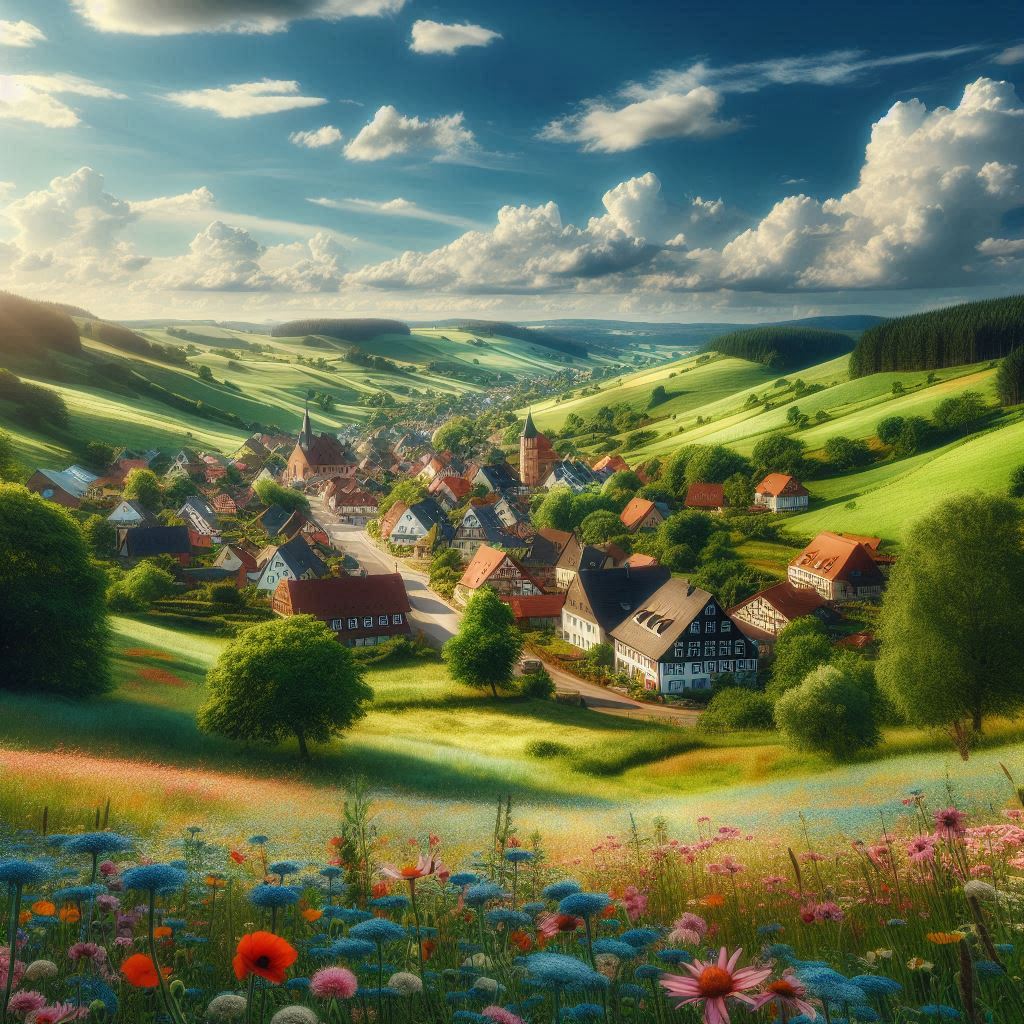
“We are the people of Lower Saxony, storm-proof and rooted in the earth.” – Niedersachsenlied
These powerful words, drawn from the “Niedersachsenlied” (Song of Lower Saxony)1, encapsulate the indomitable spirit and deep connection of the region’s people to their land. This regional anthem reflects pride, resilience, and an enduring bond with the natural beauty and history of Lower Saxony. From its windswept coasts along the North Sea to the verdant meadows and rich forests, the song celebrates the unique identity of Lower Saxony as both a historic and cultural heartland.
Early History: The Saxons
Lower Saxony’s history begins with the Saxons, a Germanic tribe known for their fierce independence during the early Middle Ages. Their resistance to Charlemagne’s campaigns in the 8th century symbolizes their determination—a trait reflected in the Niedersachsenlied itself. Over time, the region became part of the Holy Roman Empire, playing an important role in trade and cultural exchange.
The Rise of Hanover
The modern foundations of Lower Saxony can be traced back to the 17th and 18th centuries when the Electorate of Brunswick-Lüneburg, better known as Hanover, rose to prominence. In 1714, the Elector of Hanover ascended to the British throne as King George I, intertwining Hanoverian and British history for over a century.
The Kingdom of Hanover
In the 19th century, the Kingdom of Hanover became a key player in European politics. However, after siding with Austria during the Austro-Prussian War of 1866, it was annexed by Prussia. This annexation brought significant changes, with Hanover losing its autonomy and being absorbed into the Prussian state.
The Formation of Lower Saxony
Following World War II, the current state of Lower Saxony was established in 1946 under British occupation. It was formed by merging the former Prussian province of Hanover with the smaller states of Braunschweig, Oldenburg, and Schaumburg-Lippe.2 The creation of Lower Saxony reflected the need for administrative restructuring in the wake of the war and aimed to foster unity in the region.
Natural Beauty and Heritage Today
Today, Lower Saxony is celebrated for its rich history and stunning natural landscapes.
 OFB index