Erased by Time, Remembered Forever
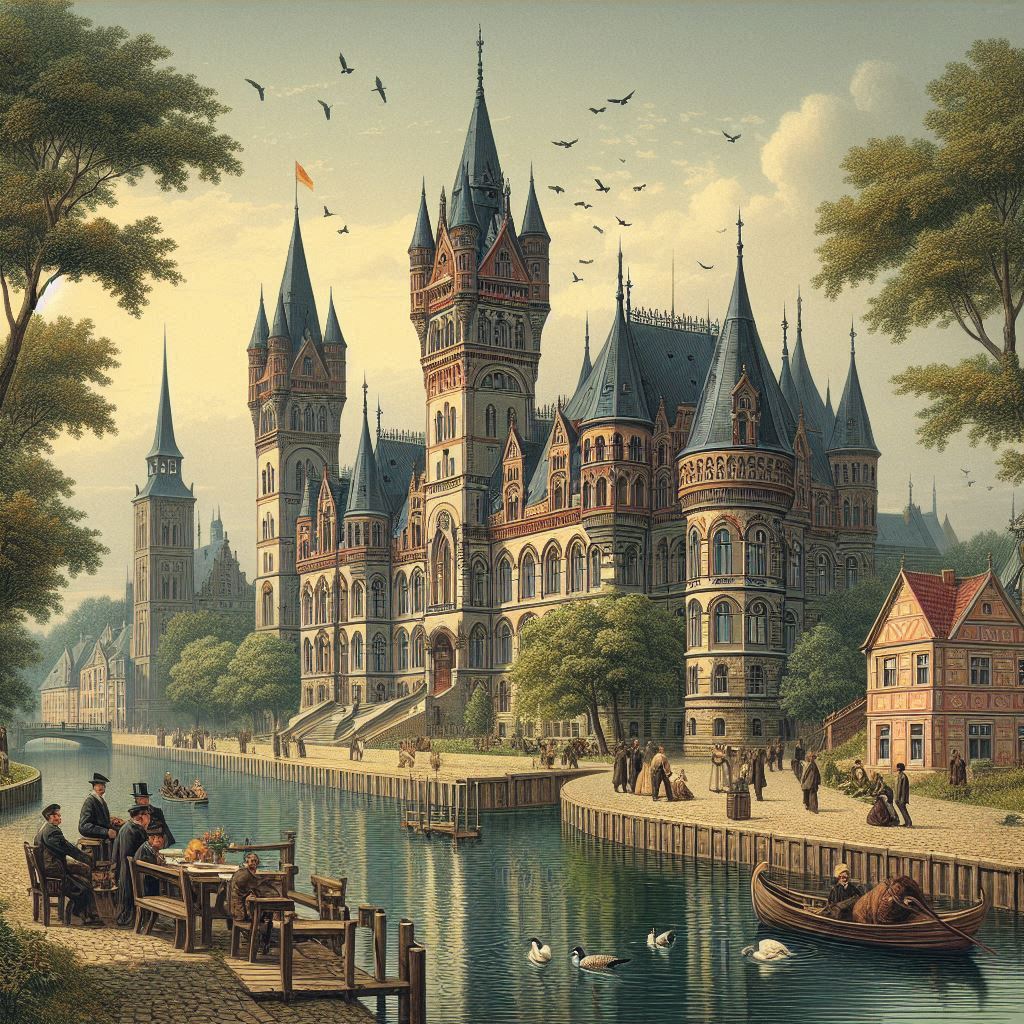
“The fate of East Prussia highlights the fragility of borders and the enduring impact of history on its people.” – Norman Davies
Norman Davies, a renowned historian of Europe, once captured the essence of East Prussia as a region marked by a unique blend of cultural richness and historical turbulence. Nestled between the Baltic Sea and neighboring powers, East Prussia’s story unfolds in a succession of pivotal moments that reflect its rise, fall, and enduring legacy.
East Prussia’s journey is one of resilience and transformation, leaving an enduring mark on European history. From its origins under the Teutonic Order to its rich legacy, the region embodies cultural and historical depth.
Dive deeper into the fascinating history of East Prussia and uncover tools to trace your ancestral roots.
The Birth of East Prussia
East Prussia traces its origins back to the early 13th century, when the Teutonic Order began its conquest of the region in 1226. Known for its strategic location along the Baltic Sea, the area quickly evolved from a sparsely populated landscape to a center of military and cultural significance. In 1255, the Teutonic Knights founded Königsberg, which later became a prominent hub of administration and culture.
By 1525, the region underwent a significant transformation, transitioning from a monastic state under the Teutonic Order to the secular Duchy of Prussia. This marked the beginning of a new era in which East Prussia would play a key role in the political and intellectual developments of Europe.
A Center of Power: The Prussian and Imperial Eras
East Prussia’s prominence grew further in 1618 with its dynastic union with Brandenburg, laying the foundation for the creation of the powerful state of Prussia. This union positioned the region at the crossroads of European politics and economics, fostering growth and cultural exchange.
The Napoleonic Wars of the early 19th century brought challenges to East Prussia, yet its resilience helped it recover and adapt. By 1871, East Prussia became an integral part of the newly formed German Empire, solidifying its place in a unified German nation. Its cities, industries, and cultural institutions flourished, reflecting the region’s vitality and importance.
Trial and Transformation: The 20th Century
The 20th century brought both prosperity and upheaval to East Prussia. World War I (1914–1918) reshaped the geopolitical landscape, altering the region’s boundaries and leaving deep social and economic impacts. The interwar years saw efforts to modernize and rebuild, but these were overshadowed by the onset of World War II.
During World War II (1939–1945), East Prussia endured immense devastation. The war’s conclusion brought about the dissolution of the region, with its territory divided among neighboring countries. Königsberg, its historical capital, was renamed Kaliningrad and became part of the Soviet Union, marking the end of East Prussia as a distinct entity.
East Prussia Now
Although East Prussia no longer exists as a political entity, its rich cultural and historical legacy endures. The region’s unique blend of traditions, architecture, and art continues to influence the areas that once formed its borders. The stories of its resilience and transformation are preserved in historical accounts, archives, and personal narratives passed down through generations.
 OFB index