A Region of Timeless Beauty
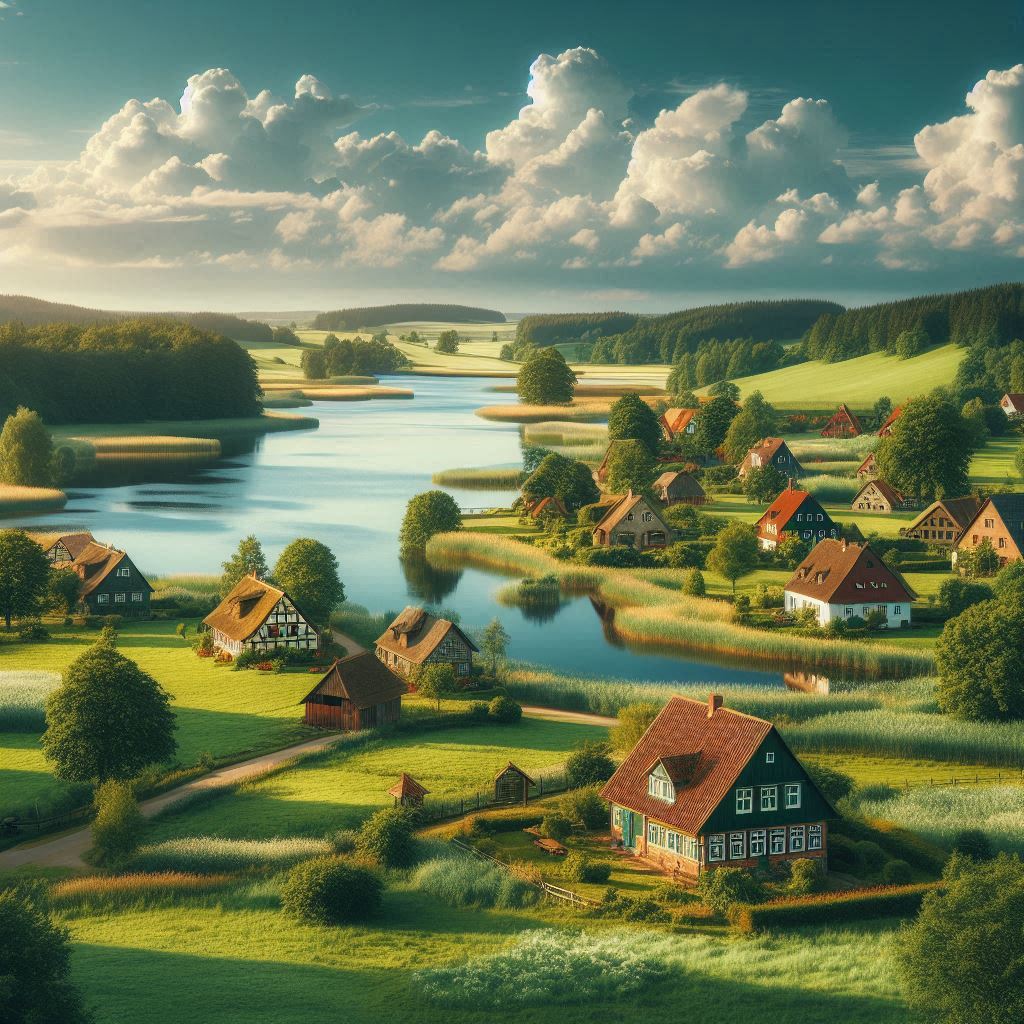
“The beauty of Mecklenburg-Western Pomerania lies in its untouched nature and serene landscapes.” — Unknown
Nestled in northeastern Germany, Mecklenburg-Western Pomerania captivates with its unspoiled coastlines, tranquil lakes, and lush forests. The region’s commitment to conservation is evident in its numerous national parks and nature reserves, such as the Western Pomerania Lagoon Area National Park, a sanctuary for diverse wildlife. Whether exploring historic Hanseatic towns or the peaceful countryside, visitors are immersed in a landscape where nature’s beauty remains pristine and serenity prevails.
Formation of Mecklenburg-Western Pomerania
After the decline of the Roman Empire, Germanic tribes, including the Lombards and later the Slavs, settled in the area that would become Mecklenburg-Western Pomerania. By the early Middle Ages, the Duchy of Mecklenburg emerged as an influential political entity, uniting various territories under the rule of local noble families. This era marked the consolidation of the region’s unique cultural and historical identity.
Mecklenburg-Western Pomerania in the Holy Roman Empire
During the Middle Ages, Mecklenburg-Western Pomerania played an important role within the Holy Roman Empire. The region experienced periods of territorial fragmentation and reunification, shaped by dynastic alliances and conflicts. Significant cities like Rostock and Stralsund emerged during this time, bolstering the region’s economic and cultural influence within the empire.
Modernization and State Formation
In the 19th century, Mecklenburg-Western Pomerania underwent significant transformation as part of the German Confederation and later the German Empire. The industrialization of coastal cities and rural modernization brought economic growth to the region. Following World War II, Mecklenburg-Western Pomerania was established as a state within East Germany, undergoing further societal and political changes during the socialist period.
Mecklenburg-Western Pomerania in the 20th Century
The 20th century brought profound changes to the region. After the reunification of Germany in 1990, Mecklenburg-Western Pomerania became a federal state of modern Germany. This era saw significant economic revitalization and efforts to preserve the region’s cultural and natural heritage. Today, Mecklenburg-Western Pomerania thrives as a destination celebrated for its serene landscapes, vibrant history, and resilient spirit.
 OFB index