The Timeless Land by the Baltic
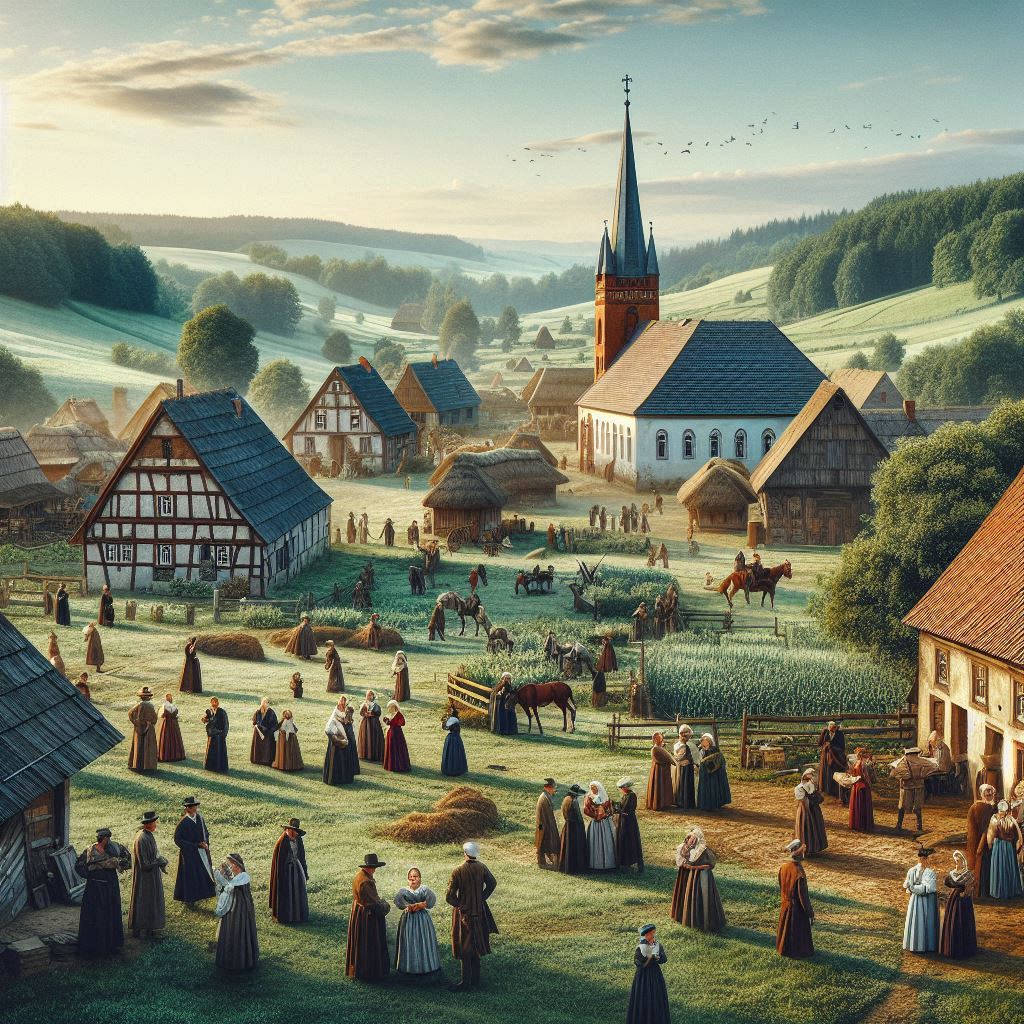
“White sails fly upon the blue sea, White gulls balance in the blue heights, Blue forests crown the white sand dunes; Pomerania, my longing is directed to you.” – Pommernlied
These poetic lines from the beloved anthem of Pomerania encapsulate the timeless charm and profound legacy of Pomerania, a land where natural beauty intertwines with history’s deep roots. Nestled along the Baltic Sea, Pomerania has long stood as a gateway between cultures and civilizations, shaped by centuries of trade, migration, and political upheavals. Once a proud duchy ruled by the Griffin dynasty and later a pivotal region in the Prussian empire, Pomerania’s story is one of resilience and transformation. Its legacy endures in the breathtaking landscapes, cultural traditions, and the enduring spirit of those who trace their roots to this cherished land.
The Roots of Pomerania
Pomerania’s history stretches back to medieval times, a period when the region was home to the Baltic Prussian tribes. Positioned along the amber-rich coastline of the Baltic Sea, it naturally evolved into a hub for European trade and cultural exchange. The arrival of the Teutonic Knights in the 13th century reshaped the region, introducing sweeping cultural and territorial transformations that would define Pomerania as a vibrant center of commerce and governance,
Pomerania under the Rule of the Teutonic Order
During the late Middle Ages, the Teutonic Order rose to power in Pomerania, bringing with them military might and religious influence. Cities such as Königsberg were established as critical centers for trade, education, and administration, anchoring the region as a nexus of cultural interaction. The proximity to Poland and Lithuania further enriched Pomerania’s heritage, fostering a complex tapestry of influences that endures in its legacy.
Integration into the Duchy of Prussia
By the 16th century, Pomerania transitioned to secular rule as it became the Duchy of Pomerania. This new era was marked by an economic blossoming, with agriculture and trade flourishing alongside the spread of the Protestant Reformation. Königsberg emerged not only as a trade hub but also as a renowned intellectual center, shaping the region’s cultural prominence with the contributions of thinkers like Immanuel Kant.
Pomerania in the 19th Century
The industrial revolution brought dramatic changes to Pomerania throughout the 19th century. Railways began connecting the region to global markets, spurring modernization and economic growth. Yet, amidst this transformation, Pomerania retained its deep traditions, enchanting visitors with its amber shores and idyllic landscapes, which inspired artists and writers alike.
The Loss of Pomerania
The 20th century marked a turbulent chapter in Pomerania’s history, with the devastation of two world wars leaving lasting scars on the region. Its strategic location made it a contested battleground, culminating in significant losses. The aftermath of World War II saw Pomerania’s partitioning, with its territory divided between Poland, Russia, and Lithuania. The displacement of its communities signified the end of an era, yet its legacy remains imprinted in the cultural fabric of the region.
Echoes of Pomerania’s Heritage
Though Pomerania no longer exists in its historical form, its cultural and historical significance is far from forgotten. The legacy of its amber trade, architectural marvels, and the indomitable spirit of its people live on. Today, efforts to preserve its heritage flourish as historians and descendants piece together the stories of this remarkable region.
 OFB index