Where the Rhine Connects Past and Present
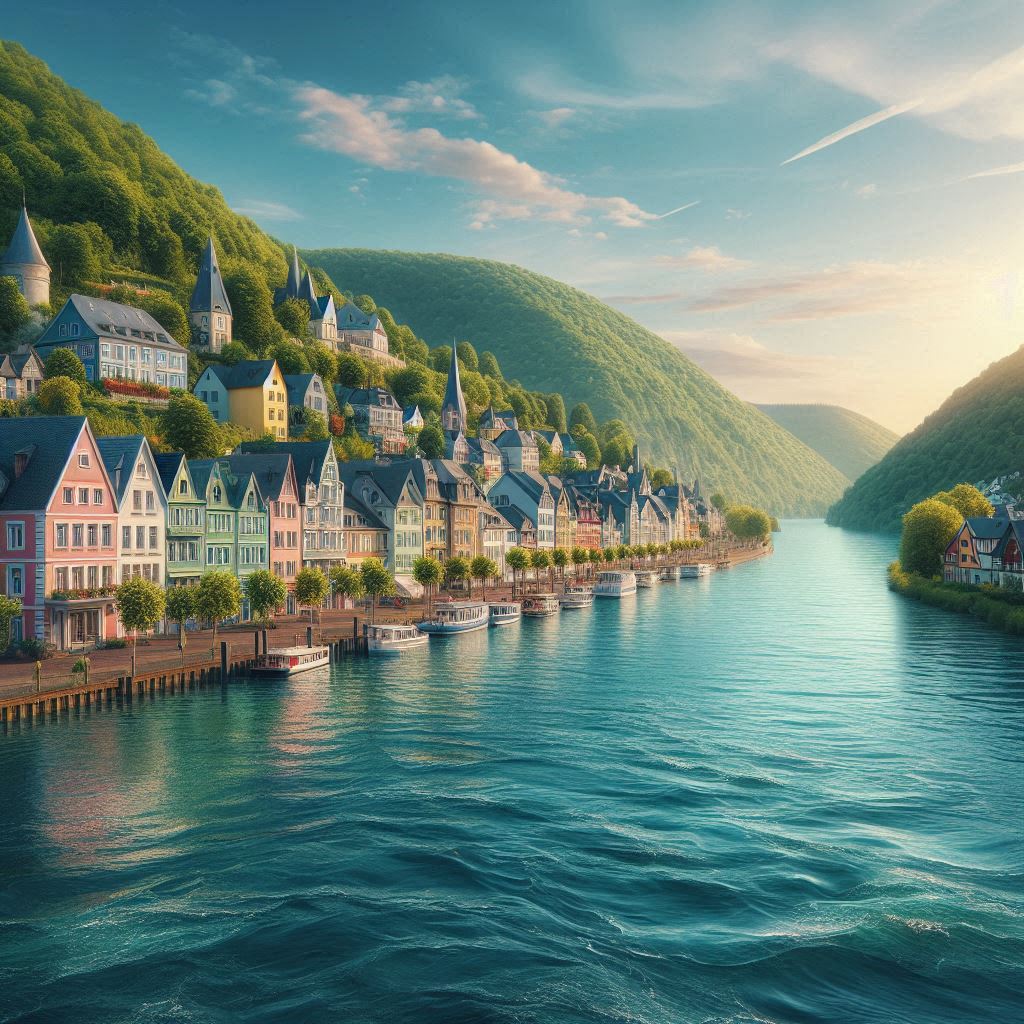
“Beneath me flows the Rhine, and, like the stream of Time, it flows amid the ruins of the Past.” — Henry Wadsworth
Flowing through the heart of Rhineland-Palatinate, the Rhine has long been more than just a river—it is a witness to centuries of history and a lifeline for generations. As Henry Wadsworth Longfellow once celebrated the beauty of this region, the Rhine symbolizes the enduring spirit of the land. From Roman settlements to medieval castles, this area narrates a tale of resilience and cultural heritage.
Tracing your genealogy in Rhineland-Palatinate unveils stories interwoven with the vineyards, villages, and waterways that shape identities. Each lineage, whether traders, artisans, or vintners, contributes to the rich and unique tapestry of history in the region.
Ancient Settlements and Roman Influence
Before becoming a key territory of the Holy Roman Empire, Rhineland-Palatinate was home to Celtic and Germanic tribes, who shaped early settlements. By the first century AD, the Romans arrived, establishing fortresses, roads, and cities that would serve as vital centers for trade and military control. Trier, one of Germany’s oldest cities, became a major hub under Roman rule, its grand baths, bridges, and amphitheaters still standing as testaments to this era.
Medieval Power Struggles and Electoral Influence
During the Middle Ages, Rhineland-Palatinate became a political stronghold, particularly through the Electorate of the Palatinate, one of the most influential territories of the Holy Roman Empire. The rulers played a crucial role in shaping imperial policy, while castles and fortresses—such as Marksburg and Cochem Castle—secured power and protected trade routes. The Thirty Years’ War (1618–1648) devastated the land, but the region’s ability to rebuild ensured its cultural and economic revival.
A Land of Wine, Art, and Industry
By the 18th and 19th centuries, Rhineland-Palatinate was thriving as a center for wine production, craftsmanship, and intellectual growth. Vineyards flourished, producing world-renowned Riesling, while cities like Mainz, Speyer, and Worms became hubs for scholars, writers, and religious reformers. The 20th century brought further transformation—World War II, industrial expansion, and reunification—ultimately shaping the modern federal state we see today.
Natural Beauty and Heritage Today
Today, Rhineland-Palatinate offers stunning landscapes, from the rolling vineyards of the Mosel Valley to the forested peaks of the Eifel and Hunsrück. Its cities, castles, and waterways tell the stories of past civilizations, welcoming explorers and historians alike.
 OFB index